What Respirator Masks Are Best for Blown-In Insulation?
Blown-in insulation is efficient-but airborne insulation fibers are a serious respiratory hazard if you choose the wrong respirator mask. Fiberglass, cellulose, and mineral wool release fine particulate matter that remains suspended in the air long after installation begins.
Most of these particles fall within the 0.5–5 micron range, small enough to bypass basic face coverings and lodge deep in the lungs. Over time, exposure can lead to chronic irritation, reduced lung function, or aggravated asthma-particularly during attic or crawl-space installations.
This is not a comfort issue. It is a respiratory protection issue, and it requires the correct NIOSH-approved respirator mask, not a generic dust covering.

Why Basic Masks Fail-and Respirator Masks Succeed
A common mistake among DIY users is assuming that any face covering labeled "dust mask" offers adequate protection. In reality:
Standard dust masks are designed for nuisance particles larger than 10 microns.
Blown-in insulation fibers are significantly smaller and often irregularly shaped, allowing them to penetrate loose filter media.
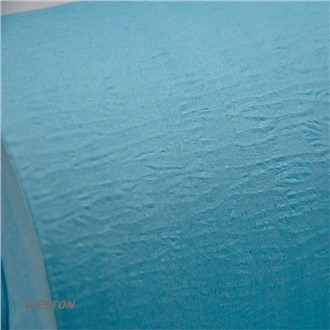
A true respirator mask uses engineered filtration layers-most critically, melt blown nonwoven media-to capture fine particulate matter through both mechanical interception and electrostatic attraction.
This distinction is why regulatory agencies differentiate between masks and respirators.
Minimum Respirator Mask Requirements for Insulation Work
When selecting respirator masks for blown-in insulation, four technical criteria matter more than brand names.
1. Filtration Rating (N95 Is the Baseline)
N95 respirator masks filter at least 95% of non-oil-based airborne particles.
R95 or P95 respirator masks offer additional protection when oil-based binders or additives are present.
For most residential insulation projects, an N95 particulate respirator mask is the minimum acceptable standard.
Avoid uncertified alternatives. A respirator mask without a NIOSH approval number does not meet U.S. safety requirements-regardless of appearance.
2. Fit and Seal Integrity
A respirator mask only functions correctly when it forms a tight seal around the nose and mouth. Even high-grade filters fail if air bypasses the seal.
Best practices:
Choose cup-style respirator masks for better facial conformity.
Use dual head straps, not ear loops.
Perform a user seal check before entering the work area.
A poorly fitting respirator mask provides less protection than a lower-rated mask that seals correctly.
3. Comfort Determines Compliance
Insulation installation often lasts several hours. Discomfort leads to adjustment, removal, or improper use-nullifying protection.
Features that improve real-world compliance:
Exhalation valves to reduce heat buildup
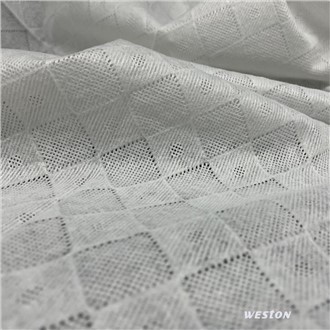
Soft inner linings made from hydroentangled (spunlace) nonwoven fabric
Non-abrasive nose foams and stable strap tension
Professional respirator masks increasingly integrate comfort layers not for luxury, but to ensure continuous use.
4. Disposable vs Reusable Respirator Masks
Disposable respirator masks
Best for short-term or one-off insulation jobs
Lower upfront cost
Limited lifespan in dusty environments
Reusable half-mask respirators
Designed for frequent or professional use
Compatible with P100 particulate filters
Better long-term seal and lower cost per job
Selecting between them depends on exposure duration-not just price.
Recommended Respirator Masks by Use Case
Occasional DIY Insulation Projects
NIOSH-approved N95 disposable respirator masks
Cup-style construction with nose foam
Replace once breathing resistance increases
Frequent or Professional Installation
Reusable half-mask respirators with P100 particulate filters
Suitable for fiberglass, cellulose, and mineral wool
Washable facepiece for long-term hygiene
High-Risk or Legacy Insulation (Pre-1980 Buildings)
Full-face respirator masks with P100 filters
Eye and respiratory protection combined
Professional testing strongly advised

Why Filtration Media Quality Matters More Than the Label
Not all respirator masks perform equally-even within the same rating category.
The filtration efficiency of a respirator mask depends heavily on:
Melt blown fiber diameter consistency
Charge retention in electrostatic layers
Structural bonding between layers
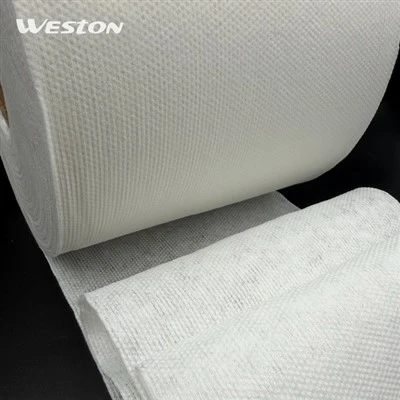
Manufacturers sourcing certified melt blown nonwoven and hydroentangled comfort layers achieve more stable, repeatable performance across production batches.
This is where upstream material suppliers-such as Weston Nonwoven-play a foundational role, supplying filtration and comfort materials that meet NIOSH-level performance requirements for respirator masks used in demanding environments.
Final Takeaway: Choose Respirator Masks, Not Shortcuts
Blown-in insulation saves energy-but only when paired with proper respiratory protection.
Dust masks are inadequate.
Certified respirator masks are essential.
Fit, filtration, and material quality determine real protection.
Whether you are a homeowner completing a single attic upgrade or a contractor performing insulation work daily, the right respirator mask is not optional-it is basic risk management.
Your lungs do not recover as easily as insulation costs do.