Is Purple Spunlace Nonwoven Colorfast in Wet Wipes?
A straight-talking guide from fiber to finished wipe - no hype, just science.
You pull a purple wet wipe from the pack, unfold it, and press it against your face or your child's hand. It feels soft, smells clean, and does its job. But somewhere in the back of your mind, a quiet question surfaces: is that purple color actually staying on the fabric, or is some of it ending up on my skin?
It's a fair question - and a more important one than most people realize. Colored nonwoven fabrics have become a normal part of daily life, from kitchen rolls to baby wipes to facial cleansing pads. Yet the colorfastness of these materials rarely gets a straight, science-based answer in plain language. Marketing says "safe and gentle." But what does the factory floor actually say?
This article gives you the honest, grounded version.
What Is Spunlace Nonwoven, and Why Does the Structure Matter?
Before we talk color, let's talk fabric - because the two are inseparable.
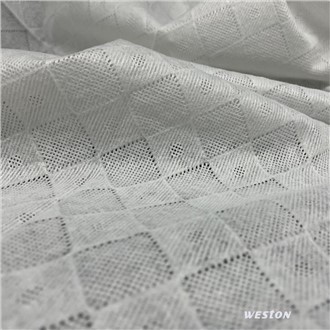
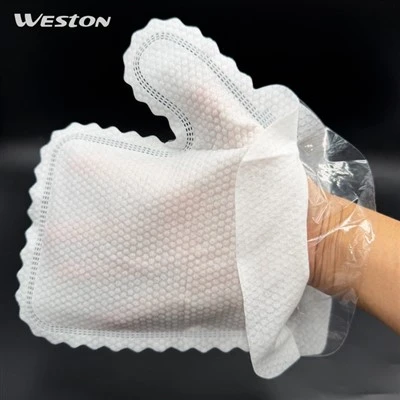
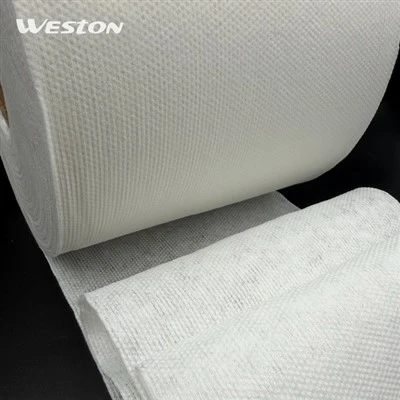
Spunlace nonwoven is made by shooting high-pressure water jets through a web of fibers. The water physically entangles the fibers together without any chemical glues or binders. The result is a soft, flexible fabric that feels almost textile-like - which is exactly why it works so well in wet wipes and cleaning products.
But here's the structural reality that matters for our color conversation: spunlace fabric is open and absorbent by design. The fibers are loosely interlocked, not sealed. That means any liquid - including the wipe solution inside the package - can move through the fabric freely. If the dye inside those fibers isn't properly locked in, that same mobility that makes spunlace great at absorbing things will also help it absorb dye right out of itself.
The raw materials used to make wet wipe-grade spunlace include:
100% Viscose - the industry workhorse, soft and highly absorbent
Bamboo fiber - naturally antibacterial, popular in skin-care wipes
100% Cotton - durable, gentle, trusted for sensitive applications
Lyocell (TENCEL™-type) - smooth, low-lint, and made from a closed-loop process
PLA (polylactic acid) - plant-derived, biodegradable, growing in eco-product lines
Each of these fibers holds and releases dye differently. That difference is where the colorfastness story really begins.
How Does Purple Color Get Into Spunlace Fabric?
Most people assume the purple is just... there. Applied somehow. The reality involves a few distinct methods, and each one has a very different colorfastness outcome.
Fiber-stage dyeing is when the raw fiber itself is colored before the fabric is even formed. The dye bonds directly to the molecular structure of each individual fiber. This is the most stable approach for wet applications because the color is locked in at the deepest level - not sitting on the surface.
Fabric-stage dyeing happens after the spunlace roll is produced. The finished fabric goes through a dye bath, and the dye penetrates through the fabric from the outside in. Done correctly with proper fixation, this can achieve solid colorfastness. Done quickly or cheaply, it leaves dye molecules that haven't fully bonded - and those are the ones that end up migrating into wipe liquid or onto your skin.
Surface printing is exactly what it sounds like: color applied on top. This is the least stable method for any wet application. It looks clean and bright on a dry roll, but in a moist environment, surface-printed color has the shortest lifespan and the highest risk of transfer.
Now, purple specifically brings an extra layer of complexity. Purple is rarely a single dye - it's almost always a blend of red and blue colorants. The problem is that red and blue dyes often have different chemical structures, different molecular weights, and different bonding strengths to the fiber. They can wash off at different rates. What that means in practice: a purple wipe that seems stable might gradually shift color in the package, or transfer unevenly when rubbed on a surface.
The type of dye used matters enormously here. Reactive dyes form a covalent bond with natural cellulosic fibers like cotton, viscose, and bamboo - they're the gold standard for colorfastness in plant-based nonwovens. Vat dyes are exceptionally stable and are often used for high-durability applications. Disperse dyes are designed for synthetic fibers and generally don't bond well to natural fibers at all - using them on viscose or cotton is a shortcut that usually ends badly in wet conditions.
What "Colorfast" Actually Means for a Wet Wipe
Colorfastness in wet wipes is not just about whether you can see color bleeding with your naked eye. It's a measured, standardized property - and the bar is higher than most people expect.
There are three dimensions that genuinely matter in this application:
Wet rubbing fastness is tested under ISO 105-X12 (internationally) or GB/T 3920 (China's national standard). A test specimen is rubbed with a damp white cloth under controlled pressure for a set number of strokes. The color transferred to the white cloth is then graded on a 1–5 scale, where 1 means heavy transfer and 5 means none. For any wipe that touches skin, Grade 3 is the acceptable minimum. Grade 4 or above is what a responsible manufacturer should be targeting.
Dye migration in solution is less commonly tested but arguably more relevant for wet wipes specifically. This measures whether the dye leaches out of the fabric and into the liquid it's stored in over time. A wipe sitting in its package for 12–18 months has a long time to release poorly fixed dye into the preservative-and-surfactant solution surrounding it.
Skin contact safety is the standard that tightens everything else. Residual dye on skin - even in very small amounts - becomes a concern for sensitization, especially in products marketed for babies, intimate hygiene, or daily facial use. This is where certifications like Oeko-Tex Standard 100 become genuinely useful rather than just a label - they restrict specific dye chemicals, including carcinogenic AZO dyes and heavy-metal-based colorants, by actual test result.
The uncomfortable truth: many colored nonwoven products on the market have never been tested against any of these standards. The color looks fine in a dry showroom sample. The problems only show up in the wet environment - which is exactly where the customer is using it.
The Part Nobody Talks About: Your Wipe Liquid Changes Everything
Here's an insight that even experienced wipe formulators sometimes overlook: the liquid inside the package is not a neutral observer. It's an active participant in the colorfastness equation.
Wet wipes are not just water. A typical formulation includes preservatives (like phenoxyethanol or sodium benzoate), surfactants (to clean), humectants (like glycerin, to keep skin moist), and pH adjusters. The resulting solution can range from mildly acidic to mildly alkaline depending on the product type.
Alkaline conditions accelerate dye hydrolysis in reactive-dyed cellulosic fabrics. That means a purple viscose wipe with perfectly adequate colorfastness in neutral water might bleed measurably in a wipe solution buffered to pH 8.
Alcohol-based wipes - think hand sanitizing wipes or surface disinfectant wipes - are even more aggressive. Alcohol is a powerful solvent. Surface-printed or poorly fixed dyes in an alcohol-based wipe have a very short window before they start coming loose.
The practical implication: a colored spunlace fabric should always be colorfastness-tested in the actual wipe formula it will be used with - not just in distilled water. This is standard practice at a serious manufacturing level, but it's frequently skipped in fast-turnaround, low-cost production.

Fiber Choice Changes Everything: A Practical Comparison
The fiber you choose is arguably the single biggest variable in whether colored spunlace will perform in a wet wipe. Here's a grounded comparison:
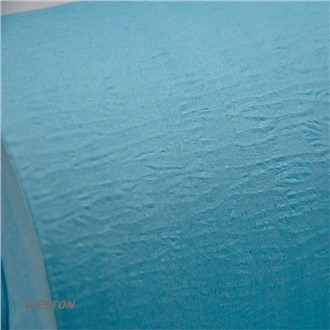
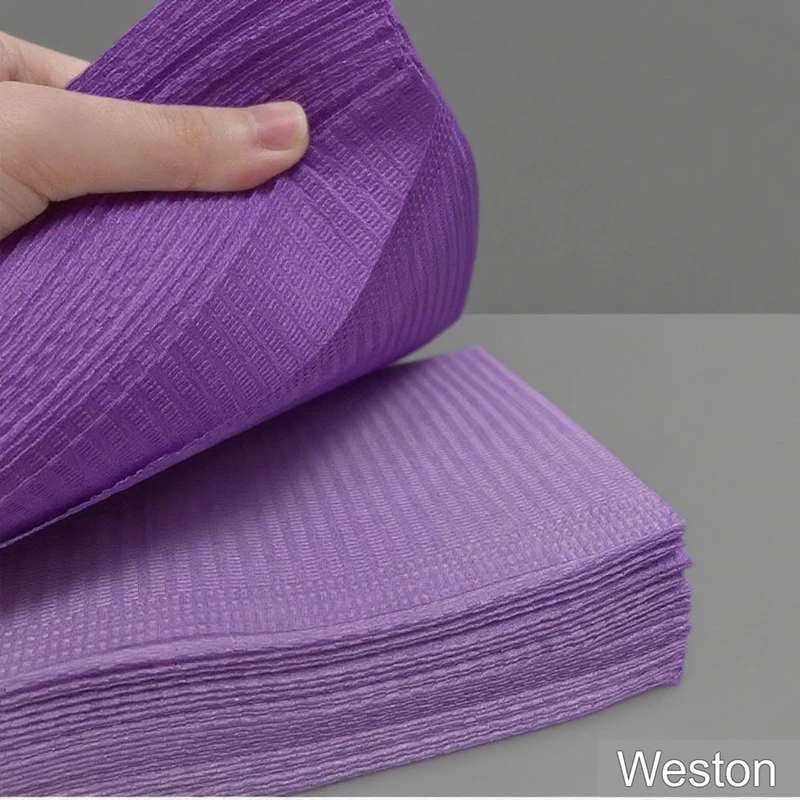
100% Viscose has a strong natural affinity for reactive and vat dyes. Properly dyed and fixed viscose can achieve good to excellent colorfastness. It's the most widely used base material in the industry for exactly this reason - predictable, workable, cost-effective. Weston's Purple Spunlace Nonwoven Fabric Rolls use high-quality viscose as a primary substrate precisely because of this reliable dye uptake.
Bamboo fiber behaves similarly to viscose from a dyeing perspective - both are regenerated cellulosic fibers. Bamboo has the added benefit of natural softness and a gentle reputation in the market, making it a popular choice for colored wipes in baby and personal care categories.
100% Cotton has the strongest and most stable dye bonding of the natural fibers. Cotton wipes dyed with reactive dyes and properly washed can achieve Grade 4–5 wet rubbing fastness consistently. The trade-off is cost - cotton spunlace is more expensive to produce than viscose-based alternatives.
Lyocell is smooth, produces low lint, and accepts reactive dyes well. It's an excellent choice for colored facial wipes where lint is a problem and skin contact is intensive.
PLA is the challenging outlier. PLA is hydrophobic (water-repelling) and has low dye affinity with conventional reactive or vat dyes. Coloring PLA typically requires disperse dyes applied under heat and pressure - a more complex process, and one that doesn't always deliver consistent results in a wet environment. For brands committed to fully biodegradable materials, PLA can still be colored, but it requires a manufacturer with specific experience in that chemistry.
The broader takeaway is positive: plant-based and regenerated cellulosic fibers - viscose, bamboo, cotton, lyocell - are actually easier to dye stably and safely than most synthetic alternatives. Nature gave these fibers the molecular hooks that dyes need to grab onto. The challenge isn't the fiber; it's whether the manufacturer takes the dyeing process seriously enough to use that natural advantage properly.
What a Responsible Factory Actually Controls
This is where manufacturing philosophy meets real product safety - and where the gap between good producers and mediocre ones becomes visible.
At Weston Nonwoven, with over 20 years of spunlace production experience, color management is a multi-stage process, not an afterthought.
Dye selection starts with certification. Only dyes that comply with Oeko-Tex Standard 100 restrictions are used - no AZO dyes that can decompose to carcinogenic aromatic amines, no heavy-metal-based pigments, no formaldehyde carriers. This isn't a marketing position; it's a purchasing rule enforced at the material sourcing stage.
Dye fixation is where most corners get cut in lower-cost production. After dyeing, fabric must go through proper soaping (to remove unfixed dye from the fiber surface), rinsing, and often a fixative treatment to chemically lock the remaining dye in place. Rushing this step saves time and chemicals - and leaves residual loose dye in the fabric that will migrate the moment it hits a wet environment.
Quality control means batch-by-batch wet rubbing tests before any roll leaves the production floor. Not random sampling. Not occasional checks. Every batch that carries a color specification gets verified.
Red flags to watch for when you're sourcing colored nonwoven from any supplier: no test reports available on request, pricing that seems too low to support proper dye and fixation chemistry, vague answers about which dye class is used, or certifications that apply to the raw fiber but not to the finished dyed product.
It's also worth mentioning that responsible color application extends beyond technical safety. Products like Light Pink Spunlace Nonwoven For Home Cleaning demonstrate that color can serve a practical function - color-coding different wipes for different surfaces reduces cross-contamination in home and professional cleaning environments - without requiring dyes that compromise safety or environmental standards.
How to Evaluate a Colored Spunlace Wipe: A Practical Guide
If you're a brand manager, product developer, or procurement professional:
Ask every supplier for ISO 105-X12 wet rubbing test reports, and look for Grade 3 minimum, Grade 4 preferred. Ask specifically what liquid the test was conducted in - water, or something representative of the actual wipe formula. Request Oeko-Tex Standard 100 certification for the complete dyed fabric, not just the base fiber. Ask directly whether the fabric is fiber-dyed, fabric-dyed, or surface-printed. For any wet application, push toward fiber-dyed or properly fixed fabric-dyed - surface-printed is a risk you don't need to take.
If you're an end consumer and want a quick reality check:
Take a damp white cotton cloth and rub it firmly on the wet wipe ten times. Lay it flat and look. Any visible color on the white cloth is a signal that the colorfastness is below what it should be for a product making skin contact. For baby wipes, intimate wipes, or any product used around the face, this quick test is worth doing before committing to a large purchase.
Color and Sustainability: The Bigger Picture
There's a growing and legitimate tension in the nonwoven industry between the desire for visually appealing, color-differentiated products and the commitment to environmental responsibility.
The good news is that these goals are not actually in conflict - if the manufacturing approach is thoughtful. Plant-based fibers (viscose, bamboo, cotton, lyocell) dyed with certified reactive or vat dyes and processed without prohibited chemicals produce colored wipes that are both safe on skin and produced without the toxic residues associated with synthetic fiber dyeing.
There's also genuine development happening in the direction of plant-derived colorants - natural indigo, madder-derived reds, and other bio-based pigments applied to textile-grade substrates. It's early-stage technology for nonwoven applications, but it points in an interesting direction for brands that want to take their sustainability story all the way down to the color.
The core principle holds regardless of where you sit on the technology curve: color is a feature, not a hazard - but only when the manufacturer treats the dyeing process with the same rigor they apply to fiber selection and fabric construction.
The Straight Answer
So: is purple spunlace nonwoven colorfast in wet wipes?
Yes - when the right dye type is matched to the right fiber, applied with proper fixation chemistry, tested in conditions representative of actual use, and verified by independent standards.
No - when color is treated as a surface decoration rather than an engineered property, when fixation steps are rushed, or when no wet-condition testing has been done at all.
The color you see on a dry fabric roll tells you almost nothing about what that color will do in a wet wipe. What tells you something real is the test data, the dye certification, and the production discipline behind it.
That's not a complicated idea. It just requires asking the right questions - and working with suppliers who can answer them with documentation rather than reassurance.
About Weston Nonwoven
Weston Nonwoven has been producing spunlace nonwoven fabrics for over 20 years. Our material range covers 100% viscose, bamboo fiber, 100% cotton, lyocell, and PLA - all available with hydrophilic finishes and soft-touch surface treatments suited to single-use or durable wet wipe and cleaning product applications.
Colored fabrics, including custom shades for kitchen wipes, personal care wipes, and household cleaning products, are produced under Oeko-Tex compliant dye systems with batch-level wet rubbing fastness verification. If you have a color requirement, we'll show you the test data first - then talk about the product.
Interested in colored spunlace for your next wipe product? Contact Weston Nonwoven to request fabric samples and test reports.