The Strongest Natural Plant Fiber: Unveiling Nature's Ultimate Reinforcement
For professional buyers seeking sustainable, high-performance materials, natural plant fibers represent a frontier of innovation and practicality. Determining the strongest natural plant fiber is not merely a question of tensile strength but involves an inquiry into structure, processing, and application potential. This article delves into the scientific, industrial, and environmental aspects of natural plant fibers, highlighting their role as viable, eco-friendly alternatives to synthetic composites. We explore the factors that contribute to their strength, their diverse applications, and the future trends shaping this dynamic market. As a leader in nonwoven technology, Weston Nonwoven exemplifies how these fibers are transformed into advanced materials for various industries, offering products like 100% Natural Plant Fiber Masks and Bamboo Charcoal Spunlace fabrics.

The Contenders for the Strongest Natural Plant Fiber
Natural plant fibers are derived from various parts of plants, including stems, leaves, seeds, and fruits. Their mechanical properties vary significantly based on their biological structure and chemical composition. The primary fibers noted for their strength include:
Flax: Known for its high tensile strength and low extensibility, flax is often considered one of the strongest natural fibers. Its crystalline cellulose structure contributes to its robustness, making it ideal for composite reinforcements.
Hemp: Similar to flax in strength, hemp offers additional benefits such as mildew resistance and durability. It is widely used in textiles and automotive composites.
Jute: With high tensile strength and modulus, jute is a cost-effective option for packaging and construction materials. Its cellulose-rich composition enhances its load-bearing capacity.
Sisal: Leaf-derived sisal fiber exhibits high toughness and impact resistance, suitable for heavy-duty applications like rope and agricultural products.
Ramie: Often overlooked, ramie boasts exceptional strength and durability, though its brittleness requires careful processing.
Among these, flax is frequently cited as the strongest in terms of specific strength (strength-to-weight ratio), outperforming others with tensile strengths ranging from 800 MPa to 1,500 MPa under optimal conditions. However, the title of "strongest" is context-dependent. For instance, bamboo fiber-a grass-based material-has gained attention for its remarkable strength and flexibility, with studies showing its composite applications rivaling synthetic materials in specific scenarios.
The Science Behind Fiber Strength
The strength of plant fibers stems from their hierarchical structure, primarily consisting of cellulose microfibrils embedded in a matrix of hemicellulose and lignin. The secondary cell wall layer (S2) is critical for mechanical performance, where the orientation and crystallinity of cellulose chains determine tensile strength and stiffness. Factors influencing strength include:
Cellulose Content: Higher cellulose content (e.g., 70–80% in flax) correlates with greater strength.
Microfibril Angle: A lower angle (e.g., 10° in flax) enhances strength and rigidity, while a higher angle (e.g., 30° in sisal) increases flexibility.
Extraction and Processing: Methods like retting (natural fermentation) and decortication (mechanical separation) impact fiber quality. Alkali treatment and other chemical processes can further enhance strength by removing impurities and improving matrix adhesion.
Natural fibers also exhibit nonlinear hardening behavior when stretched, attributed to their fiber network structure. This allows them to absorb energy and resist deformation, making them suitable for high-impact applications.
Advantages of Natural Plant Fibers
The shift toward natural fibers is driven by their multifaceted benefits:
Sustainability: Sourced from renewable resources, these fibers are biodegradable and contribute to a circular economy. Their production often generates lower carbon emissions compared to synthetic alternatives.
Economic Viability: Cost-effective cultivation and processing support rural economies and reduce reliance on petroleum-based products.
Technical Performance: Low density, high specific strength, and excellent elasticity make them ideal for lightweight composites. They are also non-toxic and biocompatible, enabling biomedical uses.
Versatility: Applicable across industries, from textiles and automotive to construction and healthcare.
Limitations and Challenges

Despite their potential, natural fibers face several challenges:
Variability: Properties depend on plant species, growth conditions, and processing methods, leading to inconsistencies.
Moisture Absorption: Hydrophilic nature can reduce strength and promote degradation in humid environments.
Durability Concerns: Compared to synthetics, natural fibers may exhibit lower resistance to prolonged weathering and UV exposure.
Processing Complexity: Achieving uniform fiber distribution and strong matrix adhesion requires advanced techniques like compression molding and surface treatments.
Industrial Applications and Innovations
Natural fiber composites are increasingly used in demanding sectors:
Automotive: Lightweight interiors and panels reduce vehicle weight, lowering emissions.
Construction: Bio-based composites replace synthetic materials in insulation and structural elements.
Biomedical: Fibers like cotton and jute are used in wound dressings, surgical meshes, and tissue engineering scaffolds due to their biocompatibility.
Defense: Plant-based composites are being explored for ballistic resistance, offering a sustainable alternative to Kevlar.
Innovations such as hybrid composites (e.g., jute-agave blends) and nano-enhancements (e.g., cellulose nanocrystals) are pushing the boundaries of strength and durability.
Weston Nonwoven: Pioneering Natural Fiber Solutions
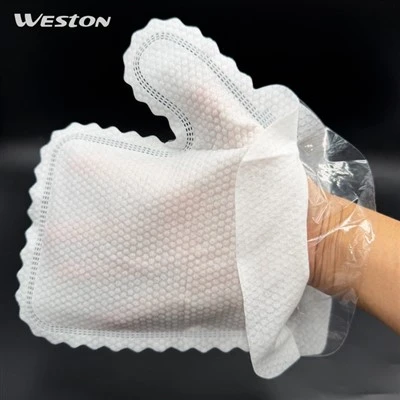
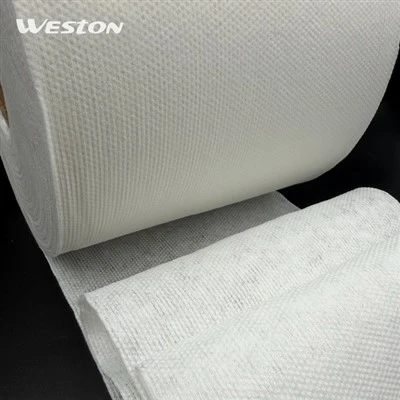
As a leader in spunlace nonwoven technology, Weston Nonwoven leverages the strength of natural fibers to create high-performance materials. Their products, such as Cotton Spunlace Nonwoven Fabrics and Bamboo Charcoal Spunlace, exemplify how natural fibers are engineered for versatility and reliability. These materials are designed for applications ranging from personal care to industrial use, including 100% Natural Plant Fiber Masks for skincare and Cellulose Spunlace Industrial Printer Cleaning Wipes for precision maintenance. With a monthly production capacity of 3,500 tons and exports to 68 countries, Weston combines innovation with sustainability, offering eco-friendly options without compromising quality.
Future Trends and Outlook
The future of natural fibers lies in addressing their limitations through research and development:
Advanced Processing Techniques: Methods like vacuum infusion and pultrusion are improving fiber-matrix adhesion and consistency.
Nanotechnology Integration: Cellulosic nanofibers and carbon nanotube enhancements are boosting mechanical properties.
Standardization and Regulation: Developing uniform testing standards will ensure quality and reliability across industries.
Market Growth: The global plant-based fiber market is projected to reach $11.1 billion by 2034, driven by demand for sustainable materials in textiles, automotive, and construction.
As industries prioritize sustainability, natural fibers will play a pivotal role in reducing environmental impact while delivering performance.
Exploring Weston Nonwoven's Offerings
For professional buyers seeking to experience the benefits of natural fiber-based products, Weston Nonwoven provides a range of solutions. Their Bamboo Charcoal Spunlace fabric combines bamboo's natural strength with charcoal's antibacterial properties, ideal for medical and cosmetic applications. Similarly, Cotton Spunlace Nonwoven Fabrics offer softness and absorbency for personal care products. To explore these innovations firsthand, request a free sample via email at info@westonmanufacturing.com. Discover how Weston's expertise in spunlace technology can meet your specific needs while aligning with sustainability goals.