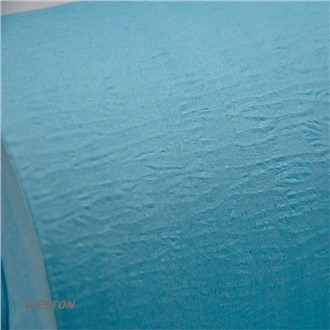
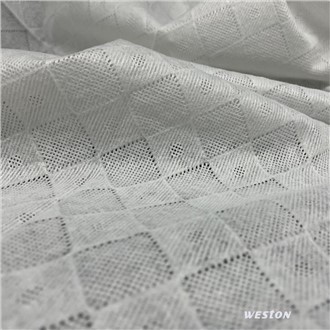
Alternatives to flushable wipes are becoming increasingly necessary as households face plumbing bills in the thousands of dollars due to these seemingly convenient products. Despite their "flushable" label, wet wipes typically contain plastic that doesn't disintegrate like toilet paper, leading to serious plumbing issues and contributing to massive 'fatbergs' in sewage systems. In fact, Australian water utilities spend approximately $15 million each year removing wet wipes from sewage treatment plants.
The environmental impact is equally concerning. Traditional wet wipes can take hundreds of years to decompose, significantly contributing to environmental pollution. Additionally, the average carbon equivalent emissions from a single disposable wipe equal a car driving for one kilometer. Consequently, finding better alternatives to flushable wipes isn't just about preventing costly plumbing repairs-it's about protecting our planet. From water-only wipes made from organic materials to eco-friendly alternatives to microfiber cloths, sustainable options are now readily available. In this guide, we'll explore the most effective and environmentally responsible alternatives for 2025 that are better for both your home and our environment.

Why 'Flushable' Wipes Aren't Really Flushable
The marketing term "flushable" on wet wipes packaging is seriously misleading. These products simply don't break down like toilet paper when flushed, creating massive problems for both home plumbing and municipal sewage systems.
Unlike toilet paper, which disperses within seconds of hitting water, most alternatives to flushable wipes contain plastic fibers that help them maintain strength when wet. This fundamental difference means that even after traveling through your pipes, these wipes remain intact. Furthermore, independent testing consistently shows that many so-called "flushable" wipes maintain their structure even after hours in water.
What makes this situation particularly troubling is the lack of regulation. Currently, no federal standards exist for what can be labeled "flushable," allowing manufacturers to use the term without proving their products actually disintegrate. Although some companies claim their wipes pass "flushability tests," these tests often don't replicate real-world conditions in aging sewage systems.
The science is clear: when subjected to the slosh box test (which simulates movement through sewage systems), toilet paper completely breaks down within 30 minutes. However, most "flushable" wipes remain virtually intact even after 3 hours. This explains why better alternatives to flushable wipes are urgently needed.
Municipal water utilities have been sounding the alarm for years. The evidence appears in the form of massive clogs that workers must physically remove from pumps and pipes. These blockages aren't just inconvenient-they're expensive to fix and environmentally damaging when they cause sewage overflows.
For households, the consequences are equally serious. Plumbers report that wipe-related clogs are among their most common service calls, with repairs often costing hundreds or even thousands of dollars. This makes finding eco-friendly alternative to microfiber cloths and traditional wet wipes not just an environmental choice but an economic necessity for homeowners who want to avoid costly plumbing disasters.
The Environmental Cost of Using Wet Wipes
Beyond clogging pipes, wet wipes create devastating environmental damage that extends from our sewers to the ocean depths. The evidence is alarming-these seemingly innocent products contain plastic fibers that break down into microplastics, essentially becoming permanent pollutants in our ecosystems.
When improperly disposed of (which happens with shocking frequency), wet wipes contaminate waterways through sewer overflows. Studies show that 99.7% of ocean samples contained microfibers from products like wet wipes. Moreover, these persistent pollutants have penetrated even the most remote areas-microplastics from wet wipes have been discovered throughout the Arctic.
The impact on marine life is severe. Research reveals that over 75% of emperor penguins near Antarctica ingest these microfibers. These synthetic materials don't just physically harm marine animals-they also function as carriers for toxic chemicals, transporting harmful compounds throughout the food chain.
The pollution extends beyond microplastics. Notably, private testing has found toxic PFAS chemicals (known as "forever chemicals") in 23% of baby wipes. These chemicals, linked to cancers and hormone disruption, subsequently enter water systems when wipes are flushed or thrown away.
The financial toll is equally staggering. North American utilities spend approximately $441 million annually addressing wipe-related problems in sewage systems. Primarily, this represents just the operational costs-not the full environmental damage.
Finding alternatives to flushable wipes isn't merely a convenience issue-it's an environmental imperative. Eco-friendly alternatives to microfiber cloths help prevent the release of these persistent pollutants. Better alternatives to flushable wipes are essential because, as research confirms, 90% of materials causing sewer blockages are wet wipes.
Until sustainable alternatives become the norm, our oceans will continue accumulating these pollutants, with microplastic fibers found in virtually every corner of our seas-creating an environmental crisis that demands immediate attention.

Best Eco-Friendly Alternatives for 2025
Looking ahead to 2025, innovative alternatives to flushable wipes are finally addressing both environmental concerns and practical needs. These solutions effectively tackle the USD 1 billion in annual plumbing damage caused by conventional wipes.
First, spray solutions transform ordinary toilet paper into effective cleaning tools. Products like Weston turns regular toilet paper into biodegradable, flushable wet wipes that break down exactly like toilet paper. These sprays contain gentle ingredients such as witch hazel, vitamin B5, and green tea extract that reduce irritation while providing superior cleaning.
The Weston factory offers another ingenious approach, giving toilet paper the perfect wetness and texture for effective cleaning without creating waste. Simply press toilet paper against it for half a second, then wipe and flush normally. This one-time purchase eliminates the need for continuous wipe purchases.
For those seeking reusable options, cloth wipes represent excellent better alternatives to flushable wipes. Made from materials like bamboo viscose (83%) and polyester (17%), these soft, absorbent wipes can be washed and reused repeatedly. Rather than contributing to landfills, they provide a zero-waste solution that's gentler on sensitive skin.
Sustainable toilet paper options are advancing rapidly as well. Research shows recycled toilet paper generates approximately 30% lower greenhouse gas emissions than virgin pulp products. Similarly, innovative alternatives made from bamboo, sugarcane, and even wheat straw offer impressive environmental benefits-Essity's straw pulp, for instance, shows a 20% better environmental footprint than wood-based products.
Weston dishcloths stand out as versatile eco-friendly alternatives to microfiber cloths. Unlike microfiber, which sheds plastic particles when washed, these plant-based cellulose and cotton cloths are fully biodegradable. One cloth can replace up to 100 rolls of paper towels, making them both practical and sustainable.
For bathroom cleaning, glass spray bottles with refillable solutions offer another way to eliminate single-use plastics. These bottles can be filled with water or natural cleaning solutions and paired with reusable cloths made from organic cotton, bamboo, hemp or linen.
The evidence against so-called "flushable" wipes speaks for itself. Despite industry claims, these products simply do not break down like toilet paper, leading to costly plumbing disasters and environmental damage. Eco-friendly alternatives to flushable wipes have therefore become essential for responsible consumers in 2025. Undoubtedly, the financial burden-$15 million annually for Australian utilities alone and roughly $441 million for North American systems-makes this an economic issue as much as an environmental one.
Fortunately, numerous sustainable options now exist. Spray solutions that transform regular toilet paper into biodegradable cleaning tools offer perhaps the most straightforward solution. Additionally, reusable cloth wipes provide zero-waste alternatives that actually work better for sensitive skin. Better alternatives to flushable wipes like Weston Manufacturing dishcloths and bamboo-based products further demonstrate how sustainability and practicality can coexist.
The consequences of continuing with traditional wet wipes remain severe. Microplastics have already invaded our oceans, with 99.7% of ocean samples containing these harmful particles. Furthermore, the presence of toxic PFAS chemicals in many wipes poses risks beyond environmental damage, potentially affecting human health as well.
We must acknowledge that our everyday choices significantly impact both our homes and our planet. Though "flushable" might seem like a minor convenience, the collective cost of this misleading claim has grown too large to ignore. Alternatives to microfiber cloths and traditional wet wipes represent not just better options but necessary changes as we move toward more sustainable living practices. The next time you reach for a wipe, remember-your pipes, your wallet, and our oceans will thank you for choosing truly earth-friendly alternatives.