What Is Bamboo Fiber Used For?
Bamboo fiber is used to make soft, breathable, and naturally antibacterial textiles for clothing, bedding, baby products, medical dressings, and - most heavily in industrial supply chains - nonwoven fabrics for wipes, hygiene products, and hospital-grade disposables. Among all these applications, bamboo nonwoven fabric has become one of the fastest-growing categories, because it combines the softness of bamboo with the absorbency and biodegradability that wet wipes, sanitary products, and medical nonwovens demand.
This article breaks down exactly where bamboo fiber is used, how the different bamboo fiber types compare, and why bamboo spunlace nonwoven fabric in particular has become a preferred raw material for global hygiene and personal care manufacturers.

The Three Main Types of Bamboo Fiber
Not all "bamboo fabric" is made the same way, and the manufacturing process determines how the fiber can be used.
Bamboo Viscose (Bamboo Rayon) - The most common form on the market. Bamboo pulp is chemically dissolved and regenerated into fiber. It's soft, affordable, and widely used in apparel and nonwovens, though the open-loop chemical process has drawn some environmental scrutiny.
Bamboo Lyocell - Made using a closed-loop solvent process that recovers and reuses most of the chemicals involved. It's considered the more environmentally responsible option, with a slightly higher cost.
Bamboo Linen - Produced mechanically without heavy chemical processing. It's more breathable and textured but stiffer, and it's used far less in fine textiles or nonwovens due to processing difficulty.
For nonwoven fabric production, bamboo viscose and bamboo lyocell are by far the dominant choices, since they can be blended and processed on standard spunlace lines.
Bamboo Fiber Uses by Category
|
Category |
Common Applications |
Key Benefit |
|
Apparel |
T-shirts, underwear, socks, activewear |
Moisture-wicking, odor resistance |
|
Home Textiles |
Bedsheets, towels, bathrobes |
Silky handfeel, breathability |
|
Baby & Infant Products |
Diaper liners, baby wipes, baby clothing |
Low irritation, gentle on skin |
|
Hygiene & Nonwoven Products |
Wet wipes, mask liners, sanitary napkins, facial masks |
Softness, biodegradability, absorbency |
|
Medical |
Dressings, gauze, wound care textiles |
Antimicrobial properties, breathability |
|
Industrial / Filtration |
Air and liquid filter media |
Biodegradable alternative to synthetic filters |
Independent textile studies have consistently found that 100% bamboo fabric shows stronger antibacterial performance and faster moisture absorption than cotton or standard viscose fabric of similar weight, which is exactly why bamboo has moved from clothing racks into hygiene product supply chains - the same properties that make a bamboo T-shirt feel fresh longer make a bamboo wipe or pad perform better against moisture and bacteria.
Why Bamboo Spunlace Nonwoven Fabric Specifically Matters
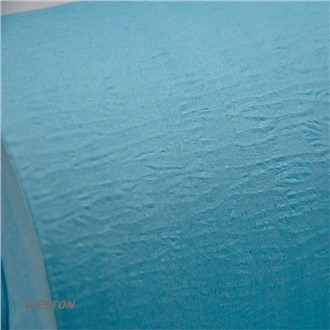
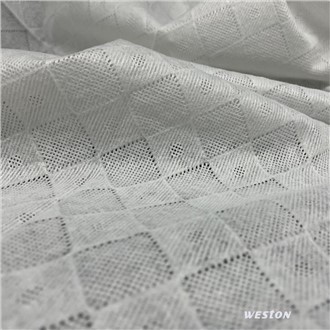
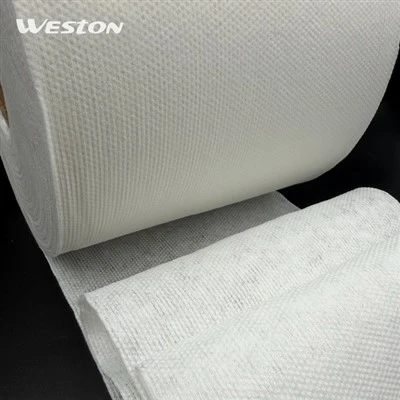
Spunlace (hydroentangled) nonwoven fabric is produced by using high-pressure water jets to interlock fibers without adhesives or heat - which is why it's the go-to process for skin-contact hygiene products. When bamboo fiber is processed into Bamboo Spunlace Nonwoven Fabrics, the result is a material that:
Absorbs liquid faster than cotton or polyester spunlace of the same GSM
Feels noticeably softer against skin, which matters for wet wipes, facial masks, and diaper-adjacent products
Retains a natural antibacterial effect that helps control odor in reusable and semi-disposable products
Biodegrades faster than 100% polyester or PP-based nonwovens, which matters for brands marketing "eco-friendly" or "plant-based" hygiene lines
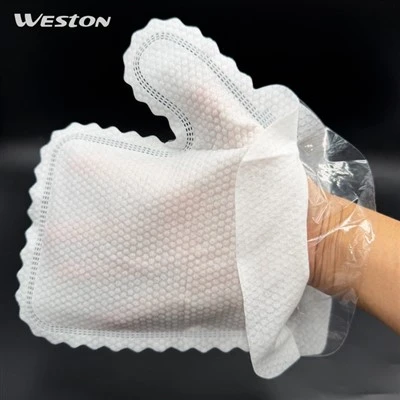
This is why bamboo spunlace has become a standard raw material request from brands producing baby wipes, makeup remover pads, facial masks, medical wipes, and - increasingly - Bamboo Fiber Sanitary Napkins, where softness and breathability directly affect comfort and skin sensitivity during use.
Where the Raw Bamboo Actually Comes From
Bamboo fiber quality is not just about the spinning or spunlace process - it starts with the bamboo itself. Bamboo pulp taken from stalks that are 4–5 years mature has denser, more consistent cellulose content than pulp from younger bamboo, which translates into stronger, more uniform fiber once it's processed into pulp and then into nonwoven fabric. The region the bamboo is grown in matters too: Sichuan Province, with its extensive natural bamboo forests and long-established pulping industry, is one of the primary sources of bamboo pulp used in nonwoven-grade fiber production in China.

A Note on Where Weston Nonwoven's Bamboo Material Comes From
Weston Nonwoven has been manufacturing spunlace nonwoven fabric since 2003, working across a wide range of fiber bases - wood pulp/PP blends, cotton, lyocell, bamboo, viscose, polyester, and other specialty fibers - supplying both jumbo roll and finished nonwoven products to customers around the world. For its bamboo-based lines, Weston sources pulp from 4–5 year mature bamboo grown in Sichuan Province, one of the regions richest in bamboo pulp resources, to keep fiber quality and consistency stable across large production runs. This raw material sourcing is part of why Weston's bamboo spunlace fabric is used by customers producing wipes, sanitary products, and other skin-contact nonwovens for global markets.
FAQ:People Ask About Bamboo Fiber
Is bamboo fabric actually eco-friendly, or is it greenwashing?
It depends on the process. Bamboo viscose uses chemical solvents in an open-loop process, which is more resource-intensive than marketing often suggests. Bamboo lyocell uses a closed-loop process that recycles most solvents, making it the genuinely lower-impact option. If sustainability is the priority, ask specifically which process was used - "bamboo" alone doesn't tell you enough.
Does bamboo fabric shrink or wrinkle after washing?
Bamboo viscose fabric can wrinkle more than cotton and may shrink slightly on first wash if not pre-treated. For nonwoven products like wipes or pads, this isn't a concern since the fabric isn't laundered and reused the same way apparel is.
Is bamboo fiber really antibacterial, or is that just marketing?
Multiple textile studies have measured genuinely higher antibacterial performance in bamboo fabric compared to cotton and standard viscose. The effect can diminish somewhat with repeated washing in reusable textiles, but in single-use or short-cycle nonwoven products like wipes and sanitary items, the antibacterial benefit holds up well through the product's use life.
Bamboo vs. cotton - which is better for sensitive skin or baby products?
Bamboo fiber generally scores well for low irritation and softness, and its natural moisture-wicking can help keep skin drier, which is beneficial for baby wipes and diaper liners. Cotton remains a solid, well-tested alternative. Neither is universally "better" - it depends on the specific product and finishing process.
What's the difference between bamboo viscose, lyocell, and rayon - are they the same thing?
"Bamboo viscose" and "bamboo rayon" are essentially the same product, just different names for the same chemical process. Bamboo lyocell is a different, more controlled process using different solvents, resulting in a fiber that's often considered stronger and more sustainably produced.
Is bamboo nonwoven fabric safe for wipes and masks that touch skin?
Yes - this is one of its main use cases. Spunlace processing (no adhesives, no heat-bonding) combined with bamboo's natural softness and antibacterial properties is exactly why it's favored for wet wipes, facial masks, and other skin-contact nonwoven products.
Where can I source bamboo spunlace nonwoven fabric in bulk (jumbo roll)?
Bulk buyers typically source directly from spunlace nonwoven manufacturers that offer bamboo fiber lines in jumbo roll form, rather than converters. Manufacturers with established bamboo pulp sourcing (mature bamboo stock, consistent regional supply) tend to offer more stable fiber quality across large orders.