- Every day in hospitals worldwide, a silent irritation occurs-not from medications or procedures, but from the very materials intended to protect patient skin.
For years, medical adhesives and coverings have presented healthcare with a persistent challenge: how to secure essential dressings and devices without damaging the very skin they're meant to protect. This dilemma is particularly acute for patients with fragile skin-the elderly, those with sensitive skin conditions, or individuals requiring prolonged adhesive use.
The consequences extend beyond simple discomfort. Skin injuries from medical adhesives can lead to serious complications, including infections and delayed healing. Fortunately, innovative approaches are emerging that redefine protection through advanced material science.
The Delicate Science of Skin and Adhesives
Human skin is a remarkable organ, serving as both a protective barrier and a sensitive interface with the world. When this barrier is compromised by medical adhesives, the results can be painful and counterproductive to healing.
Traditional adhesive materials often create a sealed environment where moisture, heat, and bacteria accumulate. This trapped microenvironment can disrupt the skin's natural pH balance and cause irritation. For patients already coping with health challenges, this additional source of discomfort can significantly impact their recovery experience and overall well-being.
The problem is particularly pronounced in cases requiring prolonged adhesion, where the continuous attachment of medical devices to skin becomes necessary. In these situations, the very materials intended to help patients can become sources of new complications, creating a cycle of skin damage that demands additional clinical attention and resources.
Breathable Innovation: The Spunlace Revolution
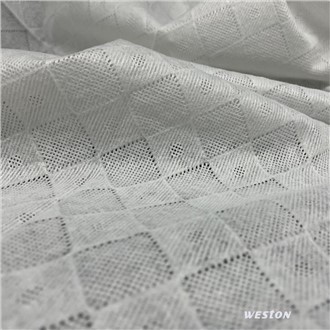
At the heart of the solution lies a technology that reimagines nonwoven fabrics at a fundamental level. Spunlace fabrication, also known as hydroentanglement, uses high-pressure water jets to mechanically entangle fibers without chemical binders. This process creates a three-dimensional network that is both strong and exceptionally soft.
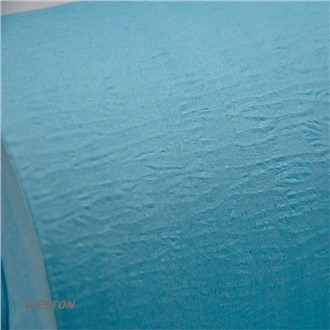
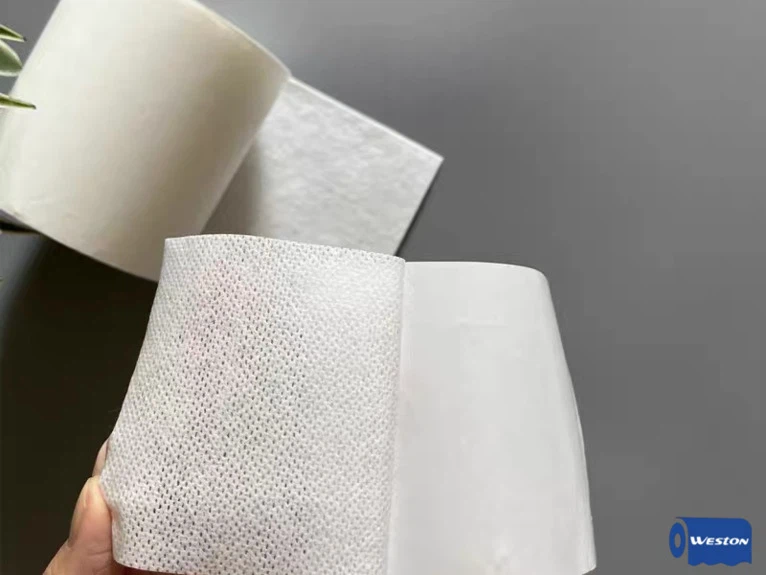
The unique structure of Spunlace Nonwoven For Medical Tape Roll creates microscopic channels that allow air to circulate freely while maintaining an effective barrier against contaminants. This breathability is crucial for maintaining skin health, as it prevents the accumulation of moisture that can lead to maceration-the painful breakdown of skin that occurs when it remains wet for extended periods.
Unlike traditional materials that rely on plastic-based components, spunlace technology can incorporate natural wood pulp fibers that are inherently gentler on skin. The result is a material that combines the durability needed for medical applications with a softness that respects skin's delicate nature.

Beyond Simple Stickiness: Reinventing Medical Adhesion
Traditional medical adhesives often grip skin with uniform intensity, which creates problems during removal. The tearing and trauma that can occur during dressing changes not only causes pain but can also strip away healthy skin cells, compromising the barrier function of the epidermis.
Advanced spunlace tapes introduce a more sophisticated approach to adhesion. By creating a gentle yet secure bond, these tapes maintain reliable attachment without excessive aggression toward skin. The secret lies in the unique surface characteristics of spunlace materials, which allow for adhesives that distribute tension evenly across a broader area rather than concentrating stress at the edges.
This intelligent approach to medical adhesion means that Breathable Adhesive Bandages can stay in place during normal activities while removing cleanly and comfortably when necessary. For patients requiring frequent dressing changes, this translates to significantly less discomfort and anxiety about routine care procedures.
The Hospital-Tested Benefits of Spunlace Technology
The transition to spunlace-based medical materials represents more than a simple substitution of one fabric for another. It introduces a fundamentally different approach to patient skin care with demonstrable benefits across clinical settings.
Reduced Irritation Episodes: The hypoallergenic properties of spunlace materials stem from their chemical-free manufacturing process and natural composition. By eliminating common irritants like synthetic adhesives and chemical binders, these materials significantly lower the risk of allergic reactions and contact dermatitis.
Superior Moisture Management: The micro-porous structure of Non-woven Wound Care Sheet products allows for controlled vapor transmission while quickly absorbing and locking away excess fluids. This dual-action moisture management helps maintain the optimal healing environment-moist enough to support cellular regeneration but not so wet as to cause tissue breakdown.
Enhanced Patient Comfort: The characteristically soft texture of spunlace materials creates a smoother patient experience during both application and wear. This heightened comfort is particularly valuable for patients who require long-term adhesive use or those with conditions that make skin exceptionally sensitive.
More Than Just Tape: Spunlace Across Medical Applications
The versatility of spunlace technology extends well beyond medical tapes, finding valuable applications throughout healthcare environments where skin contact occurs.
In surgical settings, Spunlace Wipes Used For Surgical Site Preparation have revolutionized pre-operative skin cleansing. Their unique lint-free characteristic ensures that no fibers are left behind in the surgical field. Meanwhile, their gentle texture effectively cleanses without causing the irritation that can precede more significant skin complications.
The same principles apply to wound care, where Non-woven Wound Care Sheet products provide a protective cushion over vulnerable areas. Unlike materials that can adhere to healing tissue, these spunlace sheets maintain a non-adherent surface that cushions wounds while allowing them to breathe-a critical factor in the healing process.
The adaptability of these materials means they can be engineered for specific medical scenarios, from the high-moisture environment of incontinence care to the precise demands of securing intravenous lines and other medical devices.
A Sustainable Approach to Skin Health
The benefits of spunlace technology extend beyond patient comfort to broader environmental considerations. Traditional plastic-based medical materials can take years to break down, contributing to the significant waste stream generated by healthcare facilities.
In contrast, many spunlace materials offer inherent biodegradability, breaking down significantly faster than their plastic counterparts. This environmental benefit aligns with the growing emphasis on sustainable healthcare practices that protect both patient health and the planetary systems that support it.
The reduced incidence of skin irritation also translates to fewer dressing changes and less material use over time. This efficiency not only benefits patients but also supports healthcare systems in optimizing resource utilization while maintaining high standards of care.
Implementing Change in Hospital Systems
The transition to spunlace-based medical materials represents more than a simple product substitution-it requires a thoughtful approach to integrating new solutions into complex healthcare environments. Successful implementation involves collaboration across clinical roles, from materials management to frontline nursing staff.
Education plays a crucial role in maximizing the benefits of any new medical material. When clinical teams understand the science behind spunlace technology, they can better leverage its properties for patient benefit. This might include techniques for application and removal that further minimize skin stress, or identifying patient populations most likely to benefit from these advanced materials.
The evidence supporting spunlace materials continues to grow as more healthcare facilities document their experiences. While individual results vary by setting and patient population, the consistent theme across implementations is the reduction in skin complications associated with medical adhesives and dressings.
Looking Forward: The Future of Skin-Friendly Medical Materials
As material science continues to advance, the potential for further innovation in medical skin protection remains considerable. The success of spunlace technology has opened new avenues for exploration-from smart materials that can actively monitor skin health to advanced formulations that further optimize the healing environment.
What remains clear is that the relationship between medical materials and skin health will continue to evolve, with patient comfort and safety at the forefront. The lessons learned from implementing spunlace technology-the importance of breathability, the value of gentle adhesion, the benefits of chemical-free manufacturing-will undoubtedly inform future developments in medical materials.
For healthcare facilities considering these innovations, the opportunity to request a free sample at info@westonmanufacturing.com provides a practical first step toward evaluating how these materials might benefit their specific patient populations and clinical workflows.
The movement toward more skin-friendly medical materials represents an important evolution in how healthcare approaches one of its most fundamental responsibilities: protecting the integrity of the body's largest organ while delivering necessary treatments. In this quiet revolution against skin irritation, advanced materials science has become an unexpected ally in the pursuit of more compassionate and effective patient care.