What Household Item Soaks Up Oil? Unveiling the Everyday Heroes of Spill Cleanup
Life is full of little surprises, and sometimes, those surprises come in the form of an unexpected oil spill. Whether it's a greasy splash in the kitchen, a minor leak in the garage, or a dropped bottle of olive oil, these slick situations can quickly turn a calm moment into a frantic cleanup. While specialized industrial absorbents exist, many effective solutions are often right under our noses, tucked away in our pantries or utility closets. This article dives into the fascinating world of oil absorption, exploring the common household items that come to our rescue and the science that makes them surprisingly effective.
The Unseen Battle: Understanding Oil Spills at Home
Oil, by its very nature, is hydrophobic – it repels water. This characteristic is precisely what makes oil spills so challenging to clean. They spread quickly, seep into porous surfaces, and leave behind a stubborn, often slippery residue. Our goal in cleanup isn't just to move the oil around, but to effectively remove it from the surface. This is where the magic of absorbents comes into play, turning a liquid mess into a manageable solid that can be safely disposed of.

Everyday Champions: Your Pantry's Secret Weapons
Let's start with the familiar faces, the items many of us instinctively reach for when a spill occurs. These aren't just for cooking or cleaning; they're formidable oil fighters:
•Cat Litter (Non-Clumping): A true workhorse, especially for larger spills in the garage or driveway. Its porous, granular structure provides an immense surface area, allowing oil to cling to and be drawn into its many tiny voids. The key here is non-clumping varieties, as clumping litter can turn into a muddy paste when saturated with oil, making cleanup harder.
•Baking Soda: This versatile powder is more than just a leavening agent or odor absorber. Its fine, crystalline structure offers a significant surface area, and its mild alkalinity can help break down some of the oil's stickiness, making it easier to lift. It's particularly effective for smaller, fresher spills on countertops or floors.
•Cornstarch and Flour: Much like baking soda, these common kitchen staples are excellent for fresh, liquid spills. Their fine particles work by increasing the surface area available for the oil to adhere to. When sprinkled generously over a spill, they create a thick, absorbent paste that can then be carefully scraped up, encapsulating the oil within.
•Sawdust: For those with access to it, sawdust is an incredibly effective and often free absorbent. Its fibrous, irregular structure creates a vast network of spaces where oil can be trapped. It's a go-to for workshops and larger spills, demonstrating nature's own absorbent power.
The Science of the Soak: How Materials Trap Oil
To truly appreciate these household heroes, it helps to understand the fundamental principles at play. It's not just aboutsimple soaking; it's a fascinating interplay of physics and chemistry.
Adsorption vs. Absorption: A Key Distinction
Often used interchangeably, these two terms describe distinct processes. Adsorption is when oil molecules adhere to the surface of a material. Think of a magnet attracting metal filings – the filings stick to the surface. Many of our household absorbents primarily work through adsorption, where the oil coats the external and internal surfaces of the absorbent particles. Absorption, on the other hand, involves the oil being drawn into the bulk of the material, filling its internal pores and capillaries. Most effective oil cleanup materials utilize a combination of both.
The Power of Surface Area and Capillary Action
Why are powders, granules, and fibrous materials so effective? The answer lies in surface area. The more microscopic nooks, crannies, and irregular surfaces a material possesses, the more places oil molecules have to cling. Imagine trying to catch water with a single flat plate versus a sponge – the sponge, with its vast internal surface area, wins every time. This is also where capillary action comes into play. Just as water climbs a narrow tube, oil is drawn into the tiny spaces and channels within porous materials, seemingly defying gravity. This phenomenon is crucial for pulling oil away from the contaminated surface and into the absorbent.
Oleophilicity: Oil's Best Friend
Some materials have a natural affinity for oil, a property known as oleophilicity. These materials aremore attracted to oil than to water, making them ideal for selective oil removal. This chemical attraction enhances the physical processes of adsorption and absorption, leading to more efficient cleanup.
The Unsung Heroes: Surprising Solutions from Unexpected Places
Beyond the usual suspects, there are some truly remarkable and often overlooked items that can tackle oil spills with surprising efficacy. These demonstrate the diverse ways materials interact with oil, offering fresh perspectives on cleanup.
Hair Today, Oil Gone Tomorrow: The Power of Keratin
This might sound like something out of a science fiction novel, but human hair and animal fur are incredibly effective oil absorbents. Hair is naturally oleophilic, meaning it loves oil. Its fibrous structure provides an enormous surface area, and the keratin protein in hair readily binds with oil molecules. Organizations like Matter of Trust have pioneered the use of hair mats, made from salon clippings and pet fur, for large-scale environmental oil spill cleanups. While you might not be weaving hair mats for your kitchen floor, the principle highlights the powerful, natural absorbent qualities of something we often discard.
Coffee Grounds: Aromatic Absorbency
Your morning brew leaves behind more than just a pleasant aroma. Used coffee grounds, with their porous structure and residual oils, can surprisingly bind with spilled oil. Sprinkling them over a fresh spill can help solidify the oil, making it easier to sweep up. Plus, you get a temporary, earthy scent to mask the oil smell – a win-win for small spills.
Rice and Other Grains: Slow but Steady
While not an immediate solution for a gushing spill, dry rice and other similar grains can absorb oil over time, particularly for smaller, contained incidents. The starch content in these grains plays a role in drawing in and encapsulating the oil. This method is more about patience and less about instant gratification, but it's a testament to the subtle absorbent properties found in everyday food items.
The Future of Absorbency: Engineered Solutions
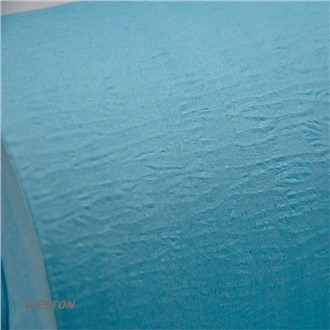
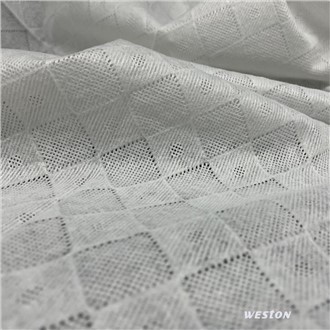
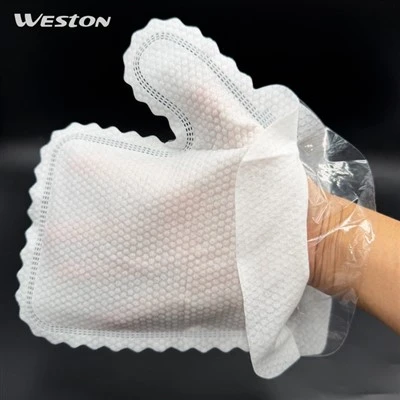
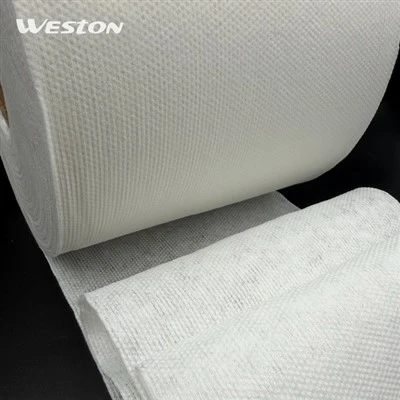
Researchers are constantly innovating, developing new materials that push the boundaries of oil absorption. From chemically modified sponges that selectively slurp up oil from water [5] to advanced nonwoven fabrics, the science is always evolving. These innovations often draw inspiration from the natural world and the principles we've discussed. For instance, specialized materials like Weston Nonwoven's Heavy-Duty Shop Wipes are engineered with superior absorbency in mind. Made from advanced spunlace nonwoven fabrics, these wipes are designed to quickly and efficiently soak up oils, greases, and other liquids, making them an indispensable tool for workshops, garages, and even tough household messes. The ability of Weston Nonwoven to customize these products, offering options in wood pulp PP material or various colors and shapes for oil absorbent pads, showcases how targeted engineering can elevate simple absorption to a highly effective solution.
Your Home Spill Cleanup Toolkit: Practical Steps for Action
Knowing what absorbs oil is only half the battle; knowing how to use it effectively is the other. Here's a practical guide to tackling those inevitable spills:
Act Fast, Contain the Mess
The golden rule of spill cleanup is speed. The quicker you act, the less the oil will spread and penetrate surfaces. If possible, try to contain the spill immediately using a barrier like paper towels or a cloth to prevent it from spreading further.
The Application: Sprinkle, Wait, and Collect
Once contained, generously sprinkle your chosen absorbent material over the entire spill. Don't be shy – cover it completely. For powders like baking soda, cornstarch, or flour, let it sit for 15-20 minutes, allowing the oil to be drawn in. For cat litter or sawdust, you might need a bit longer. The goal is to transform the liquid oil into a more solid, manageable form.

The Removal: Scrape, Sweep, and Wipe
After the absorbent has done its work, carefully scrape up the solidified mixture using a stiff brush, dustpan, or even a piece of cardboard. For smaller spills, a vacuum cleaner might work for powders. Follow up with a thorough wipe-down using a degreasing cleaner or a strong soap and water solution. For stubborn residues, a second application of absorbent or a stronger cleaning agent might be necessary.
Safety and Disposal: Mindful Cleanup
Always prioritize safety. Ensure good ventilation, especially if using strong cleaners. Wear gloves to protect your hands from both the oil and cleaning agents. Dispose of oil-soaked absorbents properly. Small amounts can often go into regular household trash, but larger quantities or hazardous oils might require special disposal methods – check local regulations.
Empowering Your Everyday Cleanup
Understanding the simple science behind oil absorption empowers us to tackle spills with confidence and efficiency. It transforms everyday items into powerful tools, reminding us that effective solutions are often closer than we think. By appreciating the principles of surface area, capillary action, and oleophilicity, we can make informed choices, turning potential frustrations into manageable tasks. So, the next time you face a slick situation, remember the unsung heroes in your home – and perhaps, the engineered excellence of products like Weston Nonwoven's Multi-Purpose Water & Oil Absorbent Pads – ready to help you restore order with a simple, effective soak.