Is There Such a Thing as Flushable Wet Wipes?
Many consumers assume that wet wipes labeled "flushable" can safely be disposed of in the toilet. In reality, these products often behave differently once flushed, leading to plumbing issues, environmental concerns, and unexpected maintenance costs. Understanding how flushable wipes interact with pipes and wastewater systems is essential for making informed choices.
Common Problems with Flushable Wipes
1. Plumbing Issues: Clogs and Blockages
Flushable wipes are designed to pass through a toilet, but in many cases, they remain largely intact. This can cause blockages in household plumbing, septic systems, and municipal sewer networks. Wipes can catch on grease deposits, roots, and pump stations, leading to partial or full obstructions. These clogs often require costly repairs, sometimes running into hundreds or even thousands of dollars.
2. Misleading Marketing
The term "flushable" is primarily a marketing claim rather than a guarantee of safe disposal. Many consumers assume the label means the product will break down like toilet paper, but the reality is different. Some products labeled as flushable contain synthetic fibers that do not disintegrate quickly, which contributes to plumbing failures and misperceptions about true flushability.
3. Environmental Impact
Even if wipes reach wastewater treatment plants, they may not degrade efficiently. Unlike toilet paper, many flushable wipes retain their structure when wet, increasing the risk of blockages in treatment systems. These undissolved wipes contribute to operational challenges, higher maintenance costs, and environmental pollution.

Why Flushable Wipes Fail in Real-World Use
1. Material Composition
The performance of flushable wipes depends on the fibers used. Wipes made from synthetic fibers or blends with limited water solubility tend to remain intact for long periods. In contrast, plant-based fibers, such as cellulose, cotton, or bamboo, disperse more effectively in water but may still struggle under real plumbing conditions.
2. Water Disintegration vs. Structural Integrity
Manufacturers often test flushability under controlled lab conditions, where agitation and soaking times are optimized. However, in real plumbing systems, friction, low water flow, and obstructions prevent wipes from breaking down completely. As a result, even wipes certified as flushable can accumulate, snag, or combine with grease to form blockages.
Practical Solutions for Consumers and Businesses
1. Alternative Hygiene Practices
Bidets and Water-Based Cleaning: Reducing reliance on wipes altogether minimizes plumbing and environmental issues.
Proper Disposal: If wipes are used, disposing of them in the trash ensures they do not interfere with pipes or treatment systems.
2. Choosing Better-Performing Wipes
For businesses producing wet wipes or households seeking improved flushable options, the fiber composition is crucial. Plant-based materials, such as cellulose, bamboo, bamboo charcoal fibers, PLA, viscose, or all-cotton, disperse faster and reduce plumbing risks compared to traditional synthetic blends.
3. Customizable Professional Solutions
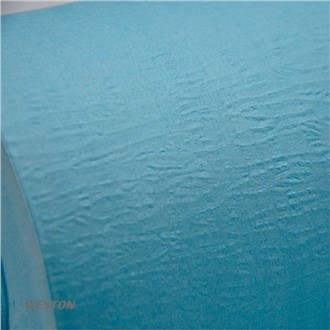
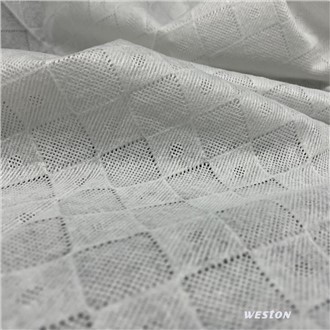
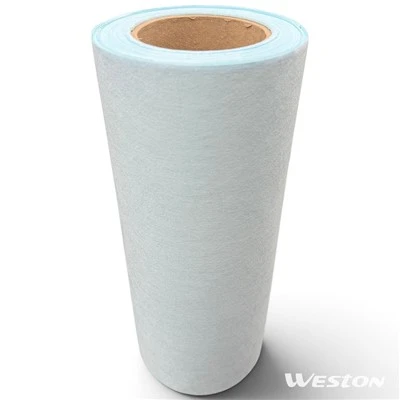
Weston Nonwoven provides a range of flushable wet wipe materials designed for better water dispersibility. Options include:
Wood pulp + PP fibers for controlled strength and dispersibility
PLA, bamboo, bamboo charcoal, viscose, and all-cotton wipes for plant-based alternatives
Customizable weights (30–120 gsm) and packaging options
Logo embossing on dry or wet wipes
Custom formulas available via info@westonmanufacturing.com
These options allow businesses to create hygienic, user-friendly wipes that balance durability with environmental responsibility.
Key Takeaways
"Flushable" is often a relative term rather than a guarantee of safe plumbing disposal.
Many standard wipes retain their structure in pipes and treatment systems, causing blockages and maintenance challenges.
Choosing wipes with plant-based fibers or using alternative hygiene methods can reduce plumbing and environmental risks.
Professional suppliers like Weston Nonwoven offer customizable flushable wet wipes with materials and designs optimized for safer use.
By understanding the limitations of flushable wipes and selecting products based on fiber composition and dispersibility, consumers and businesses can maintain hygiene standards without compromising plumbing or sustainability.