What You Need to Know About Nonwoven Fabric Examples in 2026
Why Nonwoven Fabrics Matter More Than Ever in 2026
Nonwoven fabrics are no longer just low-cost alternatives to traditional textiles-they are now engineered materials solving very specific problems across healthcare, cleaning, filtration, and sustainability.
In 2026, three forces are driving their importance:
Stricter hygiene and safety standards
Demand for cost-efficient disposable solutions
Rapid growth of eco-friendly materials
Understanding real-world nonwoven fabric examples helps you choose the right material-not just any material.
What Makes a Fabric "Nonwoven" (And Why It Changes Everything)
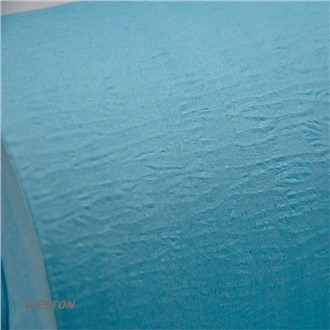
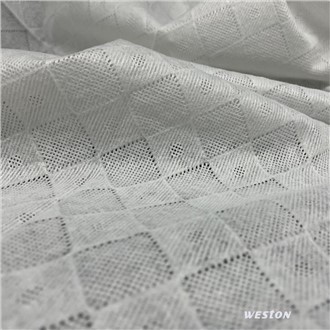
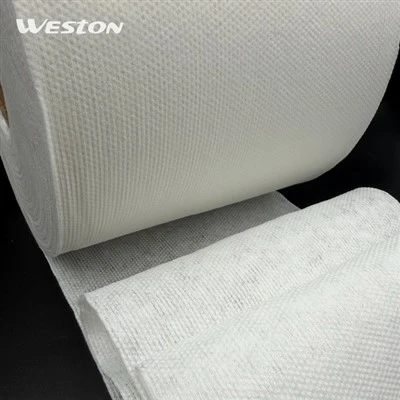
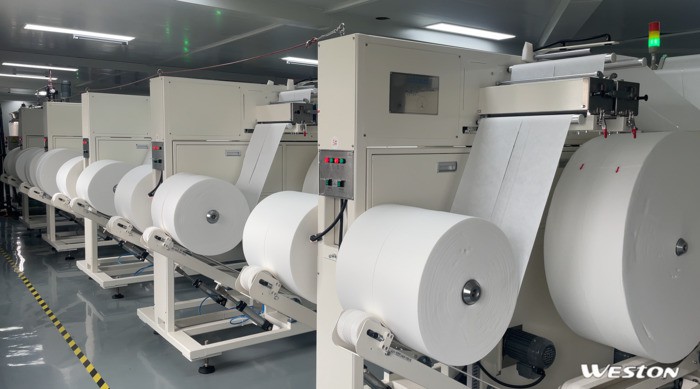
Nonwoven fabrics are made by bonding fibers directly into a sheet, skipping spinning and weaving.
This allows manufacturers to control:
Absorbency
Strength
Softness
Filtration performance
◎ In practical terms:
You don't buy "fabric"-you buy performance tailored to a task.
High-Impact Nonwoven Fabric Examples You Actually Use
1. Baby Wipes: Softness vs Strength Trade-Off
Modern baby wipes use spunlace nonwoven fabric, typically made from viscose or viscose/polyester blends.
Why this matters:
Viscose = soft + highly absorbent
Polyester = adds strength when wet
◎ 2026 trend:
Plastic-free wipes using 100% viscose or cotton are replacing synthetic-heavy versions due to environmental regulations.
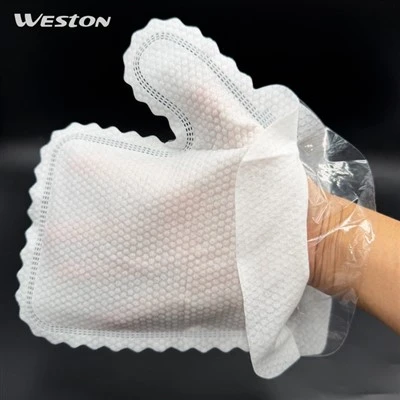
2. Industrial Cleaning Wipes: Built for Oil, Not Water
Unlike household wipes, industrial wipes must handle:
Grease
Solvents
Metal debris
Typical material:
Wood pulp + polypropylene (PP) blends
Key performance difference:
Household wipes absorb water
Industrial wipes absorb oil and resist tearing
◎ Real-world insight:
Choosing the wrong wipe increases usage volume and cost.
3. Face Masks & Air Filtration: Precision Fiber Engineering
Filtration products rely on meltblown nonwoven fabric, made of ultra-fine fibers.
Why it works:
Creates microscopic pores
Captures particles without blocking airflow
Used in:
Medical masks
HVAC filters
Industrial air systems
◎ 2026 shift:
Reusable and hybrid filtration systems are growing due to waste concerns.
4. Medical Textiles: Sterility + Performance
Nonwovens dominate healthcare because they are:
Disposable (reducing contamination risk)
Cost-effective
Customizable for medical standards
Common uses:
Surgical gowns
Wound dressings
Sterile packaging
◎ Key requirement:
Biocompatibility + controlled absorbency, not just softness.
5. Automotive Interiors: Hidden but Critical
Nonwoven materials are widely used in:
Trunk liners
Carpet backing
Sound insulation
Why manufacturers choose them:
Lightweight
Cost-efficient
Good acoustic properties
2026 trend:
Recycled fiber nonwovens are increasingly used to meet sustainability targets.
Manufacturing Methods That Define Performance
Spunlace (Hydroentanglement): Best for Wipes
Uses high-pressure water to entangle fibers
Produces soft, strong, lint-free fabrics
Used in:
Baby wipes, medical wipes, premium cleaning cloths
Meltblown: Best for Filtration
Produces ultra-fine fibers
High surface area = excellent particle capture
Used in:
Masks, air filters, liquid filtration
Spunbond: Best for Structure and Durability
Continuous filament fibers
Strong and cost-efficient
Used in:
Packaging, protective clothing, construction materials
Needle Punch: Best for Heavy-Duty Applications
Mechanically entangled thick fabrics
Used in:
Automotive parts, geotextiles, furniture backing
Material Choices: Why Fiber Type Matters in Real Use
Viscose
High absorbency
Soft on skin
Biodegradable
◎Best for: hygiene and medical use
Polyester
Strong and durable
Chemical-resistant
◎ Best for: industrial applications
Polypropylene (PP)
Lightweight
Moisture-resistant
◎Best for: filtration and disposable products
Wood Pulp Blends
Cost-effective
Excellent liquid absorption
◎ Best for: cleaning wipes
Key Performance Factors Buyers Should Evaluate
When selecting nonwoven fabric, focus on function, not category:
Absorbency Type
Water vs oil absorption
Retention vs quick release
Wet Strength
Does it tear when soaked?
Critical for wipes and medical use
Linting
Important for cleanrooms and healthcare
Breathability vs Barrier Protection
Needed for masks, gowns, and packaging
Sustainability in 2026: What's Actually Changing
Not all "eco-friendly" nonwovens are equal.
What's improving:
More viscose and cotton-based products
Recycled fiber integration
Reduced plastic content in wipes
What to watch out for:
"Biodegradable" claims without real conditions
Blended materials that are hard to recycle
How to Choose the Right Nonwoven Fabric for Your Application
For wipes (personal care):
Choose spunlace
Focus on softness + absorbency
For industrial cleaning:
Choose wood pulp + PP blends
Prioritize strength + oil absorption
For filtration:
Choose meltblown
Match pore size to application
For medical use:
Ensure regulatory compliance
Prioritize sterility and consistency
The Bottom Line: Nonwoven Fabrics Are Engineered Solutions
Nonwoven fabrics are not generic materials-they are purpose-built solutions.
In 2026, the competitive advantage comes from:
Matching the right material to the job
Understanding performance trade-offs
Prioritizing sustainability where it actually matters
The better you understand real nonwoven fabric examples, the better decisions you'll make-whether you're sourcing materials, developing products, or optimizing costs.