What Do Firefighters Use to Clean Up Oil Spills?
When people think of firefighters, they usually picture flames, smoke, and sirens. But in daily emergency response, one of the most common-and least visible-tasks firefighters handle is oil spill cleanup. From traffic accidents to industrial leaks, oil spills happen quietly and often without warning. Cleaning them up correctly is not optional. It is a matter of safety, environmental protection, and public responsibility.
This article breaks down, in plain language, what firefighters actually use to clean up oil spills, why those tools matter, and how material choice affects the outcome.
Oil Spills Are More Than Just a Mess
Oil spills are not just ugly stains on the road. They create three immediate risks:
Fire and explosion hazards from flammable vapors
Slip and fall risks for drivers, pedestrians, and responders
Environmental damage when oil enters soil, drains, or waterways
Unlike water or mud, oil does not evaporate or break down quickly. If it spreads, the danger spreads with it. That is why firefighters approach oil spills with caution and discipline, not improvisation.
The Basic Rule of Oil Spill Cleanup
No matter the location or scale, firefighters follow the same core principle:
Contain first. Absorb second. Remove completely.
Spraying water is not a solution. Water pushes oil into drains and expands the contamination area. The goal is to stop the oil from moving, lock it in place, and remove it safely.
Absorbent Materials: The Primary Tool
The most important tools firefighters use are absorbent materials. These materials work by physically soaking up oil and holding it inside their structure. There is no chemical reaction involved-just controlled absorption.
Among these tools, Oil Spill Mats are one of the most widely used formats due to their balance of performance and ease of handling.
Firefighters rely on absorbents that meet several basic requirements:
High oil absorption capacity
Minimal water absorption
Strong enough to handle without tearing
Safe for responders to touch and collect
Common Types of Absorbents Used by Firefighters
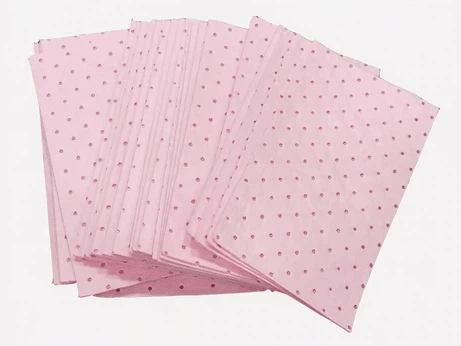
Absorbent Pads and Mats
Flat absorbent pads, often referred to as Oil Spill Mats, are used for localized spills on hard surfaces such as asphalt, concrete, or factory floors. They are placed directly over the oil and left to absorb it.
Their advantages include:
Quick deployment
Predictable absorption behavior
Clean removal without residue
Because of these qualities, Oil Spill Mats are commonly stored on fire trucks and emergency response vehicles.
Absorbent Rolls
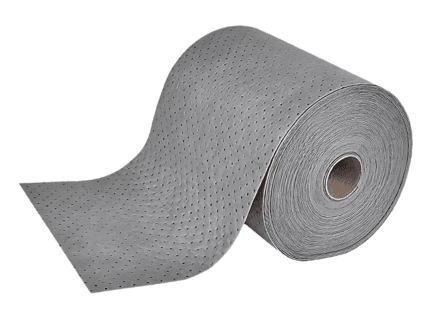
When spills cover a longer area-such as fuel trails from traffic accidents-absorbent rolls are preferred. These are essentially extended versions of Oil Spill Mats that can be cut to length on site.
They are especially useful for:
Highway spills
Industrial corridors
Large flat surfaces
Rolls allow responders to adapt quickly without wasting material.
Loose Granular Absorbents
Granular absorbents, often clay- or mineral-based, are still used in some regions. They are poured over the spill and swept up after absorption.
However, they come with drawbacks:
Dust generation
Heavy weight
Incomplete recovery from rough surfaces
Because of these limitations, many departments now favor mat-based solutions like Oil Spill Mats for cleaner and more controlled cleanup.
Synthetic vs. Natural Fiber Absorbents
Absorbents generally fall into two categories:
Synthetic absorbents
Typically polypropylene-based
High oil selectivity
Very consistent performance
Natural or cellulose-based absorbents
Made from cotton, wood pulp, or blended fibers
Lower environmental impact
Softer texture, easier final wiping
In recent years, there has been growing interest in natural fiber Oil Spill Mats, especially where environmental regulations are strict or disposal impact matters.
Supporting Tools Firefighters Use
Absorbents do not work alone. Firefighters also use:
Brooms and squeegees to gather saturated materials
Shovels for safe collection
Industrial wiping cloths for final surface cleaning
The final wipe-down is critical. Even after absorption, thin oil films can remain. Proper wiping prevents long-term slipperiness and contamination.
What Firefighters Avoid Using
There are several things firefighters deliberately do not use:
Household detergents
Degreasers flushed into drains
High-pressure water spraying
Uncontrolled chemical cleaners
Every cleanup action is governed by environmental and safety regulations. The goal is not to make the surface look clean temporarily, but to prevent oil from entering the ecosystem.
Disposal Is Part of the Job
Once oil is absorbed, the job is not finished. Oil-soaked Oil Spill Mats become regulated waste.
Firefighters must:
Bag and label used absorbents
Store them safely
Dispose of them through approved channels
This step ensures the oil does not simply reappear somewhere else.
Why Material Choice Makes a Real Difference
The quality of absorbent materials directly affects:
Cleanup time
Responder safety
Environmental impact
Total operational cost
Low-quality materials tear, shed fibers, or leave residues behind. Reliable Oil Spill Mats allow firefighters to work faster, cleaner, and with more confidence-especially under pressure.
A Quiet but Essential Part of Emergency Response
Oil spill cleanup rarely makes the news. But every day, firefighters use absorbents to keep roads safe, prevent fires, and protect water systems. These materials may look simple, but they play a critical role in emergency response.
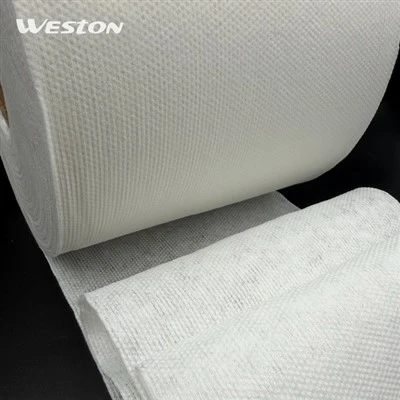
Some manufacturers, including Weston Nonwoven, develop spunlace-based Oil Spill Mats designed for high absorption, low lint, and controlled performance. In real-world cleanup, it is this kind of quiet reliability-not flashy claims-that matters most.