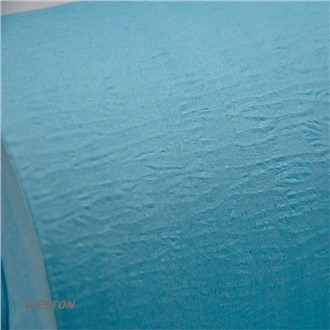
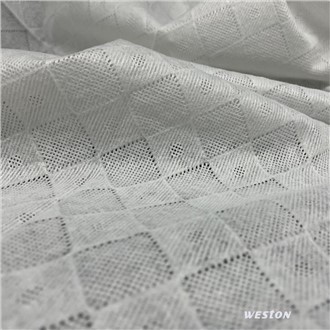
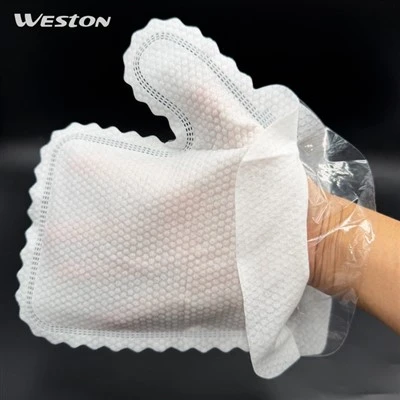
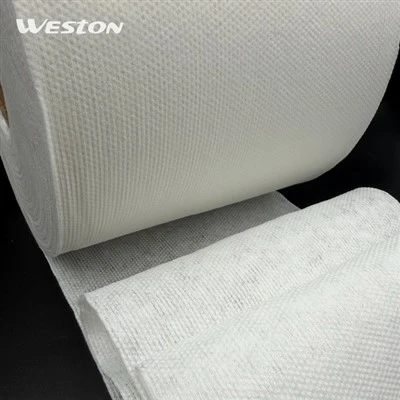
You need the right industrial cleaning wipes for your job. These wipes help keep workspaces safe and working well. Healthcare, food service, and industrial sites use these wipes. They stop germs from spreading and help keep things clean. Picking wipes with strong materials is important. Wipes should last a long time and not break easily. They also need to resist chemicals. This helps you follow safety rules and avoid trouble with the law.
Regulatory rules say you must throw away wipes the right way to stop pollution.
Cleanroom wipes must be very clean to stop product damage.

What Makes Industrial Cleaning Wipes the Best
Key Features and Materials
When picking industrial cleaning wipes, look at what they are made of. Some wipes use cellulose. Cellulose soaks up liquids well. But it can tear easily. Polypropylene wipes are stronger. They do not break as fast. They also resist chemicals. Studies show the wipe material and cleaning agent work together. This helps kill germs. Polypropylene wipes work better with hydrogen peroxide. They help stop bacteria from spreading. Cotton wipes can hold bacteria. They may not clean as well.
Tip: Always check what the wipe is made of before you buy it.
Here is a table that shows how different wipe materials compare:
|
Wipe Material |
Bactericidal Efficacy |
Interaction with Disinfectants |
Cross-Contamination Risk |
|
Polypropylene |
More effective |
Higher efficacy with hydrogen peroxide |
Lower |
|
Cotton |
Less effective |
Retained viable bacteria |
Higher |
|
Ethoxylated Alcohol |
Moderate |
Retained viable bacteria |
Higher |
|
Quaternary Ammonium |
Moderate |
Retained viable bacteria |
Higher |
Safety and Compliance
You need to follow safety rules when you use cleaning wipes. Wipes should not leave lint or fibers behind. This is very important in cleanrooms. Wipes must not have extra chemicals. Extra chemicals can cause problems. Some wipes must be sterile. Sterile wipes are needed in hospitals and labs. Always check if the wipes meet safety standards for your job.
Low lint and fibers keep your workspace clean.
Few residues help you follow GMP rules.
Chemical compatibility means wipes work with your cleaners.
Sterile wipes are needed in places that need extra safety.
Value and Efficiency
Industrial cleaning wipes help you save time. They also keep your workplace safe. You can use wipes fast to clean up spills. This helps machines last longer. It also lowers repair costs. Wipes help stop accidents. They remove slippery stuff. Using the right wipes means less cleaning time. You get more work done.
Clean wipes protect your products and workers.
Taking care of equipment is easier and costs less.
Safety gets better with fewer slips and falls.
Saving time lets you focus on your main work.
Picking the best wipes gives you strong, safe, and quick cleaning every day.
Manufacturing & Industrial
Factories need cleaning wipes that can handle hard messes. These wipes help machines work well and stay clean. You need wipes that clean grease, oil, and dirt. The wipes should not break apart when you use them. Good industrial cleaning wipes keep your workspace safe and help you work faster.
Heavy-Duty Degreasing Wipes
Heavy-duty degreasing wipes are important in factories. Machines and tools often get covered in grease and grime. These wipes must be thick and strong. They need to clean oils quickly. Many experts talk about the best wipes for tough cleaning:
Weston Industrial Heavy Duty Wipes scrub hard and are safe for skin.
WIPES HEAVY DUTY last long and clean tough messes.
Handy Heavy Duty wipes work for many cleaning jobs.
You can use these wipes to clean your tools and work areas. You can also use them to clean your hands after work. These wipes help keep machines working well and stop long breaks.
Tip: Pick wipes that do not tear and can handle strong chemicals. This helps you clean better and keeps lint away.
Lint-Free and Solvent-Resistant Wipes
Factories need wipes that do not leave lint. These wipes help keep machines and products clean. Lint-free wipes use special materials like cellulose mixed with polyester. This mix makes them soak up liquids and stay strong.
Lint-free wipes stop fibers from sticking to machines.
Solvent-resistant wipes work with cleaners like isopropyl alcohol.
Big wipes, like 9"x9", clean more space fast.
Soft wipes protect delicate surfaces and trap dirt.
You need these wipes in places where tiny bits can cause problems. Electronics and painting areas use these wipes to stay clean. Cleanrooms also need these wipes to follow strict rules.
Weston's Top Product Examples
It can be hard to pick the best cleaning wipes. The table below shows some trusted wipes for factories. Each wipe has special features to help you clean better.
|
Product Name |
Key Features |
|
Brawny Industrial Heavy-Duty Shop Towels |
Good for hygiene, can use disinfectants |
|
Industrial Combi Roll |
Big size, good for cleaning machines and surfaces |
|
Grey Color Industrial Cleaning Cloth |
No lint, resists solvents, good for sensitive equipment |
|
Industrial Cleaning Wet Wipes |
Ready to use, wet, good for quick cleaning |
Each wipe is made for different jobs. The Industrial Combi Roll and Grey Color Industrial Cleaning Cloth are good for big areas and sensitive machines. Industrial Cleaning Wet Wipes are fast and easy to use.
When you choose cleaning wipes, look for strong, chemical-resistant, and lint-free ones. These wipes help protect machines, keep your workspace clean, and follow industry rules.
Healthcare & Medical
Disinfectant and Skin-Safe Wipes
It is important to keep patients and staff safe from germs. Disinfectant wipes help stop infections in hospitals and clinics. These wipes often have isopropyl alcohol, bleach, hydrogen peroxide, iodine, or quaternary ammonium compounds. Skin-safe wipes are important too. You need wipes that clean hands and surfaces but do not hurt skin. Many medical wipes are hypoallergenic and safe to use often.
Tip: Make sure wipes are safe for skin and surfaces before using them.
Single-Use vs. Reusable
You can pick single-use or reusable wipes in healthcare. Each kind has good and bad points.
Single-use wipes help stop germs from spreading. You use them once and throw them away. They are easy and always ready to use.
Reusable wipes last longer and save money over time. You can wash and use them again, which is better for the environment.
Here is a table to help you compare:
|
Type |
Advantages |
Disadvantages |
|
Single-Use Wipes |
Always sterile, easy to use, reduce infection |
More waste, higher cost for repeated use |
|
Reusable Wipes |
Cost-effective, eco-friendly |
Need careful cleaning, risk of contamination |
Microfiber cloths with quaternary ammonium compounds are a good choice for cleaning surfaces.
Compliance with Health Standards
You must follow strict rules when using cleaning wipes in healthcare. The EPA checks wipes to make sure they are safe and work well. Each EPA-registered disinfectant is tested for safety, toxicity, and how well it kills germs. Medical wipes help stop germs from spreading and should be used for one cleaning job. Throwing wipes away the right way is important for infection control.
Always follow the instructions from the maker.
Clean and disinfect surfaces that patients touch a lot.
Disinfect noncritical devices after each patient or at least every day.
Automotive & Mechanical
Grease and Oil Removal
Working on cars and machines can get messy fast. Grease, oil, and grime pile up quickly. You need wipes that clean these messes fast. Many industrial cleaning wipes use tough materials and special textures. These wipes can clean paint, ink, tar, and more. They work better than soap and water for most jobs.
Here is a table that shows why these wipes work well:
|
Feature |
Description |
|
Size |
10" by 12" wet wipes |
|
Functionality |
Powerful degreaser and cleaning wipe in one |
|
Texture |
Dual texture: smooth and scouring sides |
|
Cleaning Capability |
Cuts through paint, ink, oil, grease, tar, and more |
|
Packaging |
70-sheet bucket dispenser or refill pack |
|
Scent |
Pleasant citrus scent |
|
Reusability |
Dispenser can be reused with refill packs |
Many wipes use non-woven polyester or lint-free fabrics. They come soaked with strong solvents. The thick, rough surface scrubs away tough dirt.
Hand Cleaning Wipes
Your hands get dirty quickly in the shop. You need wipes that clean well and protect your skin. Big Wipes clean paint, oil, and adhesives. They have Vitamin E and Aloe Vera to help your skin. Weston spunlace technology for tough cleaning. These wipes have lanolin and vitamin E for extra care. Those wipes are made for the automotive industry. They clean hands safely and well.
Tip: Pick wipes with skin conditioners. These help stop dryness and irritation.
Shop-Duty and Heavy-Duty Options
You need the right wipe for each job. Shop-duty wipes work well on glass, chrome, metal, and vinyl. Heavy-duty wipes clean the hardest messes. Both types use strong materials and stay wet while you use them.
Here is a table that compares shop-duty and heavy-duty wipes:
|
Feature |
Heavy-Duty Wipes |
Shop-Duty Wipes |
|
Material |
Heavy-duty polyfiber blend |
Non-woven, lint-free material |
|
Size |
7" x 8" |
12" x 14" |
|
Strength |
Industrial-strength, for tough messes |
Extra-strong, for demanding tasks |
|
Absorbency |
Designed for tough cleaning jobs |
Superior absorbency, soaks up spills fast |
|
Use |
Automotive, home, outdoor |
Glass, chrome, metal, vinyl |
|
Moisture |
Always moist and ready to use |
Retains strength when wet |
|
Scent |
Fresh citrus scent |
Not specified |
|
Hand Protection |
Aloe, vitamin E, lanolin |
Not specified |
The right wipes keep your workspace clean and safe. They also protect your hands and tools. Choose wipes that fit your cleaning needs for the best results.

Food Service & Processing
Food-Safe Disinfecting Wipes
Food-safe disinfecting wipes are needed to keep kitchens clean. These wipes help remove germs from places that touch food. Look for wipes with NSF listing and EPA registration. These show the wipes are safe for food areas.
NSF listing means wipes are safe and work well.
EPA registration shows wipes follow safety rules.
D2 Sanitizers wipes kill bad bacteria like E. coli. Food Service No Rinse Surface Sanitizing Wipes kill almost all bacteria in one minute. Use these wipes on counters, tables, and utensils.
Allergen Control
You need to control allergens to keep people safe. Cleaning wipes help remove allergen leftovers from surfaces. Follow cleaning steps that reach every spot. SSOPs help you clean after using allergens. You must check that cleaning removes allergens.
Good cleaning steps get rid of allergen leftovers.
Cleaning should cover all areas, even hidden ones.
SSOPs tell you how to clean after using allergens.
Checking makes sure allergens are gone.
Sanitizing wipes clean food contact surfaces fast. These wipes kill many germs, even those that cause allergies. They are easy to use and help stop cross-contamination.
Some studies show some materials keep allergen leftovers after cleaning. Watch wash cycles and what wipes are made of to clean better.
Electronics & Cleanrooms
Anti-Static and Non-Abrasive Wipes
Special wipes are needed for electronics and cleanrooms. These wipes help protect sensitive equipment. Anti-static wipes stop static electricity from building up. This keeps circuit boards and processors safe. Non-abrasive wipes clean without scratching surfaces. You can use these wipes on screens and sensors. They also work for delicate parts.
Tip: Always pick lint-free, non-abrasive wipes for electronics. This helps your devices work well and stay safe.
Cleanroom wipes must meet strict standards. You need wipes that are cleanroom laundered and double packaged. The table below shows what standards these wipes meet:
|
Standard |
Description |
|
ISO 6-7 (Class 1000-10000) |
Wipes for very clean places, low pollutants |
|
Common Attributes |
No particles, laser-cut edges, low residue, cleanroom laundered |
You should pick wipes made from polyester, microfiber, or cotton. These materials do not shed and have low extractable substances.
Alcohol-Free Options
Alcohol-free wipes clean sensitive surfaces safely. You can use these wipes in cleanrooms and on electronics. Alcohol-free wipes kill bacteria, viruses, and fungi. They do not harm delicate items. You get cleaning with no residue left behind.
These wipes are safer for kids and pets. Using alcohol-free wipes lowers fire risks. Many alcohol-free wipes use eco-friendly ingredients. You help the environment when you choose these wipes.
Alcohol-free wipes disinfect many surfaces.
They protect screens, sensors, and circuit boards.
You get safe cleaning for people and equipment.
Eco-friendly wipes lower your impact on the planet.
Note: Alcohol-free wipes are good for cleanrooms and electronics. You keep your workspace safe and clean.
Look for wipes that meet cleanroom standards and use safe ingredients. This helps you protect your equipment and follow safety rules.
Choosing Industrial Cleaning Wipes
Assessing Needs
You need to pick wipes that fit your job. First, think about what you clean most. Some wipes are best for grease and paint. Other wipes help protect your skin or the earth. The table below shows what to check when picking wipes:
|
Criteria |
Description |
|
Strength and Durability |
Wipes should not tear and must clean tough messes like grease and paint. |
|
Skin-Friendly Formulas |
Wipes should have skin conditioners to stop irritation if you use them a lot. |
|
Environmental Impact |
Choose biodegradable wipes to help the planet and make disposal safer. |
|
Specialized Cleaning Agents |
Wipes should have special cleaners for certain jobs, like disinfectants. |
Tip: Always read the label for special features. This helps you choose the best wipes for your work.
Comparing Certifications
Certifications show if wipes are safe and good quality. You should look for these marks before buying. The table below lists important certifications and what they mean:
|
Certification |
Meaning |
Needed For |
|
ISO 9001 |
Shows wipes are made with good quality rules. |
All industrial jobs |
|
REACH |
Means wipes do not have bad chemicals. |
Buyers in the EU |
|
RoHS |
Limits heavy metals in wipes. |
Electronics |
|
EPA/FDA |
Proves wipes are safe for cleaning food and healthcare. |
Healthcare, food |
|
HACCP/GMP |
Shows wipes are made in clean, safe places. |
Food, pharma |
Note: Certified wipes help you follow rules and keep your workplace safe.

Balancing Performance and Cost
You want wipes that work well and do not cost too much. Cheap wipes may seem good, but they can cause problems. You might spend more fixing machines or cleaning up. Good wipes cost more at first, but they last longer and save time. You get better cleaning and fewer accidents.
Cheap wipes can cause hidden costs like broken machines and wasted time.
Good wipes clean well and help you save on labor.
Presaturated wipes cost more but clean faster and use less product.
When you pick industrial cleaning wipes, think about your needs, check for certifications, and balance price with how well they work. This helps you keep your workspace clean, safe, and running well.
Essential Features to Consider
When you pick industrial cleaning wipes, you should check some key things. These things help you clean better and keep everyone safe at work.
Durability and Absorbency
You need wipes that stay strong when you clean hard messes. Wipes should not rip or fall apart when you scrub. Good absorbency helps you clean up spills fast. It also helps you pick up dirt without leaving streaks. This means you finish cleaning faster and do not waste wipes.
Wipes should soak up spills fast and hold them in.
Strong wipes do not break, even if you use them a lot.
You save time and do not leave messes behind.
|
Feature |
Why It Matters |
|
Absorbency |
Cleans up spills and dirt all the way |
|
Durability |
Handles scrubbing and tough messes |
Skin Safety
You use wipes a lot, so your skin needs care. Many wipes have things like aloe vera and vitamin E. These help keep your hands soft and healthy. Aloe vera calms your skin and adds moisture. Vitamin E helps protect your skin and keeps it strong. Some wipes do not have harsh chemicals. These are good for people with allergies or sensitive skin.
Skin conditioners help stop dry or red skin.
Gentle wipes lower the chance of skin problems.
Safe wipes follow work safety rules.
Environmental Impact
You help the earth when you pick wipes that are better for nature. Many wipes use plastic, which can hurt the planet. Bio-based wipes use plants and are better for the environment. Studies say bio-based wipes can lower harm by 38% compared to regular wipes. Both types can still cause water and plastic problems, so throw wipes away the right way.
Tip: Try to pick wipes made from plants if you can.
Specialized Agents
Some jobs need special wipes. You can get wipes with disinfectants, degreasers, or anti-static stuff. These wipes help you clean certain messes or protect special equipment. Always read the label to see what is in the wipes. This helps you pick the right wipe for your job.
Disinfectant wipes kill germs in hospitals and kitchens.
Degreasing wipes clean oil and grease in factories.
Anti-static wipes keep electronics safe from static.
If you check these features, your wipes will work well, keep your team safe, and help the earth.
You should pick cleaning wipes that match your job needs. Try out samples before you buy them. Look for certifications to check if wipes are safe. Use heavy-duty wipes in factories and food-safe wipes in kitchens. Always think about safety, rules, and getting good value. Check your cleaning steps often and make changes when needed.
FAQ
What makes industrial cleaning wipes different from regular wipes?
Industrial cleaning wipes are made with stronger stuff. They do not tear easily. They can handle chemicals. You use them for hard messes. Regular wipes cannot do this. These wipes also follow safety rules for work.
Can you use the same wipes for hands and surfaces?
Not all wipes are safe for both hands and surfaces. Some wipes have strong chemicals for cleaning surfaces. Always read the label first. If you want to clean your hands, pick wipes that say "skin-safe."
How do you know if a wipe is food-safe?
Look for special marks like NSF or EPA on the package. Food-safe wipes do not leave bad stuff behind. Here is a simple chart:
|
Label/Mark |
Meaning |
|
NSF |
Food-safe |
|
EPA |
Approved safety |
Are eco-friendly wipes as effective as regular wipes?
Eco-friendly wipes work well if you use them right. Many are made from plants. They break down faster in the ground. You still get good cleaning and help the earth.
How should you dispose of used industrial wipes?
Always follow your local rules for throwing wipes away. Most wipes go in the trash, not the toilet. If wipes touch chemicals, you may need special disposal. Check the package for how to throw them away.