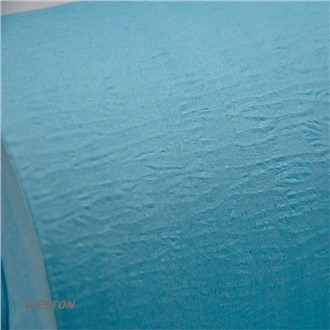
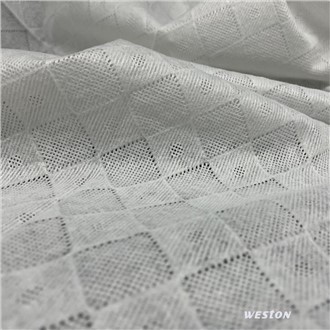
Customizable Size for RV & Workshop Flooring
In an era defined by industrial innovation and environmental accountability, the demand for advanced oil absorbent solutions has reached unprecedented levels. As global manufacturing and automotive sectors evolve, the need for materials that balance performance, durability, and sustainability has become paramount. This article delves into the technical, ecological, and practical dimensions of the top garage oil absorbent mats for 2025, with a focus on customizable solutions tailored for RVs, workshops, and industrial environments. By examining material science breakthroughs, design innovations, and emerging trends, we aim to provide professional buyers with actionable insights to inform procurement decisions.
Material Science: The Foundation of High-Performance Absorption
The efficacy of oil absorbent mats hinges on their underlying material composition. Traditional materials like sawdust and clay have long been used, but they suffer from inherent limitations: low absorption capacity, poor retention, and environmental harm. Modern solutions, however, leverage cutting-edge nonwoven technologies to address these challenges.
Spunlace Nonwoven Technology
Spunlace nonwoven materials, a cornerstone of contemporary absorbent design, are engineered through high-pressure water jets that interlock fibers into a dense, three-dimensional matrix. This process creates a network of microchannels optimized for capillary action, enabling rapid oil uptake while repelling water. For instance, advanced spunlace structures can achieve absorption rates of up to 22–83 grams of oil per gram of material, far exceeding conventional alternatives.
Weston's Oil-Absorbent Spunlace Nonwoven Table Mats exemplify this innovation. By integrating hydrophobic polypropylene fibers with hydrophilic cellulose, these mats achieve dual functionality: they efficiently trap oil while resisting water ingress, ensuring long-term performance in humid or wet environments. The material's molecular structure, reinforced by thermal bonding, also enhances mechanical strength, reducing tearing during heavy-duty use.
Biodegradable Alternatives
As environmental regulations tighten, biodegradable materials are gaining traction. Natural fibers like bamboo and cotton, combined with bio-based polymers, offer a sustainable alternative to petroleum-derived products. Bamboo, in particular, boasts inherent antimicrobial properties and a porous structure that enhances oil retention. Weston's Bamboo Kitchen Cloths For Food Residue Cleanup, for example, utilize cross-linked bamboo fibers to create a textile that absorbs 3–5 times its weight in oil while breaking down naturally over time.
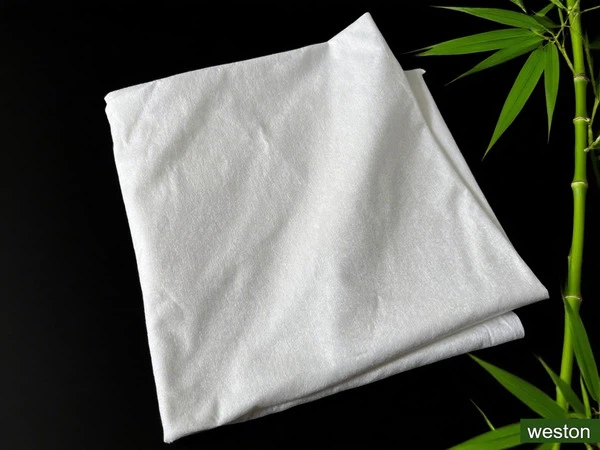
However, biodegradable materials are not without drawbacks. Their absorption capacity and durability often lag behind synthetic counterparts, and they may degrade prematurely in harsh industrial settings. Striking a balance between eco-friendliness and performance remains a key challenge for manufacturers.
Design Innovation: Customization for Diverse Applications
One size does not fit all in industrial flooring. RVs, workshops, and garages have unique spatial and operational requirements, necessitating customizable solutions.
Modular Sizing and Adaptability
The 2025 market emphasizes tailored dimensions to accommodate irregular spaces. For RVs, where floor layouts vary widely, mats that can be cut to size without compromising integrity are essential. Weston's Garage Oil Mats feature a non-slip backing layer and reinforced edges, allowing precise trimming while maintaining structural stability. Similarly, workshop flooring demands large, seamless mats to cover sprawling areas, reducing tripping hazards and enhancing safety.
Multi-Layered Construction
Advanced mats often incorporate composite designs for enhanced functionality. A typical structure might include:
Top Layer: Ultra-absorbent spunlace nonwoven for oil capture.
Core Layer: Hydrophobic barrier to prevent oil seepage.
Base Layer: Textured surface for grip and durability.
This architecture ensures that oils are trapped at the surface, preventing contamination of underlying surfaces. For extreme environments, manufacturers may add flame-retardant or chemical-resistant coatings to meet industry standards.
Ease of Maintenance
Reusability is a critical factor for cost-conscious buyers. Many modern mats are washable and retain their absorption capacity after multiple cycles. However, frequent laundering can degrade fiber integrity over time, necessitating periodic replacements.
Performance Metrics: Balancing Absorption and Longevity
When evaluating oil absorbent mats, professionals must consider both immediate and long-term performance.
Absorption Speed and Capacity
The rate at which a mat absorbs oil is influenced by its porosity and fiber arrangement. Spunlace materials, with their interconnected microchannels, achieve absorption times as low as 10–24 seconds for light oils, making them ideal for rapid spill containment. Heavy oils, however, may require denser materials or longer contact times.
Mechanical Durability
Workshop environments subject mats to constant foot traffic, tool drops, and chemical exposure. High-strength nonwoven materials, reinforced with thermoplastic polymers, can withstand repeated abrasion without tearing. Weston's mats, for instance, undergo rigorous testing to ensure they maintain 90% of their tensile strength after 1,000 cycles of compression.
Environmental Resistance
Oils, solvents, and extreme temperatures can degrade materials over time. Polypropylene-based mats offer excellent resistance to hydrocarbons but may warp at high temperatures. Conversely, polyester blends retain shape under heat but are less effective at oil absorption. Choosing the right material depends on the specific operational conditions.
Sustainability: The Future of Industrial Flooring
As global carbon neutrality goals take center stage, sustainability is no longer a niche consideration-it is a business imperative.
Biodegradable and Recyclable Solutions
Biodegradable mats, composed of plant-based fibers or bio-polymers, offer a circular economy alternative. When discarded, they decompose naturally, reducing landfill waste. However, their adoption is hindered by higher production costs and lower performance in demanding applications. Recyclable mats, on the other hand, can be processed into new materials, but this requires specialized infrastructure.
Weston's commitment to sustainability is evident in its Bamboo Kitchen Cloths, which are certified compostable and manufactured using water-saving spunlace technology. By minimizing chemical usage and energy consumption, these products align with EU REACH and U.S. EPA guidelines.

Life Cycle Assessment (LCA)
A comprehensive LCA evaluates a product's environmental impact from raw material extraction to disposal. For oil absorbent mats, key factors include:
Carbon Footprint: Energy-intensive manufacturing processes.
Water Usage: Spunlace production requires significant water, though closed-loop systems can mitigate this.
Waste Generation: Non-biodegradable mats contribute to plastic pollution.
Manufacturers like Weston are investing in renewable energy sources and water recycling to reduce their ecological footprint.
Emerging Trends: Smart Materials and Digital Integration
The next frontier in oil absorbent technology lies in intelligent materials and IoT-enabled systems.
Smart Absorbents
Smart materials respond dynamically to environmental cues. For example, pH-responsive mats can switch between oil and water absorption modes based on chemical exposure. Similarly, photothermal materials like molybdenum disulfide-coated sponges use sunlight to heat and liquefy viscous oils, enhancing absorption rates. While these technologies are still in the R&D phase, they promise to revolutionize spill management.
Digital Monitoring
IoT sensors embedded in mats can track absorption levels, humidity, and temperature in real time. This data allows facility managers to optimize maintenance schedules and reduce waste. For instance, a mat nearing saturation could trigger an alert, prompting replacement before a spill occurs.
Practical Considerations for Professional Buyers
Selecting the right oil absorbent mat requires a holistic approach. Here's a structured framework for evaluation:
Application-Specific Needs:
RVs: Lightweight, compact, and odor-resistant.
Workshops: Heavy-duty, chemical-resistant, and easy to clean.
Environmental Compliance: Ensure materials meet local regulations.
Cost-Benefit Analysis:
Compare upfront costs with lifecycle savings from reduced waste and maintenance.
Biodegradable mats may cost more initially but offer long-term environmental benefits.
Supplier Partnerships:
Look for manufacturers that provide free samples for testing (e.g., Weston's info@westonmanufacturing.com).
Prioritize suppliers with transparent sustainability practices and technical support.
A Paradigm Shift in Industrial Flooring
The 2025 landscape for garage oil absorbent mats is characterized by innovation, sustainability, and customization. From spunlace nonwoven materials that redefine absorption efficiency to biodegradable solutions that align with global eco-goals, the industry is undergoing a transformative shift. Professional buyers must navigate this terrain by balancing technical performance, cost, and environmental responsibility.
For those seeking to stay ahead of the curve, Weston Nonwoven offers a range of cutting-edge products, including Garage Oil Mats, Oil-Absorbent Spunlace Nonwoven Table Mats, and Bamboo Kitchen Cloths, all designed to meet the demands of modern industrial environments. To explore these advancements firsthand, contact Weston Nonwoven at info@westonmanufacturing.com for free samples and technical specifications.
In an era where efficiency and sustainability are inseparable, the right choice of oil absorbent mat is not just a purchase-it's an investment in the future of industrial operations.