The Process of Stitch Bonding
Stitch bonding is a sophisticated textile manufacturing method that combines the structural integrity of stitching with the versatility of non-woven fabrics. This innovative process results in a durable material that can be utilized in various applications, from industrial use to consumer products. Understanding how stitch bonding works, its benefits, and its applications can provide valuable insights for professional buyers looking to enhance their product offerings.
Understanding Stitch Bonding
Stitch bonding is a process that involves interlocking fibers using stitching techniques. Unlike traditional weaving, which relies on interlacing yarns, stitch bonding binds fibers together through a series of stitches. This method can use various types of fibers, including synthetic and natural materials, allowing for a wide range of fabric characteristics.
The Stitch Bonding Process
The stitch bonding process can be broken down into several key steps:
Preparation of Fibers: The first step involves selecting and preparing the fibers that will form the base of the fabric. Common choices include polyester, nylon, and viscose. These fibers are often laid out in a web-like structure.
Web Formation: The prepared fibers are arranged into a web, which can be done through air-laying or carding processes. This web serves as the foundation for the stitch bonding.
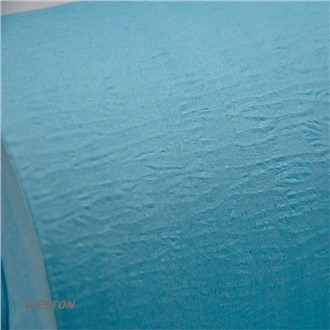
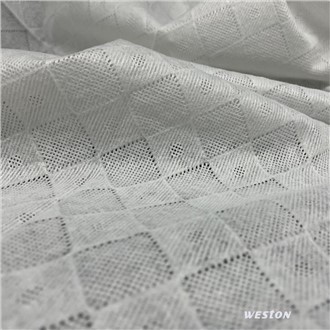
Stitching: The web is then subjected to a stitching process where specialized machines use needles to insert stitches into the fiber web. This can be done in various patterns, depending on the desired properties of the final fabric. The stitches not only bind the fibers together but also create a unique texture.
Finishing Processes: After stitching, additional finishing processes may be applied. This can include treatments for water resistance, softness, or flame retardancy. The finishing steps enhance the fabric's performance characteristics.
Cutting and Packaging: Finally, the stitched fabric is cut into desired sizes and packaged for distribution. This stage ensures that the product meets the specifications required by the end user.
Advantages of Stitch Bonding
Stitch bonding offers several advantages that make it an attractive option for manufacturers and buyers alike:
Durability and Strength

The stitching process creates a robust fabric that can withstand significant stress and wear. This durability is particularly beneficial in applications requiring heavy-duty performance, such as in Heavy-duty Machine & Part Wiping or Automotive Workshop Spunlace Degreasing Rags. The fabric's ability to retain its integrity under pressure ensures that it can fulfill demanding roles without failure.
2. Versatility
Stitch bonded fabrics can be tailored to meet a variety of needs. By adjusting the types of fibers used and the stitching patterns applied, manufacturers can create materials that serve specific functions, from lightweight non-wovens for personal care to heavier fabrics for industrial applications.
3. Cost-Effectiveness
The stitch bonding process is often more cost-effective than traditional weaving, as it can utilize less expensive fibers and requires less energy during production. This efficiency can translate into savings for buyers without compromising on quality.
4. Lightweight and Breathable
Stitch bonded fabrics are typically lighter than their woven counterparts, making them ideal for applications where weight is a concern. Additionally, the stitching can create a breathable structure, which is advantageous in products like medical textiles and clothing.
Applications of Stitch Bonded Fabrics
The versatility of stitch bonded fabrics allows for their use in a range of industries and applications:
1. Automotive Industry
In the automotive sector, stitch bonded fabrics are commonly used for interior components, sound insulation, and filtration. The durability and strength of these materials make them suitable for demanding environments, ensuring they can withstand the rigors of daily use.
2. Industrial Wiping and Cleaning
Stitch bonded fabrics are particularly popular in industrial settings for Heavy-duty Machine & Part Wiping. Their strength and absorbency make them ideal for cleaning applications, where reliability and performance are crucial.
3. Personal Care Products
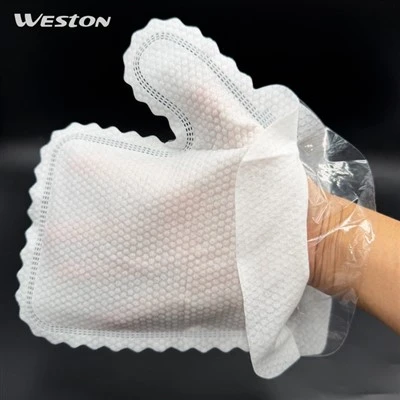
The softness and comfort of stitch bonded fabrics make them suitable for personal care items, such as wipes and medical textiles. Their ability to wick moisture away from the skin enhances user comfort, making them a preferred choice in hygiene applications.
4. Upholstery and Furnishings
Stitch bonded fabrics are also used in upholstery and furnishings, providing both aesthetic appeal and functional strength. Their versatility allows for creative applications in home and office environments.
Challenges and Considerations

While stitch bonding presents numerous advantages, there are also challenges associated with this manufacturing process:
1. Limited Fiber Compatibility
Not all fibers are suitable for stitch bonding. Manufacturers must carefully select fibers that can withstand the stitching process without compromising the fabric's integrity. This limitation can influence the final product's characteristics.
2. Production Complexity
The stitch bonding process can be more complex than traditional methods, requiring specialized machinery and skilled labor. This complexity can lead to longer lead times and higher initial setup costs.
3. Potential for Pilling
Depending on the fibers used, stitch bonded fabrics may be prone to pilling, which can affect the fabric's appearance and performance. Manufacturers must consider this when designing products.
The Role of Weston Nonwoven
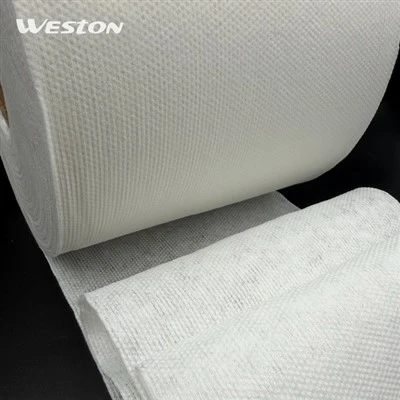
Weston Nonwoven specializes in producing high-quality stitch bonded fabrics, including Heavy Duty Stitch Bonded Nonwoven Fabric. By leveraging advanced manufacturing techniques and a commitment to innovation, Weston delivers products that meet the diverse needs of various industries. Their expertise in stitch bonding ensures that buyers receive reliable materials that enhance their product offerings.
Incorporating stitch bonded fabrics into your product line can enhance performance and efficiency. As market demands evolve, understanding the advantages and applications of this innovative fabric can position professional buyers at the forefront of the textile industry. By choosing products from Weston Nonwoven, you are not only investing in quality but also embracing the future of textile innovation.