In the realm of nonwoven fabrics, spunlace has emerged as a versatile and innovative material, often raising questions about its composition and environmental impact. As a professional buyer, understanding the nuances of spunlace fabric is essential for making informed decisions. This article delves into the characteristics of spunlace, its applications, and the implications of its use, particularly in relation to sustainability and performance.

What is Spunlace?
Spunlace is a type of nonwoven fabric that is produced by entangling fibers through the use of high-pressure water jets. This process creates a fabric that is both strong and soft, making it suitable for various applications, from hygiene products to industrial uses. Unlike woven fabrics, which are made by interlacing threads, spunlace relies on the mechanical entanglement of fibers, resulting in a material that possesses unique qualities.
Composition of Spunlace
One of the critical questions surrounding spunlace is its composition. Spunlace fabrics can be made from a variety of fibers, including natural fibers such as cotton and wood pulp, as well as synthetic fibers like polyester and polypropylene. The choice of fiber greatly influences the fabric's properties, including softness, absorbency, and durability.
Natural vs. Synthetic Fibers
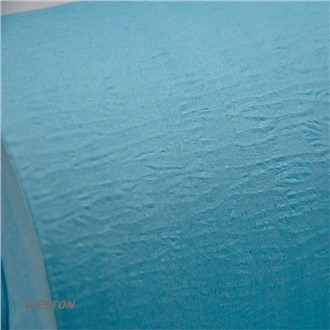
Natural Fibers: Fabrics made from natural fibers, such as Eco-Friendly Lyocell Spunlace Fabric, are often more biodegradable and have a lower environmental impact. They are also known for their breathability and comfort, making them ideal for personal care products.
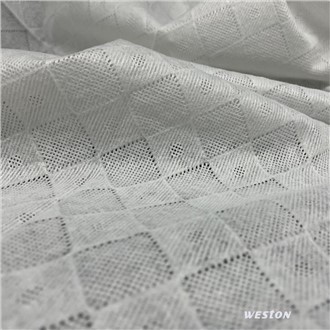
Synthetic Fibers: On the other hand, spunlace made from synthetic fibers tends to offer enhanced durability and resistance to moisture. High-Tensile Wood Pulp Fabric is an example of a spunlace product that combines the benefits of natural fibers with added strength.
Understanding the fiber composition allows buyers to select the right spunlace for their specific needs while considering environmental implications.
Advantages of Spunlace
Spunlace fabrics present a myriad of advantages, making them increasingly popular in various industries.

1. Versatility
Spunlace is incredibly versatile, suitable for applications ranging from medical wipes to automotive interiors. Its ability to be customized in terms of weight, texture, and composition allows manufacturers to meet diverse requirements.
2. Softness and Comfort
One of the standout features of spunlace is its softness. Products such as non-woven spunlace dust covers and personal care wipes benefit from this characteristic, enhancing user experience.
3. Absorbency
Spunlace fabrics, particularly those made from wood pulp, exhibit excellent absorbency. This quality is essential for products like cleaning wipes and absorbent pads, where moisture management is critical.
4. Eco-Friendly Options
With increasing consumer demand for sustainable products, manufacturers are turning to eco-friendly spunlace options. The use of renewable fibers, such as Lyocell, presents a compelling solution for environmentally conscious buyers.
5. Strength and Durability
High-tensile spunlace fabrics offer exceptional strength, making them suitable for industrial applications where durability is paramount. This characteristic reduces the likelihood of tearing or fraying, extending the product's lifespan.
Disadvantages of Spunlace
Despite its many advantages, spunlace is not without its drawbacks.
1. Cost Considerations
While spunlace offers numerous benefits, the production process can be more complex compared to traditional fabrics. This complexity may lead to higher costs, which can be a consideration for budget-conscious buyers.
2. Limited Heat Resistance
Spunlace fabrics may have limited resistance to high temperatures, which can restrict their use in certain applications. Buyers must evaluate the intended use to ensure the fabric's properties align with their requirements.
3. Environmental Concerns with Synthetic Fibers
While natural fiber spunlace is eco-friendly, those made from synthetic fibers can pose environmental challenges. The production and disposal of synthetic materials can contribute to pollution and waste.

Applications of Spunlace
The applications of spunlace are vast and varied, reflecting its adaptability in different sectors.
1. Hygiene Products
Spunlace is widely used in the production of wet wipes, diapers, and feminine hygiene products. Its softness and absorbency make it ideal for direct contact with skin.
2. Medical Applications
In the medical field, spunlace is utilized for surgical gowns, drapes, and wipes. The fabric's strength and resistance to contaminants are crucial in maintaining hygiene standards.
3. Industrial Uses
Spunlace fabrics are increasingly being adopted in industrial settings for products like dust covers and cleaning materials. Their durability and effectiveness in trapping dust and debris make them valuable in maintenance and cleaning operations.
4. Consumer Products
From cleaning wipes to packaging materials, spunlace is found in many consumer products. Its versatility allows manufacturers to create tailored solutions for various needs.
Sustainability and Environmental Impact
The sustainability of spunlace fabrics is a topic of growing importance. As consumers become more environmentally conscious, the demand for eco-friendly materials rises.
Eco-Friendly Alternatives
Products like Eco-Friendly Lyocell Spunlace Fabric, made from sustainable wood sources, are gaining traction. These materials not only reduce environmental impact but also provide high performance and comfort.
Life Cycle Assessment
Conducting a life cycle assessment (LCA) of spunlace products can provide valuable insights into their environmental impact. This assessment evaluates the entire lifecycle of the fabric, from raw material extraction to disposal, highlighting areas for improvement.
Recycling and Disposal
Efforts to improve the recyclability of spunlace materials are underway. Buyers should consider the end-of-life options for spunlace products, ensuring that they align with sustainable practices.
The Future of Spunlace Fabrics
As technology advances, the future of spunlace fabrics looks promising. Innovations in fiber production and manufacturing processes are likely to enhance the properties of spunlace, improving performance while minimizing environmental impact.
Research and Development
Investing in research and development can lead to the creation of new spunlace materials that offer even greater sustainability and functionality. Collaboration between manufacturers, researchers, and buyers will be crucial in driving these innovations.
Consumer Awareness
Educating consumers about the benefits and applications of spunlace fabrics can foster greater acceptance and demand for these materials. Informative campaigns highlighting eco-friendly options and their advantages can enhance market penetration.
Final Thoughts
In considering spunlace, it is essential to weigh its advantages against its drawbacks. This fabric offers versatility, softness, and eco-friendly options, but buyers must remain mindful of costs, environmental implications, and specific application needs. The growth of spunlace in the market signifies an evolution toward more sustainable and functional materials.
For those interested in exploring high-quality spunlace fabric options, including Eco-Friendly Lyocell Spunlace Fabric and High-Tensile Wood Pulp Fabric, Weston Manufacturing offers a range of products designed to meet diverse needs. For inquiries or to request free samples, reach out at info@westonmanufacturing.com.
Understanding spunlace is not just about its immediate benefits but also about recognizing its potential role in shaping a more sustainable future in textiles.