The Science Behind the Surprising Answer
Let's cut to the chase: you've probably spotted "wood pulp" on a food label or heard rumors about it in snacks, and now you're asking-can I actually eat this stuff, and will it hurt me? The short answer: it depends on the type of wood pulp. But the long answer? It's a fascinating mix of chemistry, food science, and knowing the difference between "made for mouths" and "made for industry." Let's break it down, no jargon required.
1. What Even Is Wood Pulp, Chemically Speaking?
First, let's get back to basics: wood pulp is mostly cellulose-a long, stringy molecule that makes up the cell walls of plants (think: the "skeleton" of trees). Here's the key science: humans don't have the enzyme (called cellulase) needed to break down cellulose's unique structure (beta-1,4 glycosidic bonds, if you want the fancy term). That means any cellulose we eat passes through our digestive system mostly unchanged.
But wait-isn't that a bad thing? Not necessarily. Cellulose is the backbone of dietary fiber, which our gut does benefit from. The confusion starts when people lump all wood pulp together: the stuff in your cereal is not the same as the stuff in paper towels or hygiene products. To judge safety, we first need to split wood pulp into two categories: edible-grade and industrial-grade.
Edible-Grade Wood Pulp: When It's Safe (and Why)

Edible-grade wood pulp is exactly what it sounds like: processed specifically to be eaten, often labeled as "cellulose" or "microcrystalline cellulose" on food labels. It's made by treating wood (usually softwoods like pine or spruce) with gentle chemicals to remove impurities (like lignin, which gives wood its brown color and bitter taste) and grind it into a fine powder or gel.
The Pros of Edible-Grade Wood Pulp
It's a fiber powerhouse: Since it's indigestible, it acts like any other fiber-adding bulk to stool to prevent constipation, feeding the good bacteria in your gut (a win for gut health), and keeping you full longer (great for weight management).
It's a low-calorie food additive: Food manufacturers use it to replace sugar, fat, or flour in products like low-fat yogurt, baked goods, or protein bars. It adds texture without extra calories, which is why it's so common in "light" or "diet" snacks.
It's rigorously tested: Regulators (like the U.S. FDA or EU's EFSA) have reviewed edible-grade wood pulp and deemed it "Generally Recognized as Safe (GRAS)" when used in reasonable amounts. Studies show it doesn't interact with medications or block nutrient absorption (as long as you don't overdo it).
The Cons (Yes, There Are Some)
Too much can cause gut trouble: Eat a pound of cellulose powder, and you'll likely deal with bloating, gas, or even diarrhea-just like eating too much broccoli or bran. Moderation is key.
It's not a "superfood": It provides fiber, but no vitamins, minerals, or protein. It's a supplement to a balanced diet, not a replacement for whole foods like fruits or vegetables.
It might irritate sensitive guts: People with irritable bowel syndrome (IBS) or inflammatory bowel disease (IBD) sometimes react to large amounts of insoluble fiber (which edible-grade wood pulp mostly is). If you have gut issues, start small and see how your body responds.
3. Industrial-Grade Wood Pulp: The "Do Not Eat" Zone
Now, let's talk about the other side: industrial-grade wood pulp. This is the stuff used to make paper, packaging, textiles, and nonwoven products-and it's not meant for eating. Here's why it's unsafe:
The Risks of Industrial-Grade Wood Pulp
Chemical residues: Industrial processing uses harsher chemicals (like chlorine for bleaching, or strong alkalis to break down wood) that aren't removed completely. Ingesting these residues could cause nausea, vomiting, or long-term damage to your liver or kidneys.
Rough, unrefined fibers: Industrial pulp is ground into thicker, coarser fibers-great for strength (think: paper towels) but terrible for your digestive tract. These fibers can scratch the lining of your esophagus, stomach, or intestines, leading to inflammation or even tears.
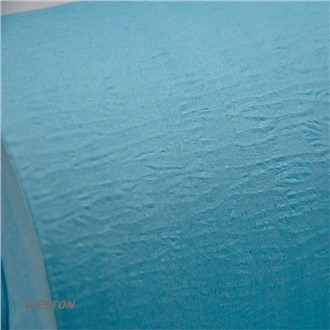
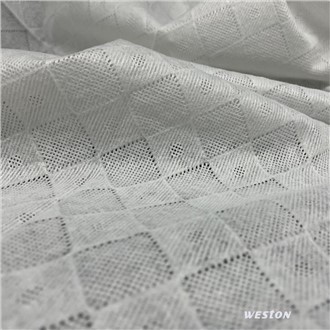
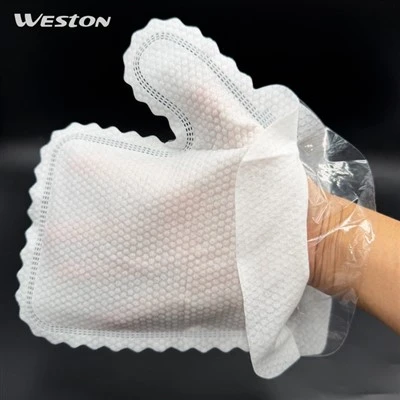
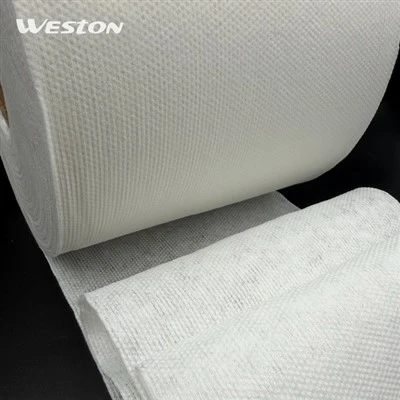
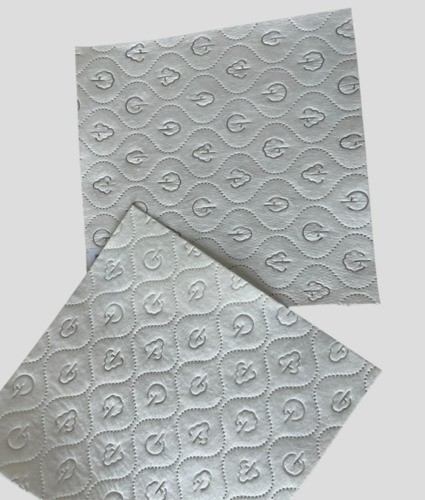
Added additives: Many industrial wood pulp products have extra ingredients for functionality. For example, Weston Nonwoven- a company that makes industrial nonwovens-uses wood pulp in products like Wood Pulp Spunlace Nonwoven Perforated Roll (for hygiene product bases), Customizable Two-Layer Composite Nonwoven (for absorbent layers), and Fluff Pulp PP Absorbent Layer (for medical or personal care items). These products might include binders, waterproofing agents, or dyes that are toxic if swallowed. Even their Spunlace Nonwoven Paper Towel For Hand Drying-designed to soak up water, not food-has coatings that aren't safe to ingest.
The bottom line: Industrial wood pulp is engineered for durability, not digestibility. If it's not labeled for food use, don't put it in your mouth.
4. Common Myths About "Eating Wood Pulp" Debunked
Let's squash some of the biggest misconceptions floating around-because bad info leads to unnecessary fear (or risky choices).
Myth 1: "Wood pulp in food is just plastic in disguise."
Nope. Plastic is made from petroleum; wood pulp is plant-based. Edible-grade cellulose is 100% natural and breaks down in the environment (unlike plastic). The confusion comes from texture-some cellulose-based products (like low-fat cheese) have a "synthetic" feel, but that's just the fiber's texture, not plastic.
Myth 2: "Eating wood pulp means you're 'eating trees'-gross!"
Technically, yes-but it's no different than eating cotton candy (which is sugar, from sugarcane) or spinach (which is cellulose, too!). Edible-grade wood pulp is so processed that it has no "woodsy" taste or texture. It's just a neutral, powdery fiber that blends into food.
Myth 3: "All wood pulp is the same-if one is safe, they all are."
This is the most dangerous myth. As we've covered, edible-grade pulp goes through gentle processing to remove toxins and refine fibers; industrial pulp does not. A spoonful of edible cellulose from your cereal is safe; a bite of a Wood Pulp Spunlace Nonwoven Perforated Roll (Weston's industrial product) is not. Always check the intended use!
5. How to Tell Safe vs. Unsafe Wood Pulp in Daily Life
Wondering how to apply this to your grocery list or household? Here are three simple rules:
Check the label: If it's in a food product, the ingredient list will say "cellulose," "microcrystalline cellulose," or "methylcellulose"-all edible-grade terms. If it's a non-food item (paper towels, diapers, cleaning wipes), it won't have a food label-so keep it away from your mouth.
Think about the product's purpose: A protein bar is made to be eaten; a Spunlace Nonwoven Paper Towel For Hand Drying (Weston's product) is made to dry hands. If it's not designed for ingestion, don't test it.
Stick to moderation with edible pulp: Even safe fiber can cause issues if you overeat it. Aim for the recommended daily fiber intake (25g for women, 38g for men) from a mix of wood pulp-added foods and whole foods.
6. A Quick Note on Industrial Wood Pulp Products (Including Weston's)
While we're on the topic of industrial wood pulp, it's worth clarifying: companies like Weston Nonwoven make these products to solve real-world problems-absorbing moisture in diapers, creating strong bases for medical bandages, or making durable hand towels. Their Customizable Two-Layer Composite Nonwoven and Fluff Pulp PP Absorbent Layer are designed for performance, not palatability. These are useful products-just not for snacking.
If you're curious about Weston Nonwoven's industrial wood pulp offerings (and want to see how they're used in non-food settings), you can request a free sample by emailing info@westonmanufacturing.com. Just remember: even if you get a sample, keep it out of the kitchen!
Wrapping It Up
So, is wood pulp safe to eat? Yes-if it's edible-grade, used in moderation, and you don't have a sensitive gut. No-if it's industrial-grade, designed for paper, nonwovens, or other non-food uses. The key isn't to fear wood pulp; it's to understand what it is, where it comes from, and whether it's made for your mouth or for industry.
Next time you see "cellulose" on a food label, you can breathe easy: it's just fiber doing its job. And if you see a Wood Pulp Spunlace Nonwoven Perforated Roll or Fluff Pulp PP Absorbent Layer? Appreciate its functionality-but pass on taking a bite.