The Science Behind Viscose: Unraveling Biodegradability in Modern Textiles
In the era of sustainable material innovation, one question echoes across industries: Is viscose fabric biodegradable? This query, deceptively simple, unlocks a complex dialogue about molecular structures, environmental conditions, and the responsibility of manufacturers to align product lifecycles with planetary boundaries. For professional buyers navigating the maze of eco-claims, understanding viscose's biodegradability is not just a matter of compliance-it's a strategic decision that impacts brand reputation, operational efficiency, and long-term sustainability goals.
Viscose at the Molecular Level: Why Structure Dictates Destiny
Viscose, derived from cellulose-the most abundant organic polymer on Earth-begins its life as a natural substance. Sourced from wood pulp, bamboo, or cotton linters, cellulose is a chain of glucose molecules, a structure that microorganisms have evolved to digest over millions of years. This biological affinity is the first clue to viscose's biodegradable potential.
But viscose is not raw cellulose. It undergoes a chemical transformation: cellulose is dissolved in a solvent, extruded into fibers, and spun into fabric. This process, while preserving the polymer's core structure, introduces variables that can alter biodegradability. For example, residual chemicals from manufacturing or cross-linking agents used to enhance durability may slow microbial breakdown. The key distinction lies in whether these modifications compromise the integrity of the cellulose chain-a factor that determines whether the material can ultimately return to natural cycles.

The Degradation Timeline: Context Matters
Biodegradability is not an either/or trait; it's a spectrum influenced by environment. In industrial composting facilities-with controlled temperatures (50–60°C), moisture, and oxygen-high-quality viscose can decompose in as little as 4–6 weeks. In soil, the process slows to 2–3 months, while in marine environments, it may take 6–12 months due to lower microbial activity and temperature fluctuations.
This variability underscores a critical point: Biodegradability is only meaningful when paired with end-of-life infrastructure. A viscose wipe designed for industrial use, for instance, can fulfill its eco-promise if diverted to a composting facility. Conversely, if discarded in a landfill-where oxygen and moisture are scarce-even the most biodegradable viscose will degrade slowly, releasing methane, a potent greenhouse gas.
Design choices play a pivotal role here. Materials engineered with intentional disposal cues, such as color-coding for compostability, can guide users toward optimal end-of-life pathways. More importantly, compositions free from synthetic additives ensure that even in suboptimal conditions, the material breaks down more rapidly than petroleum-based alternatives, which can persist for centuries.
Viscose vs. Synthetics: A Comparative Lens
To appreciate viscose's biodegradable potential, compare it to petroleum-based textiles. Polyester, a common nonwoven material, is derived from plastic and does not biodegrade; instead, it fragments into microplastics, contaminating ecosystems. Polypropylene, another staple, may take 20–30 years to decompose in soil, and even then, leaves behind toxic residues.
Viscose, by contrast, is a bridge between natural and synthetic worlds. It offers the strength and versatility of man-made fibers while retaining the biodegradable core of its plant origin. This duality makes it ideal for applications where performance and sustainability are equally critical-such as medical settings, where single-use products must meet strict hygiene standards without creating permanent waste.
The environmental footprint of viscose further distinguishes it. While synthetic fibers rely on fossil fuels for production, viscose's plant-based feedstock sequesters carbon during growth, creating a more balanced lifecycle. This distinction is not trivial: the textile industry accounts for 10% of global carbon emissions, making material choices a powerful lever for reducing environmental impact.
Challenges in Viscose Production: The Hidden Trade-Offs
While viscose's biodegradability is a strength, its manufacturing process is not without environmental costs. Traditional viscose production uses carbon disulfide, a toxic chemical linked to worker health risks and air pollution. Additionally, sourcing wood pulp from unsustainable forests can lead to deforestation, undermining the material's eco-credentials.
These challenges are not inherent to viscose itself but to outdated production methods. Innovations in closed-loop manufacturing-where solvents are recycled rather than released into the environment-have drastically reduced the industry's footprint. Modern facilities employ solvent recovery systems that recapture over 99% of chemicals, minimizing both waste and toxicity.
This progress matters because a material's sustainability is only as strong as its entire lifecycle. A biodegradable viscose product made with virgin pulp from clear-cut forests is not truly eco-friendly. By prioritizing responsible sourcing and clean manufacturing, producers can ensure that viscose delivers on its biodegradable promise without compromising other environmental values.
The Degradation Process: How Microorganisms Drive Breakdown
Biodegradation of viscose is a biological process driven by microorganisms-bacteria, fungi, and enzymes-that metabolize cellulose. These organisms secrete cellulases, enzymes that break the glycosidic bonds in cellulose chains, converting them into glucose. The glucose is then consumed by the microorganisms, releasing carbon dioxide and water as byproducts-completing a natural cycle.
The efficiency of this process depends on three factors: material purity, environmental conditions, and microbial activity. Viscose with minimal chemical treatments degrades faster, as additives can act as inhibitors. Warm, moist environments with high oxygen levels-such as compost piles-accelerate microbial activity, while anaerobic conditions, like landfills, slow it down.
This biological mechanism explains why viscose outperforms synthetics in end-of-life scenarios. While synthetic fibers resist microbial attack, viscose's chemical structure is inherently compatible with natural degradation processes, making it a more sustainable choice for single-use applications.
Applications: Where Biodegradability Adds Value
Viscose's biodegradability is not just an environmental benefit-it's a functional advantage in specific sectors:
1. Single-Use Hygiene Products
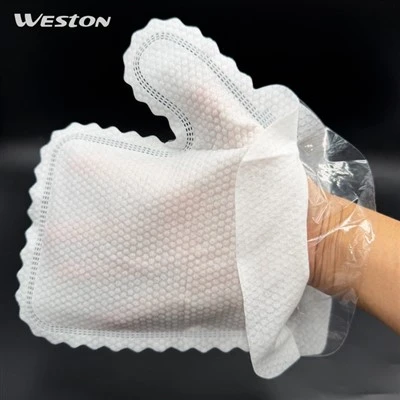
From facial wipes to industrial cleaning cloths, single-use items generate massive waste. Viscose's ability to decompose makes it a game-changer here. Nonwoven viscose fabrics are used in everything from baby wipes to restaurant sanitizing cloths, offering convenience without the long-term environmental burden.
2. Medical and Pharmaceutical Settings
The medical industry relies on single-use products to prevent cross-contamination, but this creates significant waste. Viscose-based wipes degrade after use, reducing the volume of hazardous waste sent to landfills. Their natural composition also minimizes the risk of skin irritation, a critical factor in patient care.
3. Agriculture and Horticulture
Viscose nonwovens are used as mulch covers or seedling wraps, where they protect crops while gradually decomposing, enriching the soil. Unbleached, chemical-free variants are particularly suited to organic farming, where synthetic inputs are prohibited.
4. Food Service
In commercial kitchens, disposable wipes are essential for maintaining hygiene. Viscose variants break down quickly, aligning with foodservice's growing focus on reducing environmental impact. Their absorbency-superior to many synthetics-also makes them more efficient, reducing overall usage.
The Future of Viscose: Innovation in Sustainability

As demand for biodegradable materials grows, viscose is evolving. Researchers are exploring ways to enhance its degradation rate through enzyme treatments or blending with other natural fibers like hemp or flax. Others are focusing on reducing the water and energy footprint of production, making viscose even more eco-efficient.
Next-generation viscose fabrics may incorporate cellulose nanocrystals-reinforcements derived from agricultural waste-to boost strength without sacrificing biodegradability. These innovations reflect a broader truth: Sustainability is a journey, not a destination. Viscose's biodegradable potential is already a step forward, but continuous improvement ensures it remains relevant in a world with ever-stricter environmental standards.
Navigating Misconceptions: Debunking Viscose Myths
Despite its benefits, viscose is often misunderstood. Let's address common myths:
Myth 1: All viscose is equally biodegradable.
Reality: Processing matters. Viscose treated with heavy metals or chemical binders may resist degradation. Pure, minimally processed viscose ensures maximum biodegradability.
Myth 2: Biodegradable viscose is weaker than synthetics.
Reality: Advanced manufacturing processes, such as spunlace technology, create viscose fabrics with tensile strength comparable to polypropylene-without the environmental cost.
Myth 3: Viscose production is always bad for forests.
Reality: Responsible sourcing ensures that wood is harvested sustainably, with forests replanted to maintain carbon sequestration.
The Buyer's Guide: What to Look for in Biodegradable Viscose
For professional buyers, selecting the right viscose product requires scrutiny. Here's what to prioritize:
Composition: Opt for 100% viscose over blends with synthetics, which can hinder biodegradation.
Processing: Choose materials made with water-based or solvent-free methods to ensure the cellulose chain remains uncompromised.
End-of-Life Design: Look for products that include disposal guidance to maximize biodegradation.
Sourcing: Prefer suppliers that transparently source pulp from sustainable forests, aligning with circular economy principles.
Viscose in a Circular Economy: Closing the Loop

Biodegradability is just one piece of the sustainability puzzle. A truly circular approach requires that viscose's lifecycle-from tree to fabric to compost-minimizes waste at every stage. Leading producers embody this by:
Using by-products from timber milling as pulp feedstock, reducing waste.
Recycling process water to minimize consumption.
Designing products for easy composting, ensuring they re-enter the soil as nutrients.
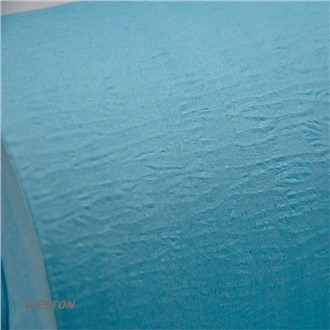
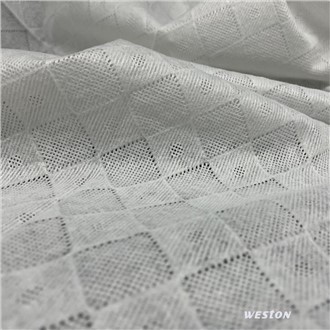
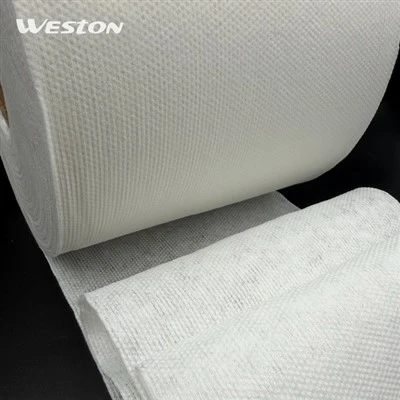
In this context, certain industry leaders offer solutions that align with these principles. For instance, 100% Viscose Spunlace Nonwoven Fabric Rolls leverage water-based entanglement processes to preserve biodegradability, while Light Green Nonwoven Wipe Material uses color-coding to guide proper disposal. Viscose Medical Wipes, sourced from responsibly managed forests, demonstrate how sustainability can be integrated into critical applications.
For inquiries about free samples, customization options, or further details on such viscose products, please contact info@westonmanufacturing.com.
The Biodegradable Future of Viscose
Is viscose fabric biodegradable? The answer is a resounding yes-when produced responsibly. Its ability to return to nature, combined with its versatility, makes it a cornerstone of sustainable textile innovation. For professional buyers, choosing high-quality viscose isn't just an environmental decision; it's a strategic one, aligning with consumer demand, regulatory trends, and the moral imperative to protect our planet.
As the industry evolves, viscose will continue to prove that performance and sustainability are not opposing forces. It's a material for the future-one that cleans, protects, and heals without leaving a lasting scar on the Earth.