In today's environmentally conscious market, the demand for safe, non-toxic fabrics is on the rise. Professional buyers are increasingly aware of the implications that fabric choices can have on consumer health and environmental sustainability. Understanding which fabrics are considered non-toxic and safe can significantly influence purchasing decisions. This article explores the safest fabric options, highlighting their benefits while integrating innovative products from Weston Nonwoven.

Understanding Non-Toxic Fabrics
Non-toxic fabrics are those that do not contain harmful chemicals, dyes, or treatments that could pose health risks to consumers. These fabrics are particularly important for applications in clothing, home textiles, and personal care products. The absence of toxic substances ensures that the fabric is safe for direct contact with skin and the environment.
Key Characteristics of Non-Toxic Fabrics
Natural Fiber Content: Fabrics made from natural fibers such as cotton, linen, and bamboo are typically safer than synthetic options. Natural fibers are biodegradable and often produced without harmful chemicals.
Chemical-Free Processes: Non-toxic fabrics are often produced using methods that avoid harmful dyes, finishes, or treatments. This includes organic farming practices that eliminate the use of pesticides and fertilizers.
Breathability and Comfort: Safe fabrics tend to offer better breathability and comfort, which is crucial for consumer satisfaction. Fabrics that irritate the skin or cause allergic reactions should be avoided.
Best Non-Toxic Fabric Options
1. Organic Cotton
Organic cotton is grown without synthetic pesticides, herbicides, or fertilizers, making it one of the safest fabric choices available. It is soft, breathable, and hypoallergenic, ideal for sensitive skin. Products like Ultra-Soft Cotton Makeup Pads for Sensitive Skin exemplify the benefits of organic cotton, providing a gentle option for skincare routines without the risk of chemical exposure.
2. Linen
Linen, made from the flax plant, is another excellent non-toxic fabric. It is naturally biodegradable and requires fewer chemicals during production compared to cotton. Linen's natural properties include moisture-wicking and breathability, making it suitable for various applications, including clothing and home textiles.
3. Hemp
Hemp is an environmentally friendly fabric known for its strength and durability. It grows quickly and requires minimal water and no pesticides, making it a sustainable choice. Hemp fabric is naturally resistant to mold and UV light, offering a safe option for outdoor textiles.
4. Tencel (Lyocell)
Tencel, or lyocell, is a fiber made from sustainably sourced wood pulp. The production process uses non-toxic solvents that are recycled in a closed-loop system, minimizing environmental impact. Tencel is soft, breathable, and moisture-wicking, making it an excellent choice for clothing and bedding.

Innovative Non-Toxic Alternatives
Microfiber Non Woven Fabric
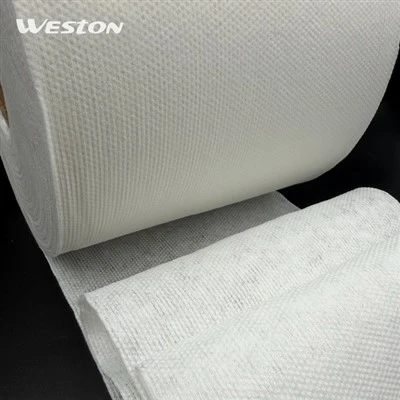
Microfiber Non Woven Fabric is an innovative material that combines the advantages of microfiber with non-woven technology. This fabric is soft, durable, and highly absorbent, making it suitable for various applications, including cleaning products and personal care items. Unlike traditional microfiber, which is often made from polyester, non-woven microfiber can be produced using eco-friendly methods, reducing the environmental footprint.
Paper Alternative Flushable Wipes
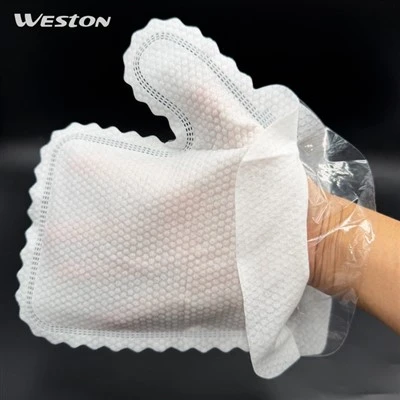
In the realm of personal care, Paper Alternative Flushable Wipes represent a significant advancement in non-toxic fabric options. Made from biodegradable materials, these wipes provide a sustainable alternative to traditional disposable wipes. They are designed to be safe for both the user and the environment, breaking down easily after use and avoiding the harmful effects associated with plastic-based products.
Benefits and Drawbacks of Non-Toxic Fabrics
While the advantages of non-toxic fabrics are clear, it is important to consider potential drawbacks as well.
Advantages
Health Safety: Non-toxic fabrics minimize the risk of skin irritation and allergic reactions, promoting consumer health and well-being.
Environmental Impact: Fabrics made from sustainable sources reduce environmental pollution and contribute to a circular economy through their biodegradability.
Consumer Demand: As awareness of health and environmental issues increases, consumers are actively seeking non-toxic products, providing a competitive edge for brands that prioritize safe fabrics.
Drawbacks
Cost: Non-toxic fabrics can sometimes be more expensive to produce due to sustainable farming and manufacturing practices. This may affect pricing strategies for brands.
Durability: Some natural fibers may not be as durable as synthetic counterparts, potentially impacting the longevity of products.
Availability: Depending on the region, sourcing high-quality non-toxic fabrics may present challenges, limiting options for some buyers.
Future Trends in Non-Toxic Fabrics

The landscape of non-toxic fabrics is continuously evolving, with trends that indicate a growing commitment to sustainability and health.
Innovations in Sustainable Materials
Research and development in sustainable materials are leading to the creation of fabrics that combine performance with eco-friendliness. Innovations such as bio-based synthetic fibers and plant-based dyes are paving the way for more non-toxic options in the textile industry.
Consumer Education
As consumers become more educated about fabric safety, there will be an increasing demand for transparency in sourcing and production practices. Brands that prioritize non-toxic, sustainable fabrics will likely gain consumer trust and loyalty.
Regulatory Changes
Government regulations and certifications focusing on textile safety and environmental impact will shape the market for non-toxic fabrics. Buyers should stay informed about these changes to ensure compliance and maintain competitive advantage.
Selecting the safest non-toxic fabric is essential for both consumer health and environmental sustainability. By opting for materials such as Ultra-Soft Cotton Makeup Pads for Sensitive Skin, Microfiber Non Woven Fabric, and Paper Alternative Flushable Wipes, professional buyers can enhance their product offerings while aligning with consumer expectations for safety and sustainability.
For more information about our innovative non-toxic fabric solutions, please contact Weston Nonwoven at info@westonmanufacturing.com. Our team is here to help you find the perfect products to meet your needs.