Disadvantages of Viscose: A Comprehensive Analysis for Professional Buyers
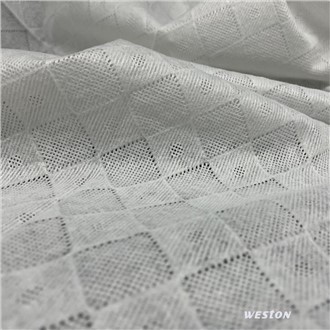
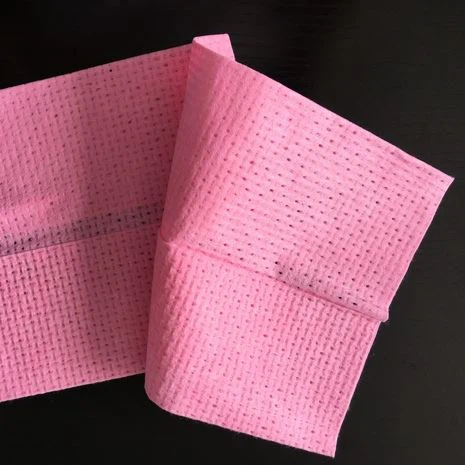
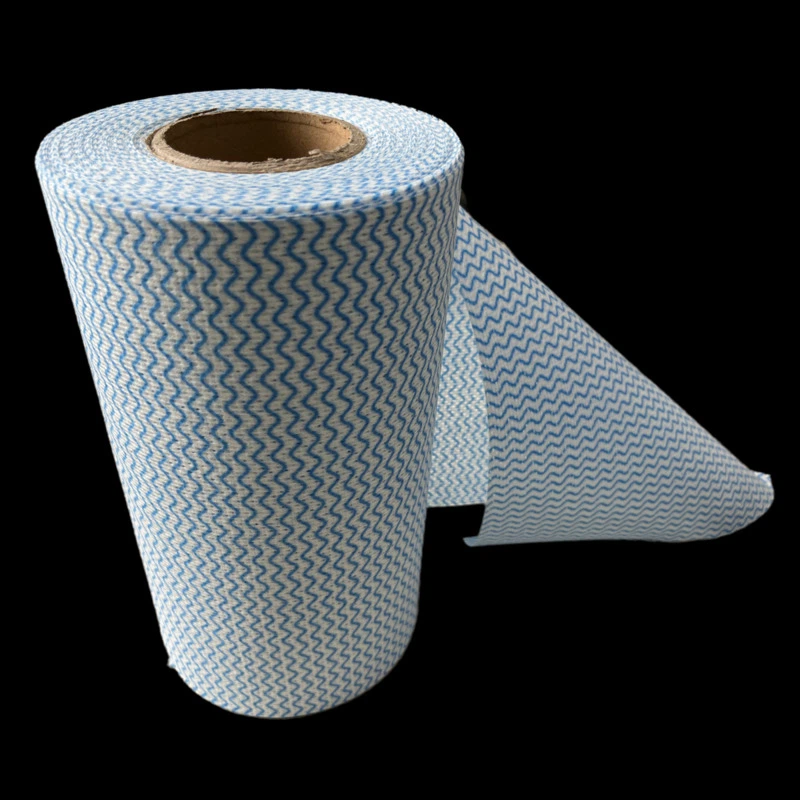
Viscose, a semi-synthetic fiber derived from cellulose, has garnered attention for its versatility and comfort across various applications. However, it is essential for professional buyers to recognize its inherent disadvantages, particularly in products like Cross Viscose Spunlace, 10 Mesh Viscose Spunlace, and Parallel Viscose Spunlace. This analysis provides a structured overview of the limitations associated with viscose, enabling informed decision-making in material selection.
Environmental Impact
One of the most pressing concerns surrounding viscose is its environmental footprint. The manufacturing process employs toxic chemicals, such as carbon disulfide, which present significant risks to both environmental health and worker safety. As sustainability increasingly influences purchasing decisions, the adverse effects linked to viscose production must be carefully considered.
Chemical Pollution
The chemicals used in viscose production contribute to pollution, particularly in water bodies, which can have detrimental effects on aquatic ecosystems. For professional buyers, sourcing materials that prioritize sustainability is crucial, making the environmental implications of viscose a significant consideration.
Durability Issues
While viscose is celebrated for its softness and drape, it often falls short in durability compared to synthetic fibers. This becomes particularly relevant for products that demand long-lasting performance, such as Cross Viscose Spunlace.
Wear and Tear
Viscose fibers are susceptible to wear and tear, which can compromise the integrity of finished products. For professional buyers, evaluating the intended use and expected lifespan of products is vital. In applications requiring high durability, alternative materials may prove more suitable.
Moisture Absorption and Drying Time
Viscose has a high moisture absorbency rate, which can present challenges. While this characteristic can enhance comfort, it also leads to extended drying times. In scenarios where quick drying is essential, such as in medical or hygiene applications, these drawbacks become significant.
Implications for Hygiene Products
For items like 10 Mesh Viscose Spunlace, commonly used in hygiene applications, moisture retention can encourage bacterial growth if not managed properly. This potential risk emphasizes the need for buyers to assess the implications of moisture retention in viscose products.
Limited Color Retention
Although viscose can be dyed in a wide range of colors, it often suffers from limited color retention. After repeated washes or exposure to sunlight, the vibrancy of viscose fabrics can diminish.
Aesthetic Considerations
For buyers in the fashion or textile sectors, the aesthetic appeal of a product is paramount. The likelihood of color fading in viscose products, including Parallel Viscose Spunlace, may reduce their market attractiveness.
Care and Maintenance
Viscose requires careful handling compared to other fibers. It is generally recommended to hand wash or dry clean viscose fabrics, which can be inconvenient for consumers. This requirement may influence purchasing decisions, as buyers often seek materials that are easy to care for.
Consumer Expectations
In a market where convenience is key, the maintenance demands associated with viscose could deter potential customers. Professional buyers must consider how these care requirements align with consumer preferences.
Addressing the Challenges
While the disadvantages of viscose present challenges, they also open avenues for innovation. Companies like Weston Nonwoven offer products that address these limitations, ensuring that buyers can meet both performance and sustainability standards.
By choosing alternatives from Weston Nonwoven, professional buyers can navigate the complexities of viscose while promoting ethical material selections. For those interested in exploring options, free samples are available by contacting info@westonmanufacturing.com.
Understanding the limitations of viscose allows buyers to make informed choices, enhancing both product quality and environmental responsibility.