7 Things to Consider Before Purchasing Bulk Sanitizing Wipes
Bulk sanitizing wipes have become a routine part of daily hygiene in workplaces, public facilities, and industrial environments. They are easy to use, require no additional tools, and help maintain basic sanitation standards. However, purchasing Bulk Sanitizing Wipes in large quantities is not as simple as choosing the lowest-priced option. Behind the packaging are important differences in formulation, fabric structure, safety, and long-term usability.
This article breaks down seven essential factors that buyers should understand before making a bulk purchase. The goal is not to promote a specific product, but to provide practical knowledge that supports informed, responsible decision-making.

1. Clarify the Primary Application First
The most common mistake when purchasing sanitizing wipes is assuming they all serve the same function. In reality, wipes are developed for very different use cases, including surface disinfection, light cleaning, and personal hygiene.
For example, wipes designed for industrial equipment may prioritize strength and chemical resistance, while wipes intended for offices or schools focus on mild formulations and surface compatibility. Using a wipe outside its intended scope can reduce effectiveness or create safety concerns.
Advantages
Correctly matched wipes improve cleaning efficiency
Reduces waste caused by overuse or misuse
Limitations
Specialized wipes may not be versatile across environments
Multi-purpose wipes often compromise on performance
Clearly defining where and how the wipes will be used is the foundation of any smart bulk purchase.
2. Understand Active Ingredients and Their Trade-Offs
Sanitizing wipes rely on chemical formulations to reduce microbial presence. Common ingredients include alcohol, quaternary ammonium compounds, and chlorine-based solutions. Each offers different benefits and drawbacks.
Alcohol-based wipes dry quickly and leave minimal residue, but they evaporate fast and may require frequent replacement. Quaternary ammonium compounds provide longer-lasting surface activity but can leave residues that require follow-up cleaning. Chlorine-based solutions are effective but may damage sensitive materials.
Advantages
Targeted formulations improve sanitation reliability
Certain ingredients offer broad-spectrum effectiveness
Limitations
Strong formulations may irritate skin or damage surfaces
Residue buildup can affect equipment and appearance
Understanding formulation allows buyers to balance performance with safety and maintenance concerns.
3. Wipe Substrate: Why Fabric Quality Matters
The sanitizing solution alone does not determine performance. The wipe fabric controls absorption, strength, and contact time with surfaces. Low-quality substrates tear easily, shed fibers, or fail to hold enough liquid to clean effectively.
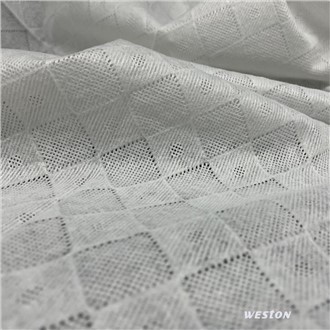
High-quality nonwoven materials, especially spunlace structures, provide a balance of softness, durability, and absorbency. This is where the role of a reliable nonwoven fabric manufacturer becomes important, as fabric consistency directly affects wipe performance.
Advantages
Stronger wipes reduce the number needed per task
Better liquid retention improves sanitation coverage
Limitations
Higher-quality fabrics may increase upfront costs
Not all fabrics are suitable for all chemical formulations
Fabric selection has a direct impact on both cost efficiency and user experience.
4. Packaging and Dispensing Efficiency in Daily Use
Bulk wipes are often used in high-traffic areas, where convenience and hygiene are critical. Poor packaging design can lead to wipes drying out, being contaminated, or being pulled out in multiple sheets at once.
Canisters, soft packs, and refill systems each serve different operational needs. Controlled dispensing helps regulate usage and maintain sanitation standards over time.
Advantages
Proper packaging reduces waste
Sealed systems extend shelf life
Limitations
Inflexible packaging may not suit mobile use
Poor seals lead to evaporation and product loss
Packaging should support how wipes are actually used, not just how they look on a shelf.
5. User Safety and Surface Compatibility
Frequent exposure to sanitizing wipes raises important safety considerations. Skin irritation, respiratory sensitivity, and surface degradation are long-term risks that should not be overlooked.
For shared environments, wipes should be safe for repeated contact with hands and commonly cleaned surfaces such as plastics, metals, and coated materials.
Advantages
Mild formulations support frequent use
Surface-safe wipes reduce long-term damage
Limitations
Gentler wipes may require more effort to clean heavy contamination
Strong sanitizers may need protective handling
Safety is not only about compliance, but about sustaining daily operations without unintended side effects.
6. Evaluating Cost Beyond the Unit Price
Bulk pricing often focuses attention on cost per pack, but this approach can be misleading. The real cost includes how many wipes are used per task, how often wipes dry out, and how well they perform.
A cheaper wipe that tears easily or requires multiple sheets per surface often costs more in practice than a durable alternative.
Advantages
Higher-quality wipes reduce total consumption
Better performance lowers labor time
Limitations
Upfront costs may appear higher
Budget constraints may limit options
Cost evaluation should reflect real-world usage, not just procurement spreadsheets.

7. Supplier Reliability and Production Consistency
Consistency is critical when ordering in bulk. Variations in fabric quality, formulation, or packaging can disrupt cleaning protocols and user expectations.
Working with an experienced supplier-particularly one with in-house nonwoven production-helps ensure stable quality across batches. This is especially relevant for organizations sourcing Bulk Sanitizing Wipes at scale.
Advantages
Stable supply supports long-term planning
Transparent specifications build trust
Limitations
Smaller suppliers may face capacity constraints
Limited communication can delay issue resolution
Reliability is as important as the product itself when sanitation is part of daily operations.
A Practical Note on Manufacturing Support
Some buyers choose to work directly with factories that specialize in wipe substrates and finished products. As a nonwoven fabric manufacturer, Weston Nonwoven focuses on material consistency and application-driven design rather than exaggerated claims. In certain cases, their Bulk Sanitizing Wipes are used as reference solutions for balancing fabric strength, absorbency, and formulation compatibility.
For those interested in evaluating materials firsthand, free sample requests are available via info@westonmanufacturing.com, allowing users to test suitability before committing to bulk orders.
Choosing bulk sanitizing wipes is a technical and operational decision, not a cosmetic one. By understanding application needs, chemical trade-offs, fabric performance, safety considerations, and supplier reliability, buyers can make choices that support effective sanitation while controlling long-term costs and risks.