How Long to Wear Maternity Pads After Delivery?
Understanding Postpartum Bleeding: What the Body Is Doing
After delivery, the body enters an active recovery phase. One of the most visible signs of this process is postpartum bleeding, medically referred to as lochia. This discharge is not a menstrual period. It is the uterus shedding blood, tissue, and residual material left from pregnancy. The amount, color, and duration vary, but the process itself is universal.
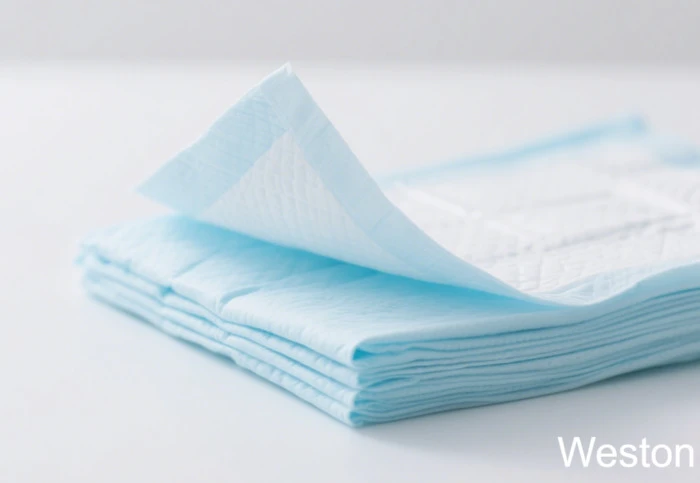
This biological reality is the reason Maternity Pads After Birth exist. They are designed not for convenience, but for protection during a period when the body is healing internally and externally at the same time.
The Three Phases of Lochia and What They Mean for Pad Use
Postpartum bleeding follows a predictable progression, even though timing differs between individuals. Understanding these stages helps determine how long maternity pads are truly needed.
Lochia Rubra: The First Days After Delivery
This phase typically lasts from day one through day four. The flow is heavy and bright red, often similar to or heavier than a strong menstrual period. At this stage:
Frequent pad changes are necessary
High absorbency is essential
Soft, non-irritating materials reduce friction on sensitive skin
Maternity pads are strongly recommended here because regular pads often lack the capacity and surface softness required during this phase.
Lochia Serosa: Gradual Reduction
From around day four to day ten, bleeding usually becomes lighter and shifts to pink or brown tones. While flow decreases, it can still be unpredictable, especially after physical activity or breastfeeding.
During this period, Maternity Pads After Birth continue to provide reliable protection, though some women may choose thinner maternity styles rather than maximum-absorbency options.
Lochia Alba: The Final Healing Stage
From approximately week two up to six weeks postpartum, discharge often becomes yellowish or white. Flow is light, but not fully gone. Many women transition to lighter pads at this stage, but the timing should be based on actual bleeding levels rather than the calendar.
So, How Long Should Maternity Pads Be Worn?
For most women, maternity pads are most useful during the first one to two weeks after delivery. This timeframe covers the heaviest bleeding and the most vulnerable healing window.
However, this is not a strict rule. Some women may need them longer, while others may transition sooner. The correct duration depends on:
Type of delivery (vaginal or cesarean)
Presence of stitches or perineal trauma
Individual healing speed
Daily activity level
The key principle is function. As long as heavy or moderate bleeding continues, maternity pads remain the most appropriate choice.
When Is It Appropriate to Switch to Regular Pads?
Switching from maternity pads to standard sanitary pads should be guided by physical signs, not assumptions.
Indicators That the Body Is Ready
Bleeding no longer soaks a pad within one to two hours
Discharge color has lightened significantly
Swelling and tenderness have decreased
At this point, many women find that thinner pads provide sufficient coverage without sacrificing comfort.
Products to Avoid in Early Recovery
Internal menstrual products are generally discouraged during early postpartum recovery. The cervix and uterus are still healing, and introducing internal products may increase the risk of irritation or infection. External protection remains the safest option during this phase.
Benefits of Using Maternity Pads During Recovery
Maternity pads offer specific advantages that directly support postpartum healing.
High Absorbency Without Compression
Unlike regular pads, maternity pads are designed to absorb larger volumes without pressing tightly against sensitive tissue. This reduces discomfort and minimizes leakage during movement or rest.
Gentle Surface Contact
Soft, breathable nonwoven materials help reduce friction and moisture buildup. This is particularly important for women with stitches or swelling.
Better Hygiene Management
Frequent changes combined with adequate absorbency help maintain a cleaner environment, supporting overall postpartum care.

Potential Drawbacks and How to Manage Them
No product is without limitations. Understanding potential downsides allows for informed use.
Bulkiness
Maternity pads are thicker by design. While this provides protection, it may feel restrictive under clothing. Choosing appropriate clothing and transitioning to lighter options when bleeding decreases can help.
Heat and Moisture
Extended wear without regular changes may lead to warmth or dampness. This is managed through breathable materials and consistent hygiene practices.
Overuse Beyond Necessity
Continuing to use heavy maternity pads after bleeding has significantly decreased may be unnecessary. Listening to bodily signals helps ensure the right product is used at the right time.
Material Quality Matters More Than Many Expect
During postpartum recovery, skin sensitivity is heightened. The materials used in maternity pads play a critical role in comfort and hygiene.
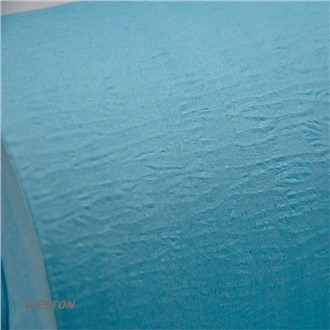
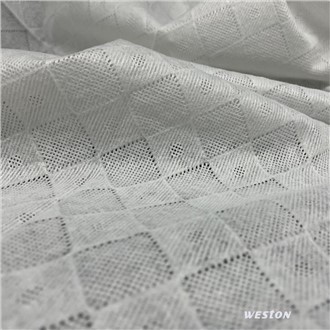
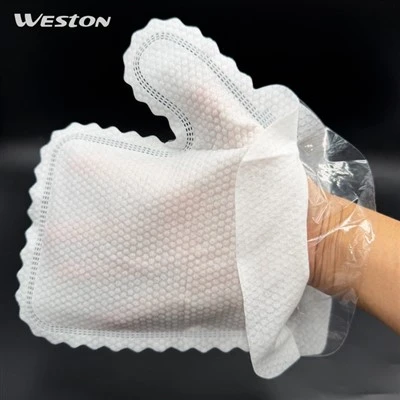
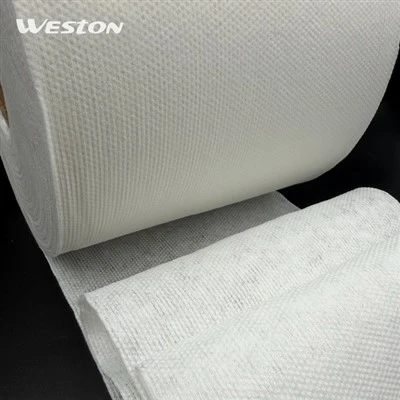
Nonwoven fabrics designed for softness, airflow, and structural integrity offer clear advantages. As a specialized nonwoven manufacturer, Weston Nonwoven focuses on developing materials that balance absorbency, breathability, and skin compatibility-key factors for maternity and medical hygiene applications.
While the end user may not see the fabric structure, the difference is felt during prolonged wear.
Common Misunderstandings About Postpartum Pad Use
Several myths continue to circulate around postpartum care.
Bleeding should stop within a few days
Switching early speeds recovery
All large pads perform the same
In reality, postpartum bleeding can last several weeks, healing cannot be rushed by product choice, and material quality significantly affects comfort and hygiene.
Clear information helps new mothers make decisions based on physiology rather than pressure or comparison.
Listening to the Body, Not the Calendar
Recovery after childbirth is not linear. Bleeding may slow, then temporarily increase with activity. This is normal. The role of Maternity Pads After Birth is to adapt to these changes, not to impose a rigid timeline.
Choosing when to continue or stop using maternity pads should always be guided by:
Actual bleeding volume
Physical comfort
Personal recovery experience
Postpartum care is not about endurance. It is about protection, patience, and practical choices that support the body as it heals.