Is It Better to Use Wipes or Tissue?
Everyday hygiene often feels automatic. We reach for tissue or wipes without thinking much about the skin underneath. Yet skin is not an inert surface. It is a living barrier that reacts to friction, moisture, and repeated contact. Whether wipes or tissue are "better" depends less on preference and more on how skin responds over time.

Skin Is a Barrier, Not Just a Surface
Human skin serves as a protective barrier against moisture loss, irritants, and microbes. The outermost layer, the stratum corneum, is thin and easily disrupted by repeated rubbing or chemical exposure.
Skin sensitivity is not limited to people with diagnosed conditions. Dry environments, aging, frequent cleansing, and stress can all weaken the skin barrier. When this happens, even ordinary hygiene actions can lead to redness, tightness, or discomfort.
This makes the choice between wipes and tissue less trivial than it appears.
How Dry Tissue Interacts With Skin
Tissue works primarily through absorption and friction. It removes moisture and surface debris by direct contact, which makes it effective for quick tasks.
Advantages of tissue use
No added moisture that may remain on the skin
Simple material structure with fewer variables
Useful when the skin is already clean and intact
Limitations for sensitive skin
Repeated dry friction can damage the skin barrier
Less effective at removing oily residues
Can increase dryness when used frequently
For healthy skin used occasionally, tissue is generally well tolerated. Problems tend to appear when dry wiping becomes repetitive, especially on delicate areas or compromised skin.
How Wipes Affect Sensitive or Fragile Skin
Wipes introduce controlled moisture, which changes how friction acts on the skin. When used appropriately, this can reduce mechanical stress during cleaning.
Potential benefits of wipes
Lower friction compared to dry tissue
Better removal of oils and fine particles
Increased comfort for sensitive or irritated skin
Potential drawbacks
Residual moisture may disturb skin balance if not allowed to dry
Additives can trigger reactions in sensitive individuals
Overuse may weaken the skin's natural defenses
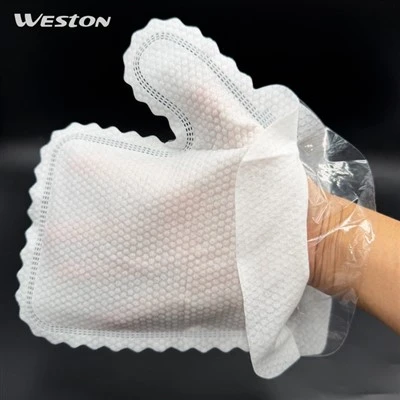
From a skin health standpoint, wipes are tools that must be matched to skin condition. For example, Bamboo Face Tissue Wipes made with soft, uniform fibers are often chosen in contexts where gentleness and reduced irritation are priorities.
Friction, Moisture, and the Skin Barrier
Friction is one of the most underestimated factors in daily hygiene. Dry friction increases microscopic damage to the skin surface, while excessive moisture can soften the skin and make it more vulnerable.
The goal is not maximum cleanliness, but minimal disruption.
Dry tissue increases friction but leaves no residue
Wipes reduce friction but introduce moisture
Balance depends on frequency and skin tolerance
This explains why alternating between tissue and Hygienic Wipes is often more skin-friendly than relying on only one method.
Ingredients and Materials Matter
When discussing wipes, water content alone does not define gentleness. Fiber structure, surface smoothness, and chemical additives all influence skin response.
Key considerations include:
Fiber uniformity to avoid micro-abrasion
Absence of harsh residues on the skin
Stability of the wipe structure during use
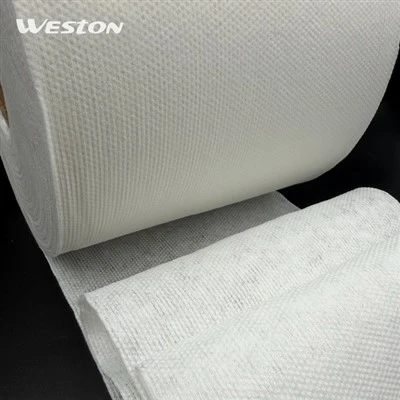
In professional nonwoven manufacturing, such as Weston Nonwoven spunlace fabric production, fiber entanglement is engineered to provide strength without stiffness. This matters because uneven fiber breakage can increase irritation during wiping.
Short-Term Cleanliness vs. Long-Term Skin Health
One common mistake is evaluating hygiene products based on immediate results. Skin damage accumulates slowly.
Redness may appear hours later
Dryness may worsen over days
Sensitivity may increase after repeated exposure
Using wipes or tissue excessively can both lead to problems. Skin health improves when cleaning is effective but restrained, allowing natural recovery.

Different Skin Conditions Require Different Choices
There is no universal answer because skin condition changes.
Healthy adult skin may tolerate tissue most of the time
Sensitive or aging skin benefits from reduced friction
Compromised skin requires gentler contact and controlled moisture
This is why in personal care and hygiene settings, wipes made from soft nonwoven structures, including bamboo-based options, are increasingly considered for skin-contact applications where comfort matters.
Environmental and Practical Considerations
Environmental impact is influenced by use behavior more than product type.
Overuse of any disposable product increases waste
Material choice affects breakdown and disposal outcomes
"Flushable" does not always reflect real conditions
From a practical standpoint, using the right product at the right time reduces overall consumption and skin stress at the same time.
So, Is It Better to Use Wipes or Tissue?
The more accurate question is: Which is better for this skin, in this situation, at this time?
Tissue is suitable for dry, low-contact tasks
Wipes are helpful when friction needs to be minimized
Skin comfort and barrier protection should guide decisions
Understanding skin sensitivity and material behavior leads to better hygiene habits without excess or harm.
When wipes are chosen thoughtfully-especially those produced using carefully engineered spunlace nonwoven fabrics-they can support skin health rather than compromise it. When tissues are used appropriately, they remain a simple and effective option.
Good hygiene is not about choosing one product forever. It is about respecting skin as a living system and adjusting habits accordingly.