How to Use Exfoliating Facial Pads Properly: A Practical Guide for Different Skin Types
Exfoliating facial pads are widely used in modern skincare routines because they are simple, controlled, and easy to apply. However, many skin problems linked to exfoliation-redness, stinging, dryness, or breakouts-come not from the product itself, but from incorrect use. Understanding what exfoliating pads do, how they work, and how often to use them is essential for keeping skin healthy and balanced.
This article explains exfoliating facial pads from a practical, skin-science perspective and offers clear guidance for different skin types.

What Exfoliating Facial Pads Are and What They Do
Exfoliating facial pads are pre-soaked wipes designed to remove dead skin cells from the surface of the skin. They usually combine two actions:
Chemical exfoliation, using acids or enzymes to loosen dead skin cells
Light physical support, using the pad's texture to help lift those loosened cells away
Most exfoliating pads contain:
AHAs (alpha hydroxy acids) such as glycolic acid or lactic acid, which work mainly on the skin surface
BHAs (beta hydroxy acids) like salicylic acid, which can enter oily pores
Enzymes or calming ingredients, often added for gentler formulas
These pads are not cleansers. Their purpose is to treat already-clean skin and prepare it for the next skincare steps.
How Exfoliating Pads Work on the Skin
Dead skin cells naturally build up as part of the skin's renewal cycle. When they are not shed evenly, skin may look dull, feel rough, or absorb skincare products poorly.
Exfoliating pads help by:
Breaking down the bonds between old skin cells
Allowing loose cells and surface debris to be wiped away
Creating a smoother surface for serums and moisturizers
Because the liquid is already evenly distributed across the pad, exfoliating pads reduce the risk of uneven application compared to liquid acids.
For sensitive skin, lower acid levels and slower use are especially important.
Benefits and Possible Trade-Offs
Benefits
Smoother skin texture
Brighter and more even-looking tone
Better absorption of skincare products
Easy, controlled application with less mess than liquid exfoliants
Portable and convenient for travel or professional use
Possible Trade-Offs
Overuse can weaken the skin barrier
Redness, dryness, or stinging may occur if used too often
The eye area is easily irritated and should be avoided
Pads should not replace makeup removal or cleansing
Exfoliation should support the skin, not challenge it.
How Often to Use Exfoliating Pads (By Skin Type)
There is no single schedule that works for everyone. Frequency should always match skin tolerance.
Sensitive or Easily Irritated Skin
Use once a week, or even less
Choose mild formulas with gentle acids or enzymes
Always patch test before full use
Dry or Normal Skin
Use 1–2 times per week
Focus on hydration after exfoliation
Avoid combining with strong active ingredients on the same day
Oily or Combination Skin
Use 2–3 times per week if well tolerated
BHAs may be helpful for clogged pores
Avoid harsh cleansers on exfoliation days
Acne-Prone Skin
Use carefully and avoid inflamed or broken skin
Start slowly and reduce frequency if irritation appears
Exfoliation should never cause burning or peeling
More exfoliation does not mean better results.

Step-by-Step: How to Use Exfoliating Facial Pads Correctly
Step 1: Cleanse First
Remove makeup and cleanse the skin thoroughly. Exfoliating pads work best on clean, dry skin.
Step 2: Apply Gently
Swipe the pad lightly across the face. Do not press hard or scrub. Avoid the eye and lip areas.
If the pad has two sides:
Use the textured side first
Follow with the smoother side if recommended
Step 3: Allow Absorption or Rinse (If Directed)
Some formulas are leave-on, while others suggest rinsing. Follow the product instructions.
Step 4: Moisturize and Protect
Apply a calming serum or moisturizer. During the daytime, sunscreen is essential, as exfoliation increases sun sensitivity.
Choosing Ingredients and Avoiding Common Mistakes
Stronger acids are not always better
Daily use is rarely necessary unless clearly stated
Do not layer exfoliating pads with retinoids or strong acids unless your skin is very tolerant
Physical rubbing does not replace chemical exfoliation and can cause damage
The goal is gradual improvement, not immediate change.
Where Exfoliating Pads Fit in a Skincare Routine
A simple routine order looks like this:
Makeup removal → Cleanser → Exfoliating pad → Serum → Moisturizer → Sunscreen (daytime)
Exfoliating pads work as a preparation step, helping later products perform more effectively.
Material Quality and Pad Structure
Beyond formulas, the pad material itself plays a role in skin comfort.
Pads made from water-jet (spunlace) nonwoven fabric offer:
Even fiber distribution for controlled abrasion
High wet strength, reducing lint and tearing
Consistent texture that supports gentle exfoliation
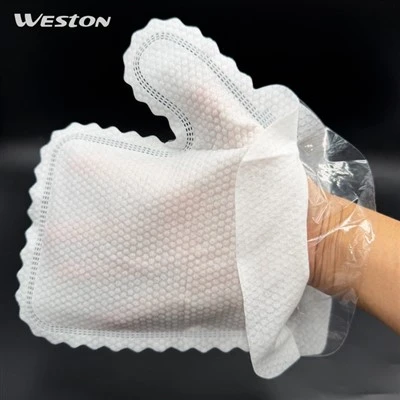
Products such as Exfoliating Facial Wipes made with spunlace nonwoven fabric, including those produced by Weston Nonwoven, are often used in both consumer and professional settings where balance between effectiveness and skin comfort is required.
Hygiene, Storage, and Aftercare
Use single-use pads only once
Keep containers sealed to prevent drying and contamination
Store away from heat and direct sunlight
After exfoliation, focus on hydration and sun protection
Good aftercare reduces irritation and supports long-term skin health.
Common Questions
Can exfoliating pads replace cleansing?
No. They are designed to be used after cleansing.
Can I use them every day?
Most people should not. Weekly or a few times per week is more common.
Do exfoliating pads help with pores?
They can improve the appearance of pores by removing surface buildup, but they do not change pore size.
Final Thoughts
Exfoliating facial pads are effective tools when used with care and understanding. Skin type, frequency, and technique matter more than strength or brand. Whether using traditional cotton pads or advanced nonwoven Exfoliating Facial Wipes, exfoliation should always support the skin's natural balance-not disrupt it.
Consistency, moderation, and proper aftercare remain the foundation of healthy skin.