Woodpulp Dissolvable Wipes vs. Regular Wipes: Which One Reigns Supreme?
Let's be real: You reach for wipes daily-for sticky hands, messy counters, post-workout freshen-ups, or baby's bottom-but you probably don't stop to think about what's in them. Today, we're breaking down two common types: Woodpulp Dissolvable Wipes and Regular Wipes, with no fluff, just straight science and honest facts to help you choose smarter. This isn't a one-sided rant-it's practical knowledge that'll change how you pick wipes from now on.
First, Let's Stop the Confusion: What Are These Wipes, Anyway?
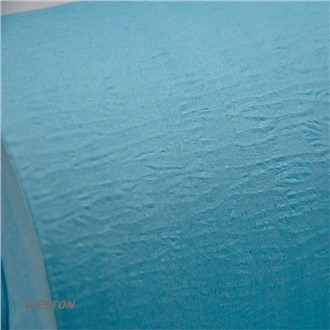
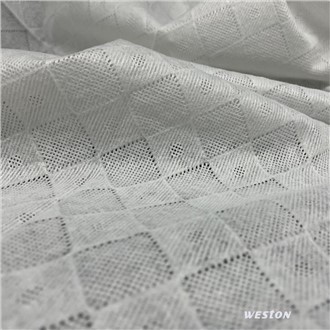
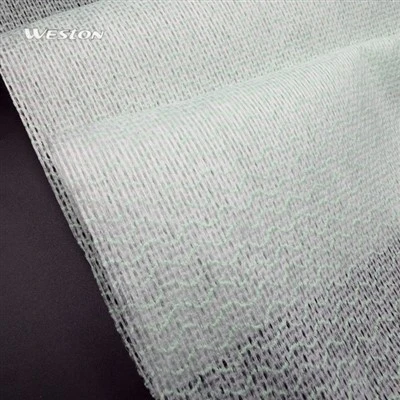
Before we dive in, let's get clear on the basics-no fancy jargon, promise. Regular wipes, the ones you stock in every room, are made from synthetic non-woven fabrics, usually polyester or polypropylene-plastic, plain and simple. They're soaked in water, cleansers, and often harsh preservatives or fragrances, built to be tough and "disposable" (spoiler: they rarely break down fully). Woodpulp Dissolvable Wipes, on the other hand, are a game-changer: Made from 100% plant-based wood pulp fibers (sourced from sustainably managed forests when done right), they use physical bonding instead of chemical glues, and they actually break down in water fast-30 seconds in warm water (ISO 12625-3 validated) vs. regular wipes that clog sewers for decades. Factories like Weston Nonwoven, a trusted spunlace nonwoven manufacturer, craft their Woodpulp Dissolvable Wipes with this glue-free, plant-based process to keep performance high and environmental impact low.

The Showdown: 4 Critical Categories That Settle the Debate
We're not picking favorites based on "feel"-we're judging on performance, planet, safety, and sense. No sugarcoating, just the facts-including the pros and cons of both.
1. Environmental Impact: The Clear Divide
Let's start with the elephant in the room: 87% of "biodegradable" regular wipes still contain plastic (EPA report), meaning they sit in landfills for 500+ years or clog sewers-causing 12% of global wastewater failures (UN Water). Their petroleum-based production also drives higher carbon emissions. Woodpulp dissolvable wipes, when 100% plant-based (skip those with synthetic binders), fully decompose in 45-180 days (ASTM tests)-even in home compost-and leave zero microplastics. Their production cuts carbon emissions by 60% vs. regular wipes, thanks to renewable wood pulp. That said, regular wipes have one tiny edge: they're often made with recycled plastic, though this barely offsets their long-term harm. Weston Nonwoven's Woodpulp Dissolvable Wipes take this eco-edge further, using FSC-certified wood pulp for full traceability.
2. Safety: Your Skin Deserves Better Than Hidden Chemicals
Regular wipes are loaded with hidden junk: alcohol, synthetic fragrances, and preservatives that irritate sensitive skin, disrupt vaginal flora (their neutral/alkaline pH clashes with our body's natural acidity), and trigger eczema in kids. They're also harsh on perianal skin, which needs a gentle touch. Woodpulp dissolvable wipes, like Weston Nonwoven's Woodpulp Dissolvable Wipes, use only EDI/RO pure water and gentle plant extracts (aloe, chamomile), with a weakly acidic pH (3.8-4.5) that matches our skin's natural state-safe for babies, hemorrhoid patients, and sensitive skin. The catch? Some budget dissolvable wipes lack preservatives, so they expire faster than regular wipes.
3. Performance: Eco-Friendly Doesn't Mean Weak
Myth busted: Eco-friendly = flimsy. Wrong. Woodpulp dissolvable wipes have textured, porous fibers that absorb 10x their weight in water and clean 3x more grease than smooth regular wipes (P&G lab tests)-no need for multiple wipes. They're strong when wet (no tearing mid-wipe!) but dissolve on command-perfect for flushing (actually flushable, unlike "flushable" regular wipes). Regular wipes are tough, too-great for heavy-duty messes like motor oil or dried food-but they leave moisture behind and can't match the soft, fabric-like feel of spunlace woodpulp (a specialty of factories like Weston Nonwoven). Regular wipes also win for industrial use, where dissolvability is a downside.

4. Cost: Eco No Longer Means Expensive
Another myth: Eco = pricey. Not anymore. By 2026, woodpulp dissolvable wipes (including Weston Nonwoven's Woodpulp Dissolvable Wipes) cost the same as high-quality regular wipes. Since they clean better in one swipe, you use fewer-saving money long-term. Regular wipes seem cheaper upfront, but hidden costs (skin irritation treatments, sewer clogs) add up. The trade-off: budget dissolvable wipes are still pricier than budget regular wipes, making them less accessible for some.
Let's keep it real: Regular wipes were a convenience win, but they're outdated. Woodpulp dissolvable wipes check every box for daily use-better for the planet, safer for your skin, more effective, and just as affordable. They're not a trendy gadget-they're a practical upgrade. Regular wipes only make sense for heavy industrial messes; for 99% of daily use (home, baby, travel), woodpulp dissolvable wipes are better. Weston Nonwoven, a leading spunlace nonwoven factory, crafts reliable Woodpulp Dissolvable Wipes that live up to these claims, but the science speaks for itself regardless of brand.
Stop settling for wipes that harm your skin and the planet. Make the switch to woodpulp dissolvable wipes-your future self (and the earth) will thank you. When it comes to woodpulp dissolvable vs. regular wipes, the smarter choice is clear.