When you think of industrial cleaning, you probably imagine chemicals, mops, and gloves - not the material of the cloth itself. Yet, the truth is that the type of cleaning cloth your facility uses can dramatically affect productivity, safety, and sustainability.
Across manufacturing plants, workshops, and maintenance sites, cleaning cloth rolls are often treated as simple consumables - but they're actually silent contributors to efficiency and compliance. Let's uncover the hidden benefits that most facilities overlook.
1. The Science Behind Industrial Cleaning Cloth Rolls
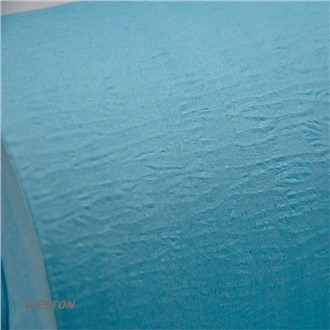
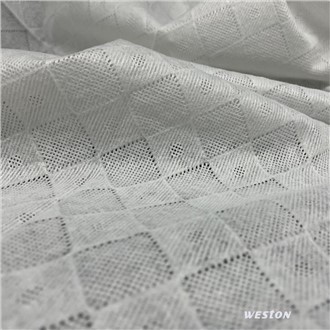
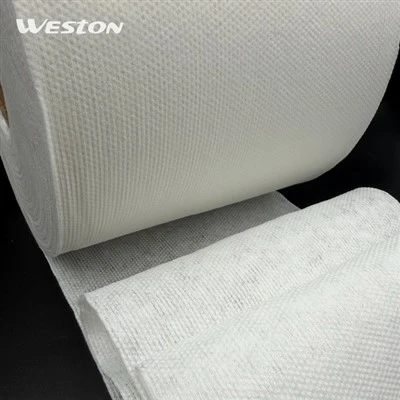
Unlike basic paper towels or cotton rags, industrial cleaning cloth rolls are engineered from nonwoven materials such as spunlace cellulose and polyester blends.
Spunlace technology uses high-pressure water jets to entangle fibers mechanically - creating a fabric that's strong, lint-free, and highly absorbent without chemical binders. This structure makes the rolls perfect for demanding industrial use, where both strength and precision cleaning are essential.
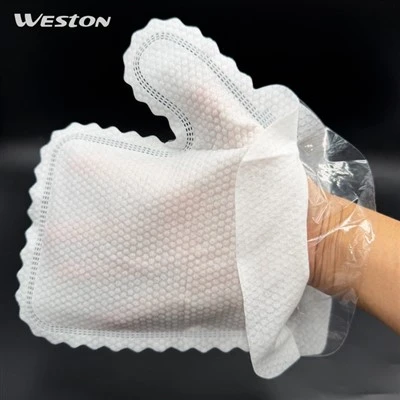
Modern rolls come in various designs - from Grey Color Industrial Cleaning Cloths ideal for visible oil and grease collection, to Customizable Industrial Cleaning Cloth Rolls cut precisely for machine or workstation applications.

|
Material Type |
Key Benefit |
Typical Use |
|
Cellulose Spunlace |
High absorbency, eco-friendly |
Printing and food industries |
|
Polyester Blend |
Tear-resistant, solvent compatible |
Automotive, electronics |
|
Viscose Fiber |
Soft, lint-free |
Cleanroom and precision wiping |
2. Cost Efficiency You Can Measure
A surprising fact: high-quality industrial cloth rolls actually lower cleaning costs.
At first glance, they may appear pricier than standard rags or paper wipes. But a closer look tells a different story.
Why They Save Money
Durability per use: A single sheet can handle multiple wipes, replacing several paper towels.
Reduced downtime: Faster absorption means less time spent on each cleaning task.
Lower waste disposal fees: Rolls produce less bulk waste and are often recyclable.
Let's compare a typical monthly scenario:
|
Cleaning Material |
Average Usage per Month |
Waste Volume |
Estimated Cost |
|
Cotton Rags |
50 kg |
High |
$400 |
|
Paper Towels |
30 rolls |
Medium |
$300 |
|
Spunlace Cloth Roll |
10 rolls |
Low |
$220 |
It's not just about price per roll - it's about cost per clean. Industrial-grade cloth rolls outperform alternatives when total usage efficiency is calculated.
3. Safety and Compliance: The Invisible Advantage
Every production line has its own cleaning challenges - oil residue, ink spills, or dust particles. What many don't realize is that the wrong wipe can compromise product safety.
Paper towels can shed lint, contaminating surfaces. Cotton rags may contain dyes or metal fragments from recycled textiles. Industrial cloth rolls, on the other hand, are manufactured in controlled environments with consistent fiber purity.
That consistency makes it easier to meet ISO cleanroom, GMP, and HACCP hygiene requirements. The Cellulose Spunlace Industrial Printer Cleaning Wipes, for example, are designed to resist tearing under solvents, making them perfect for ink and chemical cleanup without fiber residue.
|
Industry |
Cleaning Challenge |
Recommended Cloth |
|
Food Processing |
Hygiene & oil residue |
Cellulose Spunlace Cloth |
|
Automotive |
Grease & chemical solvents |
Grey Color Industrial Cloth |
|
Printing |
Ink & fine particles |
Industrial Printer Cleaning Wipes |
Clean surfaces aren't just about appearance - they're about compliance and safety.
4. Sustainability: Clean and Green
Factories are under growing pressure to reduce waste. Many companies now realize that their cleaning materials can play a role in sustainability goals.
Modern industrial cloth rolls can be made from biodegradable viscose or cellulose fibers, offering performance without plastic-based waste. Unlike paper towels (which are single-use), nonwoven rolls can often be rinsed and reused several times, dramatically cutting waste volume.
Eco-Friendly Edge
Produced with water-based technology (no harsh binders).
Many versions are compostable or recyclable.
Lightweight design reduces transport emissions.
Think of it as a small switch with a large impact - one that helps companies meet ESG or ISO 14001 standards while improving workplace efficiency.
5. Productivity and Worker Satisfaction
Cleaners, operators, and technicians are the first to notice when cleaning tools fail. Slippery paper, torn rags, or low-absorbent wipes slow them down and cause frustration.
Nonwoven rolls, especially Customizable Industrial Cleaning Cloth Rolls, improve workflow because they are ergonomic and reliable. Workers can tear off the right size, use it confidently, and move on. The smooth texture also makes these cloths gentle on skin and equipment surfaces.
Small efficiency upgrades - like switching to a better cloth - accumulate into measurable productivity gains over time.

6. Versatility Across Industries
One of the hidden strengths of industrial cleaning cloth rolls is their multi-industry adaptability. A single product line can serve dozens of applications:
Automotive Workshops: wiping oil, lubricants, and coolants.
Printing Plants: cleaning rollers, plates, and ink trays.
Electronics Manufacturing: removing dust and residues without static buildup.
Food Production: sanitizing surfaces while avoiding lint contamination.
This flexibility simplifies procurement - fewer product types, easier stock management, and consistent results across departments.
7. The Future of Industrial Cleaning
As industries evolve, data-backed cleaning efficiency is becoming a competitive edge. Facilities that measure energy use, downtime, and waste often find that nonwoven materials quietly contribute to better performance indicators.
In the near future, we'll likely see:
Smart dispensers that track roll usage.
Hybrid fibers combining strength and biodegradability.
Advanced surface coatings for chemical resistance and static control.
These innovations all trace back to one simple idea: the better the wipe, the better the workflow.
8. Weston Nonwovens: Quietly Behind the Clean
Behind many of these industrial-grade materials stands the expertise of professional nonwoven manufacturers like Weston Nonwovens.
The company's product line - including Grey Color Industrial Cleaning Cloth, Customizable Industrial Cleaning Cloth Rolls, and Cellulose Spunlace Industrial Printer Cleaning Wipes - represents the new standard of industrial hygiene: strong, sustainable, and smartly engineered.
Whether for large-scale production lines or precision environments, Weston Nonwovens supports facilities seeking reliable and eco-conscious cleaning solutions - with customizable size, color, and fiber composition options available.
Final Thought
Cleanliness isn't just a visual standard - it's a foundation for safety, efficiency, and environmental responsibility.
The next time your facility orders cleaning supplies, remember: the cloth roll you choose is more than a wipe - it's a silent partner in your productivity.
Upgrade the fabric behind your clean - and uncover the benefits your facility has been missing.