If there's one place in the home that works harder than everything else, it's the kitchen counter. It's where you chop vegetables, mix batter, handle raw meat, unpack groceries, place your mail, slice fruit, set down your keys-and somehow expect everything to stay clean with one quick swipe of a random towel.
The truth?
Kitchen counters collect bacteria, grease mist, moisture, food acids, and cross-contaminants far faster than most people imagine. Some studies even show that countertop bacterial loads can rival those on refrigerator handles or faucet knobs. But here's the good news: keeping your counters genuinely clean doesn't require harsh chemicals or complicated routines. It simply requires understanding what actually works.
Let's break it down with clarity, honesty, and a bit of science.
Why Cleaning Your Counter Requires More Than "A Quick Wipe"
Most people think cleaning happens when you spray a product. But surface hygiene depends on two critical layers:
Mechanical cleaning – physically removing oils, crumbs, biofilm, and residues
Chemical cleaning – lifting grease and reducing microbes
Sprays handle chemistry, but wiping handles the real work. If your wipe material smears grease, sheds lint, or pushes crumbs around, you're not cleaning-you're reorganizing dirt.

Choose Your Cleaner Based on the Surface
Not all counters behave the same. Knowing your material helps you choose the right cleaning approach.
Quartz
Durable, but dislikes strong acids. Mild dish soap works best for daily cleaning.
Granite or Marble
These natural stones are porous. Avoid vinegar and lemon-based cleaners-they slowly etch the surface. Use pH-balanced cleaners.
Stainless Steel
Tends to streak easily. Needs a highly absorbent, lint-free wipe for best results.
Laminate
Easy to clean but scratches if you use rough cloths or abrasive powders.
So, What's the Best Cleaner for Kitchen Counters?
Keep it simple:
1. Mild Dish Soap + Warm Water (Best for Everyday Use)
Gentle, reliable, effective on almost every surface. Dish soap contains surfactants that break down oils without damaging finishes.
2. Diluted Vinegar (But Not for Stone)
Great at dissolving grease but unsafe for granite and marble.
3. Alcohol-Based Sprays
Fast evaporating, excellent for sanitizing, but may leave streaks if applied with low-quality wipes.
4. Commercial Kitchen Sprays
Useful for heavy messes. Choose ones with simple surfactants, not heavily fragranced products.
Avoid These:
Abrasive powders
Dirty cotton rags that spread bacteria
Bleach for daily cleaning (use only when sanitizing after raw meat)
The Overlooked Hero: Your Cleaning Wipe Material
This is the part people underestimate the most.
Your cleaning chemical matters-but your wiping tool determines whether cleaning succeeds or fails.
Why Wipe Material Matters
Cotton rags can smear oils and harbor bacteria deeply in their fibers.
Paper towels are convenient but weak when wet and wasteful.
Microfiber cloths are good, but many lose performance over time and require special washing care.
Now enter spunlace nonwoven wipes-the unsung champions of modern cleaning.
What Makes Spunlace Different
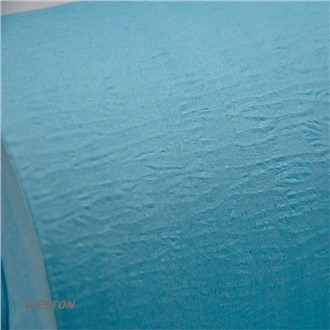
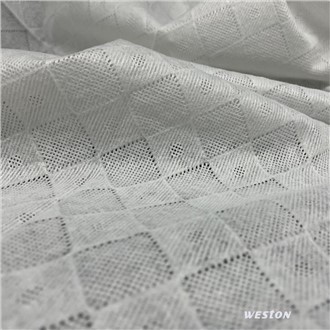
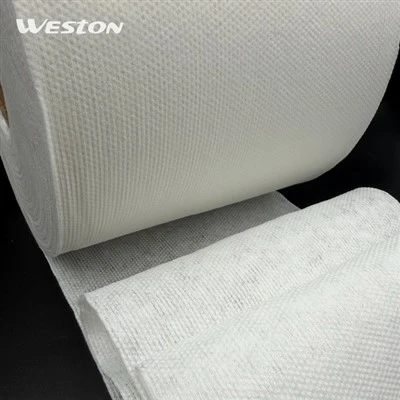
Spunlace technology uses high-pressure water jets to entangle fibers into a strong, uniform, absorbent sheet. The result?
High absorbency for lifting grease instead of smearing it
Strong wet performance
Lint-free surface for streak-free results
Consistent texture designed for scrubbing without scratching
Cleaner fiber structure, avoiding bacterial buildup common in reused rags
This is why hospitals, food-processing facilities, and professional kitchens rely heavily on spunlace instead of cotton.
How to Clean Kitchen Counters Properly (Simple Routine, Real Results)
1. Dry Sweep
Use a clean wipe to remove crumbs or loose particles. Starting dry prevents spreading debris into thin streaks.
2. Apply Cleaner
Whether you use dish soap, vinegar (if suitable), or a surface spray, apply evenly.
3. Wipe in "S-Motion"
Instead of circular rubbing-which just moves grime around-pull the wipe in overlapping S-shaped motions. This technique is used in hospital cleaning because it removes, not redistributes, contaminants.
4. Rinse + Wipe Again
A quick rinse pass removes leftover soap and prevents residue.
5. Dry the Counter
Drying prevents streaks and gives bacteria less opportunity to multiply.
The whole routine only takes 30 seconds longer than a sloppy wipe-down but leaves your counters genuinely clean.
Common Cleaning Myths (That You Should Ignore Immediately)
"Disinfectant sprays clean on their own."
False. Sprays only disinfect clean surfaces. They do nothing on grease or debris.
"Paper towels are the cleanest option."
Not really. They dissolve when wet and waste resources.
"Vinegar works everywhere."
Definitely not-stone surfaces are damaged by acids.
"All wipes are basically the same."
The fiber structure determines cleaning performance far more than the chemical you spray.

Final Answer: The Best Way to Clean Kitchen Counters
Use a gentle cleaner like dish soap or a balanced surface spray, paired with a high-quality spunlace nonwoven wipe that can lift, trap, and absorb grease, moisture, and residue in one pass.
Cleaning isn't about using stronger chemicals-it's about using smarter materials.
Weston Nonwoven - Practical Spunlace Solutions for Real Kitchen Cleaning
For readers who want durable, high-performance wipes for home, commercial kitchens, or manufacturing applications, Weston Nonwoven provides factory-direct spunlace materials designed exactly for cleaning environments.
Our kitchen-related spunlace solutions include:
Grease Wipes For Kitchen – strong wet tensile, excellent oil absorption
Kitchen Floor Scrubbing Mop Pads – ideal for textured floors and heavy-duty scrubbing
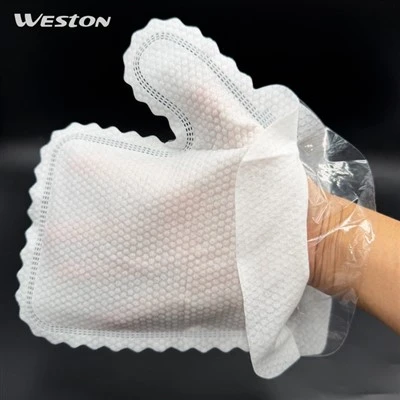
Kitchen Wet Wipes – soft, absorbent, and suitable for daily countertop use
We offer free sample testing and fully customizable specifications including basis weight (gsm), material composition, color, pattern/embossing, sheet size, roll width, and packaging formats.
For custom orders, OEM manufacturing, or material recommendations, contact us anytime: info@westonmanufacturing.com