Industrial Cleaning Cloth Rolls: Cut Maintenance Costs 40%
Facility managers are under constant pressure to keep cleaning protocols effective while staying within tight maintenance budgets. One of the most overlooked ways to hit both targets at once is switching from traditional rags to specialized industrial cleaning cloth rolls.
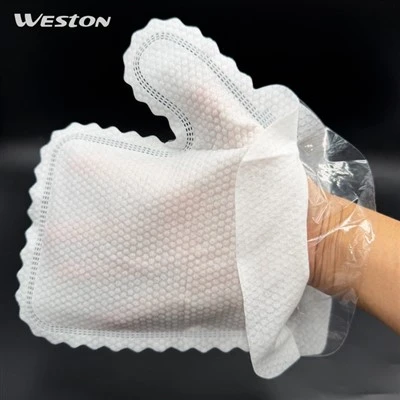
Traditional cleaning methods - loose rags, mismatched fabric scraps, single-use paper towels - have dominated industrial maintenance for decades, often at the cost of wasted labor, excess material use, and inconsistent results. Purpose-built solutions like industrial cleaning wet wipes and industrial oil absorbing sheets are changing that, helping maintenance teams work faster while extending equipment lifespan.
At Weston Nonwoven, we've worked with maintenance teams across automotive, manufacturing, and industrial facilities, and the pattern is consistent: facilities that switch to engineered cleaning materials see meaningful, measurable savings - not just anecdotal improvement.
This article covers:
- What industrial cleaning cloth rolls are and how they're used
- Where the cost savings actually come from
- Best practices for getting the most out of them

What Are Industrial Cleaning Cloth Rolls?
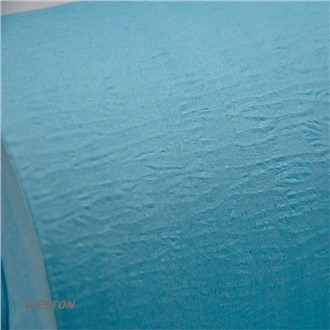
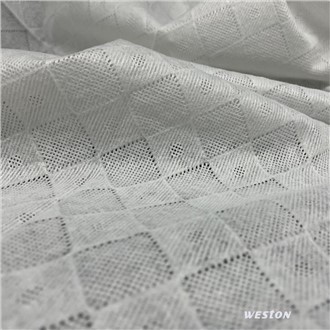
Industrial cleaning cloth rolls are heavy-duty nonwoven fabric materials engineered specifically for demanding industrial cleaning tasks - built to withstand repeated use, strong solvents, and heavy oils without breaking down the way rags or standard paper products do.
Material Composition
Most industrial cleaning cloth rolls use a wood pulp + polypropylene (PP) blend, chosen for:
- Strong natural absorbency
- High tensile strength under repeated wiping
- Compatibility with solvents, disinfectants, and detergents
Some high-absorption formats can hold several liters of fluid per roll. Common color options include gray (for low-light or mechanical environments), white (for spotting residue clearly), and natural wood-pulp tone.
Where They're Used
Industrial cloth rolls are widely used in:
Automotive maintenance - oil, grease, and metal debris removal
Manufacturing lines - routine equipment wipe-downs and spill control
General industrial cleaning - tasks where standard rags fall short on absorbency or durability
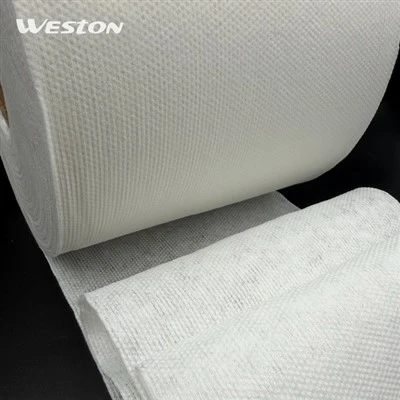
They're available in several formats to match different workflows, including large bulk rolls, center-feed dispensing rolls, and folded/interfold formats - along with specialized industrial oil absorbing sheets designed to contain spills and reduce slip hazards.
Where the Cost Savings Actually Come From
The cost reduction isn't a single factor - it comes from several compounding improvements across labor, materials, and operations.
|
Cost Driver |
Traditional Rags |
Industrial Cloth Rolls |
|
Labor time per cleaning task |
Higher - inconsistent absorbency slows work |
Lower - engineered absorbency speeds cleanup |
|
Product/material consumption |
More cloths/solvent needed per task |
Fewer cloths and less solvent needed |
|
Lint and residue left behind |
Higher, can affect sensitive equipment |
Significantly lower |
|
Contamination risk |
Higher without a color system |
Easier to manage with color-coded rolls |
|
Storage and handling |
Inconsistent, often disorganized |
Standardized, easier to manage |
1. Reduced Labor Costs
Labor is typically the largest component of facility cleaning budgets. Because industrial cloth rolls are engineered for higher absorbency and durability than rags, cleaning tasks generally take less time to complete, which directly reduces the labor hours tied to routine maintenance cleaning.
2. Lower Material Consumption
Higher-absorbency materials mean facilities typically need fewer cloths and less cleaning solvent to complete the same task - reducing both product spend and waste-disposal volume over time.
3. Operational Performance Improvements
Because industrial cloth rolls produce far less lint than rags, they help reduce contamination risk on sensitive equipment, which in turn supports more consistent operations and fewer lint-related malfunctions or slowdowns.
Together, these factors - faster cleaning, lower material use, and fewer equipment issues - are what allow well-run facilities to realistically target cost reductions in the range of 30–40% after switching from rags to engineered cloth rolls, based on the patterns we've observed across facilities we've supplied.
Best Practices for Getting the Most Out of Industrial Cleaning Cloth Rolls
Switching materials alone isn't enough - proper implementation is what unlocks the full savings potential.
1. Organized Storage Store rolls in a clean, dry area, away from dust and moisture, to preserve absorbency and prevent cross-contamination in sensitive environments.
2. Efficient Cleaning Technique Dampen cloths lightly rather than oversaturating them, clean from top to bottom, and match the solvent to the specific application.
3. Color-Coded Systems Assign specific colors to different zones - food-processing areas, mechanical rooms, restroom sanitation, and general maintenance - to prevent cross-contamination and simplify training.
4. Maintenance Protocols For reusable formats, wash cloths regularly and apply heat during washing or drying when appropriate to reduce bacterial buildup. Choose the right cloth type for the job - for example, high-absorption oil sheets for spill-prone areas.
While industrial cloth rolls typically carry a higher upfront cost than rags, most facilities find that reduced waste handling and longer-term durability more than offset the difference within the first year.
Conclusion
Industrial cleaning cloth rolls remain one of the more overlooked ways to reduce maintenance costs without cutting corners on cleaning quality. Their durability, absorbency, and consistency address the recurring pain points of industrial cleaning - wasted labor, high material turnover, and equipment downtime - while delivering savings that compound over time.
Weston Nonwoven's industrial cleaning solutions are built around these same priorities: high-performance construction, purpose-built formulations, and material choices designed for real-world industrial conditions. If your facility is still relying on rags or generic paper products, evaluating your current cleaning protocol is a good place to start.
FAQs
Q1. How do industrial cleaning cloth rolls compare to traditional rags?
They generally clean faster, use less cleaning product per task, and leave behind far less lint - resulting in better overall performance and lower long-term costs.
Q2. What are the key benefits of using industrial cleaning cloth rolls?
Lower maintenance costs, reduced labor hours, less material waste, reduced equipment wear from lint contamination, and more consistent cleaning results.
Q3. How do industrial cloth rolls reduce contamination risks?
By producing minimal lint and supporting color-coded systems that keep cleaning materials separated by zone or application.
Q4. How should industrial cleaning cloth rolls be stored and maintained?
Keep rolls in a clean, dry space, and for reusable formats, wash regularly and apply heat when possible to reduce bacterial buildup.
Q5. Are industrial cleaning cloth rolls suitable for all industries?
Yes - they're used effectively across manufacturing, automotive, food processing, and other settings that require heavy-duty or high-precision cleaning.