A Simple Guide for Pet Parents

Did you know that over 80% of dogs show signs of dental disease by age three? That foul "doggy breath" isn't just unpleasant-it's often an early warning sign of serious oral health issues.
Maintaining your dog's dental hygiene is essential, yet for many pet parents, brushing a dog's teeth feels unrealistic. Between resistance, stress, and lack of time, daily brushing often becomes inconsistent or abandoned altogether.
Dog dental wipes offer a practical, low-stress alternative. Designed to remove plaque and food residue while freshening breath, Pet Dental Finger Wipes make routine oral care achievable-even for dogs that refuse toothbrushes.
Unlike traditional brushing, dental wipes require minimal training, cause less anxiety, and are easy to use at home or on the go. In this guide, we explain how dog dental wipes work, when to use them, how to apply them properly, and how to choose a safe, effective product for your dog.
Why Oral Care Matters for Dogs
Proper dental care is a cornerstone of canine health, yet it is often overlooked until problems become severe. Understanding how dental disease develops helps explain why daily prevention matters.
How Plaque and Tartar Form
Plaque begins forming just hours after your dog eats. Food particles combine with saliva and bacteria to create a sticky biofilm on the tooth surface. At this early stage, plaque is soft and removable.
If not removed, plaque absorbs minerals from saliva and hardens into tartar (calculus) within days. Tartar bonds tightly to the tooth surface and cannot be removed with home care alone. While some buildup is visible above the gumline, the most damaging deposits form below it-where bacteria trigger inflammation and tissue damage.
Without intervention, this cycle accelerates, creating an environment where harmful bacteria thrive.
Risks of Poor Dental Hygiene
By age three, approximately 80% of dogs show signs of periodontal disease. This condition progresses from mild gingivitis to advanced infection and can result in:
Inflamed, bleeding gums
Chronic oral pain
Receding gumlines
Loose or lost teeth
Jaw bone deterioration
Persistent bad breath
More critically, oral bacteria can enter the bloodstream and affect vital organs. Research links periodontal disease in dogs to increased risk of heart disease, liver dysfunction, and kidney damage. In dogs with diabetes, oral inflammation can worsen insulin resistance, creating a dangerous feedback loop.
Daily plaque control-before tartar forms-is therefore essential. Tools like dog dental wipes play a meaningful role in this preventive stage.
Why Brushing Isn't Always an Option
Although brushing is considered the gold standard for dental care, it is not realistic for every dog or household.
Common Challenges With Brushing
Many dogs instinctively resist having objects placed in their mouths
Proper brushing requires time, consistency, and access to back molars
Adult or rescue dogs may never acclimate to brushing
Physical limitations of pet parents can make brushing difficult
Small or brachycephalic breeds often have crowded teeth that are hard to reach
As a result, brushing attempts often become stressful and inconsistent-reducing their overall effectiveness.
Signs Your Dog May Resist Brushing
Pulling away or backing up when seeing a toothbrush
Freezing, panting, or showing the whites of the eyes
Pawing at the mouth during attempts
Growling or snapping when the mouth is approached
In these cases, forcing brushing may damage trust and increase anxiety. A gentler alternative is often more sustainable.
What Are Dog Dental Wipes?
Dog dental wipes are pre-moistened, disposable cloths designed to clean teeth and gums through direct contact.
How They Work on the Tooth Surface
Dental wipes remove plaque primarily through mechanical action. The textured surface lifts plaque and food debris from the tooth surface, especially along the gumline where buildup begins.
Many wipes are infused with functional ingredients such as:
Chlorhexidine or zinc compounds to reduce bacteria
Sodium hexametaphosphate to inhibit tartar formation
Enzymes that break down biofilm
Botanical extracts for breath control
The flexible wipe conforms to tooth contours, making it easier to clean awkward areas-particularly in small mouths.

Difference From Brushing and Chews
Dental wipes:
Clean surface plaque but do not polish or clean between teeth
Offer more control than dental chews
Are gentler and less intimidating than toothbrushes
Are portable and require no water or rinsing
They are best viewed as a daily maintenance tool, not a replacement for professional dental care.
How to Use Dog Dental Wipes Properly
Step-by-Step Usage Guide
Create a positive environment using praise or treats
Gently lift your dog's lip
Wrap the dental wipe securely around your finger
Wipe teeth using small circular motions
Focus on the gumline and back molars
Finish with a gentle gum wipe
The process takes approximately 1–2 minutes.
How Often to Use Them
2–3 times per week for basic maintenance
Daily use for dogs prone to plaque or tartar
Consistency matters more than intensity.
Tips for First-Time Users
Let your dog sniff and taste the wipe first
Start with short sessions
Use flavored wipes if available
Always reward afterward
Never force the process
Choosing the Right Dental Wipes
Ingredients to Look For
Chlorhexidine gluconate (pet-safe concentration)
Sodium hexametaphosphate
Enzymatic cleaners
Zinc compounds
Alcohol-free, pH-balanced formulations
Avoid These Additives
Alcohol
Artificial fragrances
Parabens
Sulfates
Formaldehyde-releasing preservatives
Because dogs inevitably swallow residue, ingredient safety is critical.
Conclusion
Maintaining your dog's dental health is not optional-it is essential to their long-term comfort and overall wellbeing. While brushing remains ideal, it is not always practical in real life. Dog dental wipes offer a realistic, low-stress solution that pet parents are far more likely to use consistently.
When used correctly and regularly, Pet Dental Finger Wipes help control plaque buildup, support fresher breath, and slow the progression of periodontal disease between veterinary cleanings. Their effectiveness lies in prevention-addressing plaque before it hardens into damaging tartar.
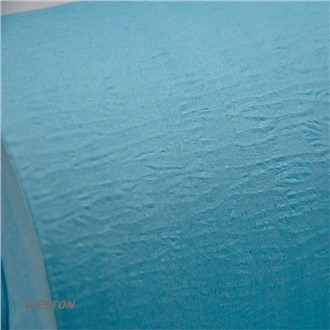
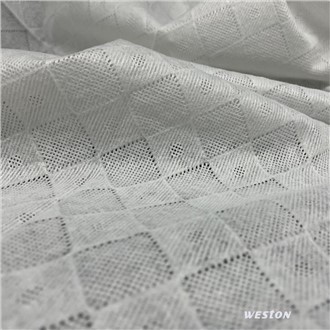
However, results depend heavily on product quality. Fiber softness, surface texture, absorption capacity, and material safety all begin with the nonwoven substrate.
As a professional spunlace nonwoven manufacturer, Weston Nonwoven specializes in the development and customization of Pet Dental Finger Wipes, offering low-lint, skin-safe, and performance-optimized nonwoven solutions for pet care brands. With factory-direct production, strict quality control, and OEM/private-label capabilities, Weston supports reliable, scalable oral care products tailored to market needs.
Ultimately, effective canine dental care is built on consistency, thoughtful product design, and realistic daily routines. When pet parents can rely on gentle, well-engineered dental wipes their dogs tolerate, oral care becomes sustainable-and that consistency is what protects a dog's health over time.