How to Select the Best Industrial Cleaning Wipes for Your Industry
Industrial cleaning wipes look simple. Yet in most factories, they quietly decide how clean the line runs, how often machines stop, and how many complaints reach quality and compliance. Every procurement manager has felt this: a cheap wipe that tears, sheds lint, or smears instead of cleaning costs far more than it saves.
This is exactly why wipe selection is turning from a small purchasing decision into a strategic lever for productivity, compliance, and cost control in modern plants.
Why Wipes Are Now a Strategic Tool
The industrial and institutional wipes segment is growing faster than consumer wipes as factories tighten hygiene and contamination control standards. At the same time, data from commercial cleaning and facility management shows that better-matched cleaning supplies can cut overall cleaning costs by 15–40% while supporting higher output and fewer downtime events.
In other words, the question is no longer "What's the cheapest wipe per pack?" but "What wipe helps the line run cleaner, safer, and longer with less labor?"

Start with Your Environment, Not the Catalog
The best way to select industrial cleaning wipes is to reverse the usual order: start from your environment and risks, then work backward to the wipe. Three questions frame the decision:
What are you cleaning: oil, solvents, fine dust, food residues, bio-contamination, or mixed soils?
How critical is contamination control: general workshop, food processing, pharma, or electronics/cleanroom?
What chemicals and processes are involved: IPA, strong solvents, disinfectants, or simple detergents?
For a general metalworking or assembly plant, a durable nonwoven like a bold, grey-toned, oil-absorbing wipe makes sense. In stricter environments, wipes must meet ISO 14644 cleanroom classes or GMP expectations for particles, fibers, and residues.
The Fiber Science Behind "Good" Industrial Wipes
Most industrial wipes are nonwovens made from viscose (pulp), polyester, or blends of the two. Each fiber brings a different performance profile:
Viscose/pulp: Very absorbent and soft, excellent for water-based and many detergent-based cleaning, but not as strong when heavily soaked or used aggressively.
Polyester: Highly durable, chemically resistant, and low-lint, ideal for solvents, oils, and repeated use, but naturally hydrophobic unless treated.
Blends like pulp/polyester or viscose/polyester aim to balance these traits. Testing shows that higher polyester content improves strength and chemical resistance, while higher viscose or pulp content improves the "grab" and speed with which the wipe pulls in liquid.
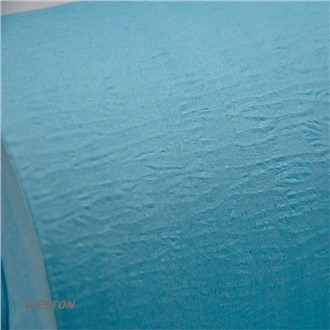
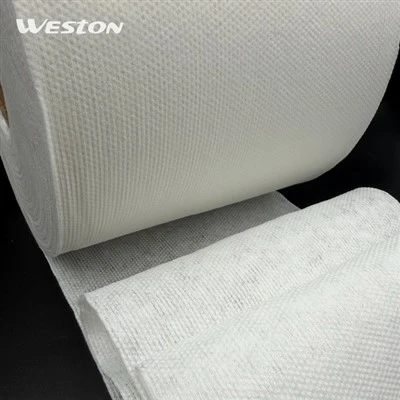
This is where Embossed Pulp Polyester Industrial Wipes stand out: the pulp side pulls in and disperses liquid fast, while the polyester network keeps the wipe intact, even under scrubbing, solvent exposure, or heavy oil loads. The embossed structure adds micro-edges that lift and trap soil instead of just sliding over it.
Lint, Particles, and Residues: The Silent Failure Modes
In non-critical areas, a bit of lint is annoying but manageable. In electronics, pharma, and cleanroom-adjacent processes, lint and particles are potential failure points. Wipes for these environments are tested for:
Particle and fiber shedding under friction and solvent exposure.
Non-volatile residue (NVR) left behind after solvent evaporates, which can interfere with coatings, adhesives, or drug products.
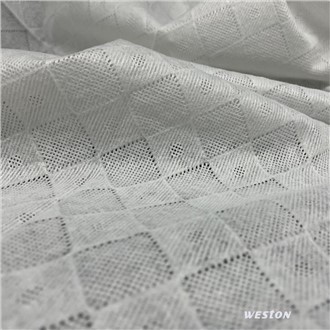
Hydroentangled (spunlace) nonwovens made from polyester or polyester/pulp blends are widely used here because the water-jet entanglement creates strong fiber bonding without binders that might leach or flake. That same technology underpins products like the Grey Color Industrial Cleaning Cloth, where darker shades hide minor staining in heavy-use environments while the base fabric still delivers low lint and stable performance across multiple wiping cycles.

Matching Wipe Format and Color to Workflow
Beyond fiber and testing, two practical details are often overlooked: format and color.
Format: Rolls, interfold packs, and perforated rolls fit different workflows. Rolls at the line reduce walking time; interfolds help control usage and contamination from overhandling.
Color: Neutral or grey wipes, such as Grey Color Industrial Cleaning Cloth, visually mask light staining so staff use the wipe to its actual performance limit instead of discarding it on first discoloration. Bright white, by contrast, is useful where you need to visually verify soil removal and cleanliness at a glance.
Choosing color and format intentionally can make the difference between a wipe that lives one wipe-and-toss life and a wipe that delivers several effective passes without safety or quality compromises.
What Professional Buyers Look for Now
Professional B2B buyers in cleaning and MRO supplies increasingly use a simple decision matrix rather than solely price lists. Typical criteria include:
Technical fit: Absorbency, tensile strength (dry and wet), chemical compatibility, lint level, and relevant standards (ASTM, IEST, EN).
Operational fit: Pack size, format, ergonomics, and how the wipe behaves in real workflows (gloved hands, tight spaces, repetitive motions).
Supply reliability: Lead time, stock levels, and the manufacturer's capacity to ramp supply as volumes grow.
Total cost, not unit cost: Usage rate, task time, defect and re-cleaning rates, and impact on downtime or scrap.
When a wipe is well matched to the job, plants report lower consumption per shift, faster cleaning tasks, and fewer rework events-all of which show up in annual cost reports.

Where Weston-Style Spunlace Wipes Fit In
Water-jet (spunlace) nonwoven technology has become a preferred base for higher-performance industrial wipes because it delivers strength without binders and enables versatile blends like pulp/polyester. For many users, that translates into a small price premium per pack but fewer wipes per shift and fewer cleaning-related issues over the year.
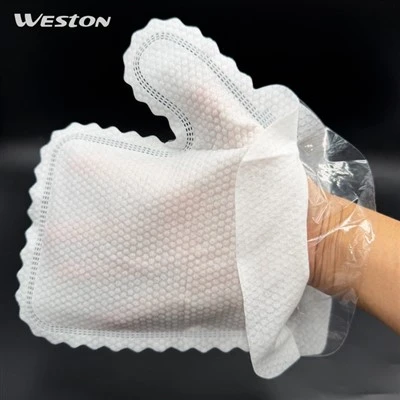
Products such as Embossed Pulp Polyester Industrial Wipes are designed with that philosophy: strong, low-lint spunlace construction, a surface profile that lifts stubborn soils, and fiber blends that can handle oils, greases, and many solvents without falling apart. Similarly, neutral-toned solutions like Grey Color Industrial Cleaning Cloth are built for visually demanding, dirty work environments where pure white wipes either look "dirty" too fast or are simply impractical on the floor.
These are not luxury upgrades but tuned tools meant to match the reality of industrial cleaning: repetitive, time-sensitive, and often done under pressure near sensitive equipment.
A Practical Next Step: Try Before You Standardize
The most reliable way to choose the right industrial wipes is to run them on your line in parallel with your current products for a few weeks and measure:
How many wipes are used per shift or per job.
Whether staff reach for a second wipe less often.
Any change in re-cleaning, smearing, or lint complaints.
Feedback from operators and maintenance techs on grip, feel, and durability.
If you want to test embossed pulp/polyester blends or grey spunlace wipes in your own process, you can request free samples by emailing. Running a simple side-by-side trial on your own lines often reveals more about wipe performance than any datasheet ever will.
Selecting industrial wipes with intention-starting from environment and risk, then matching fiber, construction, format, and supplier-turns a disposable item into a quiet advantage. In a plant measured by uptime, yield, and compliance, that advantage compounds every single shift.