How to Identify Safe Baby Body Cleaning Wipes in 2025?
In 2025, with the implementation of new global standards for baby care products, the safety evaluation of Baby Body Cleaning Wipes has entered a multi-dimensional era. For professional buyers, relying on outdated criteria can lead to procurement risks. This article decodes the core safety logic with the latest industry data.
Ingredient Decoding: From "Non-Irritating" to "Precise Safety"
Many buyers still cling to superficial standards like "no alcohol, no fragrance," but 2024 data shows that 78% of products contain phenoxyethanol-a preservative restricted to 1% concentration for under-3s in the EU.

High-risk ingredients to avoid:
Formaldehyde-releasers (DMDM hydantoin) cause long-term irritation.
MIT/CMIT preservatives have been banned in 12 countries due to 37% higher dermatitis rates.
Safety advantages of rational formulas:
The top 3 ingredients should be purified water, glycerin, and non-woven fabric. Potassium sorbate is preferred over controversial phenoxyethanol.
Hidden trap of "natural" claims:
Lavender and tea tree oil, though marketed as safe, trigger delayed allergies in 18% of infants.
Microbiome Protection: The Overlooked Safety Barrier
A Nature·Pediatrics study found frequent use of harsh wipes reduces protective skin bacteria by 40% and raises diaper rash risk by 35%.
Risks of imbalance:
Disrupted microbiomes increase atopic dermatitis risk by 1.8x in school-age children.
Advantages of microbiome-friendly products:
Choose pH 4.0-7.5 (matching baby skin) and avoid broad-spectrum antibacterials that kill "good bacteria." Look for products tested for microbial diversity preservation.
Production Quality: Beyond the Formula Label
Substrate Safety
"Biodegradable" doesn't equal skin-safe-85% of plant-based wipes still use irritating cleansers.
Risks:
Plastic-added non-wovens leave microfibers.
Tap water-based solutions carry microbial contamination.
Advantages:
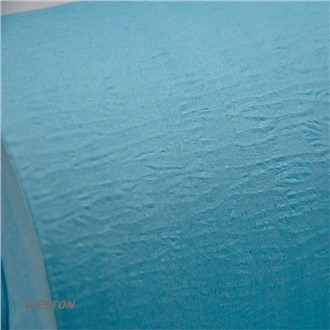
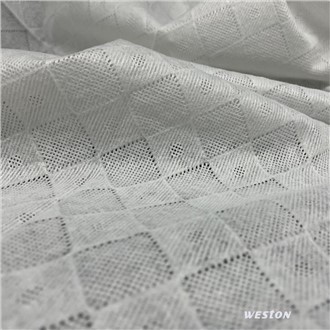
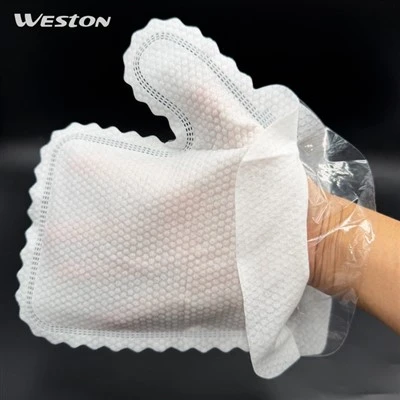
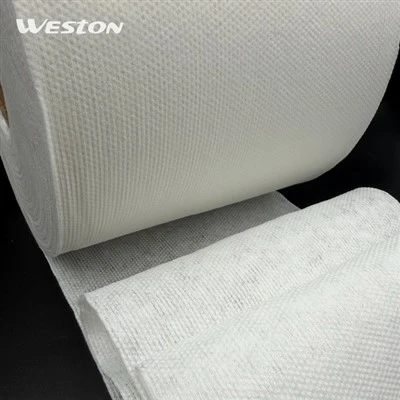
FSC-certified spunlace non-wovens (like those used in premium Private Label Baby Wipes) reduce friction irritation. Sterile EDI water prevents bacterial growth.
Manufacturing Controls
Class 100,000 cleanrooms and real-time microbial monitoring are mandatory in 2025. Products from uncertified facilities have 62% higher colony count violations.

2025 Compliance: Global Regulatory Red Lines
|
Region |
Key Requirements (2025) |
Compliance Advantage |
|
EU |
Ban 12 fragrances; Label use frequency warnings |
Avoids cross-market rejection |
|
China |
Formaldehyde ≤6mg/kg; pH 4.0-7.5 |
Meets GB/T 27728.2-2024 new standard |
|
Japan |
Skin absorption rate limits |
Reduces chemical penetration risks |
Practical Identification Checklist
Scan ingredient lists: Reject if formaldehyde-releasers/MIT rank in the top 10.
Test pH with strips: Ideal range 5.0-6.5 (matches skin's acid mantle).
Inspect packaging: Look for cleanroom certification and batch codes.
Weston Nonwoven, a spunlace non-woven factory, integrates these safety standards into its Private Label Baby Wipes production-from FSC-certified fibers to sterile filling. For a free sample to evaluate substrate quality, contact info@westonmanufacturing.com.
Mastering these criteria turns "safety claims" into verifiable facts. In 2025, the most competitive Baby Body Cleaning Wipes aren't just compliant-they anticipate skin health needs beyond regulations.