How Nonwovens Improve Safety and Comfort in Disposable Medical Bedsheets
When people think about modern healthcare, they usually focus on advanced medical equipment, new treatments, and skilled healthcare professionals. However, many everyday medical materials also play a crucial role in protecting patients and maintaining hygiene standards. One such essential item is the medical bedsheet.

Traditional hospital bedsheets are usually made from woven cotton and reused after repeated laundering. While this method has been used for decades, it also introduces hygiene risks, operational costs, and inconsistent fabric performance over time. As healthcare systems increasingly prioritize infection control and efficiency, disposable nonwoven bedsheets have become a widely adopted alternative.
Nonwoven fabrics-especially spunlace materials-offer a combination of safety, comfort, and operational convenience that reusable textiles often struggle to provide. These materials are engineered specifically for healthcare environments, where hygiene and patient well-being must always come first.
What Makes Nonwovens a Smarter Choice for Medical Bed Care
Unlike traditional woven fabrics that are produced by interlacing yarns, nonwoven fabrics are created by bonding fibers together through mechanical, thermal, or chemical processes. This manufacturing method allows engineers to design fabrics with specific medical performance characteristics.
Because the fiber structure can be controlled during production, nonwoven fabrics can provide consistent softness, fluid resistance, and durability while remaining lightweight and breathable.
For disposable medical bedsheets, this tailored structure helps address two important priorities:
Patient safety and hygiene
Patient comfort during extended bed rest
These two requirements are often difficult to balance with reusable woven textiles that degrade after repeated washing and sterilization.
Common Nonwoven Materials Used in Disposable Medical Bed Sheets
Different types of nonwoven fabrics are used in medical bedding products depending on their performance requirements. Each structure offers specific advantages.
Spunlace Nonwoven (Hydroentangled Fabric)
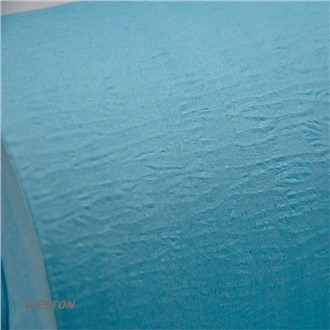
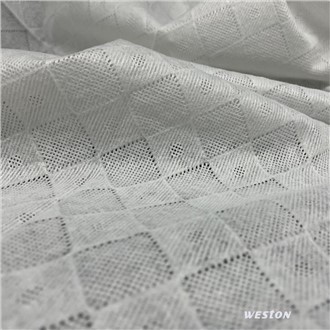
Spunlace nonwovens are produced by entangling fibers with high-pressure water jets. This process creates a fabric that closely resembles traditional textiles in softness and flexibility.
Key characteristics include:
- Cotton-like softness
- Excellent absorbency
- Strong wet strength
- Low lint generation
Because of these properties, spunlace materials are widely used for medical bedsheets, wipes, and patient care products.
SMS Nonwoven (Spunbond–Meltblown–Spunbond)
SMS nonwovens combine multiple layers of spunbond and meltblown polypropylene fibers.
This layered structure provides:
- Strong fluid barrier performance
- High bacterial filtration efficiency
- Good tensile strength
SMS fabrics are commonly used in surgical drapes, medical protective clothing, and some disposable bed coverings where fluid protection is critical.
Spunbond Polypropylene Nonwoven
Spunbond nonwoven fabrics are lightweight and cost-effective materials often used for examination table covers and disposable bedding.
Advantages include:
- Good durability for short-term use
- Lightweight structure
- Easy mass production
Although spunbond fabrics are not as soft as spunlace materials, they remain widely used in many healthcare settings.
Nonwovens: Building a Reliable Safety Barrier for Patients
Safety is one of the most important considerations in healthcare environments. Hospital-acquired infections (HAIs) remain a global concern, and contaminated textiles can contribute to the spread of pathogens.
Reusable cotton bedsheets may gradually lose their protective performance due to repeated washing cycles. Over time, laundering and sterilization can enlarge fabric pores, weaken fibers, and reduce the material's ability to block fluids and microorganisms.
Disposable nonwoven bedsheets address this issue by providing consistent, single-use protection.
Fact: Why Disposable Medical Bedding Improves Hygiene
Healthcare facilities increasingly adopt disposable bedding materials to reduce contamination risks.
Key hygiene advantages include:
- Single-use design eliminates cross-patient contamination
- Consistent material performance with every use
- Reduced exposure to contaminated laundry handling
- Lower risk of fluid penetration compared with worn textiles
Because the fabric is used once and discarded, each patient receives a clean and hygienic bedding surface.

Key Performance Properties of Medical Nonwoven Bed Sheets
High-quality medical nonwoven sheets are engineered to balance protection, durability, and comfort. Several technical properties determine their performance in healthcare environments.
Fluid Resistance
Medical bedsheets must prevent bodily fluids from penetrating the mattress surface. Some nonwoven structures incorporate hydrophobic fibers or layered designs to improve liquid resistance.
Breathability
Air permeability is important for patient comfort. Breathable fabrics allow heat and moisture to escape, helping maintain a dry sleeping surface.
Tensile Strength
Disposable bedsheets must withstand patient movement without tearing. Strong fiber bonding ensures the sheet remains intact during use.
Low Linting
Lint particles can carry bacteria and contaminate medical environments. High-quality nonwoven fabrics are engineered to minimize fiber shedding.
Skin Compatibility
Patients with fragile or sensitive skin require materials that are soft and non-irritating. Spunlace nonwovens are particularly valued for their gentle texture.
Comfort That Supports Healing, Not Discomfort
Patient comfort plays an important role in recovery. Individuals who spend long periods in bed-such as elderly patients or those recovering from surgery-are especially sensitive to bedding materials.
Modern nonwoven bedsheets are designed to provide a comfortable patient experience.
Soft Surface Texture
Spunlace nonwovens offer a soft feel similar to cotton, making them suitable for prolonged skin contact.
Moisture Control
Breathable fabric structures allow air circulation, which helps prevent moisture buildup and overheating.
Quiet and Flexible Fabric
Some traditional disposable materials produce noise when patients move. Spunlace fabrics are quieter and more flexible, reducing disturbances during rest.
Wrinkle Resistance
Smooth fabric surfaces help reduce pressure points that may cause discomfort for patients lying in bed for extended periods.
Where Disposable Nonwoven Bed Sheets Are Commonly Used
Disposable medical bedding products are now widely used in many healthcare and care-related environments.
Common applications include:
- Hospitals and surgical centers
- Emergency departments
- Ambulances and mobile medical units
- Long-term care facilities
- Rehabilitation centers
- Maternity wards
- Beauty and aesthetic treatment clinics
These environments require fast patient turnover, reliable hygiene control, and simplified cleaning procedures.
Disposable Nonwoven vs Reusable Cotton Bed Sheets
Healthcare facilities often evaluate both hygiene performance and operational costs when choosing bedding materials.
Below is a simplified comparison.
|
Feature |
Disposable Nonwoven Sheets |
Reusable Cotton Sheets |
|
Hygiene |
Single-use, reduced contamination risk |
Requires repeated laundering |
|
Fabric consistency |
Stable performance |
Degrades after many washes |
|
Labor requirements |
No laundry handling |
Laundry collection and processing required |
|
Storage needs |
Compact packaging |
Large storage areas required |
|
Patient turnover |
Faster bed preparation |
Additional cleaning time needed |
For high-turnover medical environments, disposable nonwoven bedding can significantly simplify operations.
Medical Hygiene Standards and Regulations
Medical textiles must meet strict hygiene and safety standards to ensure they are suitable for healthcare use.
Some commonly referenced quality systems include:
ISO 9001– quality management system for medical devices
EN 13795 – performance requirements for surgical gowns and drapes
FDA medical device regulations – applicable to certain disposable medical textiles in the United States
Manufacturers producing disposable medical bedding typically follow strict production controls to ensure product safety and consistency.
Companies such as Weston Nonwoven focus on producing medical-grade spunlace fabrics and disposable bedding materials designed to meet international healthcare requirements.
Practical Benefits for Healthcare Facilities
Disposable nonwoven bedding offers practical advantages beyond patient safety and comfort.
Reduced Laundry Workload
Hospitals handle large volumes of bedding every day. Disposable products eliminate washing, drying, and sterilization processes.
Faster Bed Turnover
Beds can be quickly prepared for the next patient, improving operational efficiency in busy medical facilities.
Space-Saving Storage
Compressed packaging allows hospitals to store large quantities of bedding in smaller spaces.
Useful in Emergency Situations
Disposable bedding is especially valuable in disaster response, field hospitals, and mobile healthcare units where laundry infrastructure may not be available.
Future Trends in Medical Nonwoven Materials
The medical nonwoven industry continues to evolve as healthcare providers seek materials that improve both performance and sustainability.
Several emerging trends include:
- Biodegradable nonwoven fibers to reduce environmental impact
- Plant-based materials such as viscose blends
- Antimicrobial fabric treatments for enhanced hygiene protection
- Improved spunlace technologies for softer and stronger fabrics
As these innovations develop, disposable medical textiles will continue to play a larger role in modern healthcare systems.
Nonwoven fabrics have transformed a simple hospital bedsheet into an important tool for improving hygiene, comfort, and efficiency in patient care. From soft spunlace disposable bedsheets to specialized medical drapes and cotton-based nonwoven materials, these engineered fabrics provide reliable performance where cleanliness and patient safety matter most.
For healthcare facilities seeking practical and hygienic bedding solutions, high-quality nonwoven materials offer a balanced approach that supports both patient well-being and efficient medical operations.