What Is 100% Bamboo Fiber?
Bamboo fiber has become increasingly visible in skincare products, household textiles, and nonwoven materials. Many consumers see the phrase on labels for towels, wipes, or cosmetic pads, yet the meaning behind it is often misunderstood.
In simple terms, 100% bamboo fiber refers to fibers whose cellulose source comes entirely from bamboo plants. However, the story behind this material involves plant biology, fiber science, and modern manufacturing methods. Understanding these steps helps explain why bamboo fiber is widely used in soft hygiene materials today.

Bamboo: A Plant with Unusual Growth Characteristics
Bamboo is not a tree. It belongs to the grass family and is known for its rapid growth cycle. Some species can grow extremely quickly, making bamboo a renewable plant resource in many regions.
Unlike hardwood trees that may require decades to mature, bamboo generally reaches harvest maturity in only a few years. After harvesting, the root system continues to grow and regenerate new shoots.
Key Facts About Bamboo Plants
- Bamboo belongs to the Poaceae (grass) family.
- Many commercial species reach maturity within 3–5 years.
- The plant contains a relatively high percentage of cellulose, the key component used to produce fibers.
Bamboo can regenerate naturally after harvesting without replanting.
Because cellulose is the primary building block of many textile fibers, bamboo becomes a practical raw material for fiber production.
How Bamboo Is Turned Into Fiber
Raw bamboo stalks are rigid and woody. They cannot be spun directly into soft textile fibers like cotton. Instead, manufacturers must extract the cellulose contained in the bamboo plant.
The most common process involves converting bamboo into regenerated cellulose fiber. During this process, cellulose is extracted, dissolved, and then reformed into fibers.

Basic Steps of Bamboo Fiber Production
Harvesting mature bamboo stalks
Breaking down the plant structure to isolate cellulose pulp
Processing the pulp into a workable cellulose solution
Regenerating fibers from the solution
Forming yarns, fabrics, or nonwoven materials
The resulting fiber is smooth, flexible, and suitable for applications that require softness and liquid absorption.
What "100% Bamboo Fiber" Means on Product Labels
When a product states 100% bamboo fiber, it generally indicates that the cellulose used to produce the fiber originates entirely from bamboo plants.
However, this does not mean the fiber is simply shredded bamboo. Instead, it refers to the cellulose source, which has been processed and regenerated into textile fibers.
Important Clarifications
"100% bamboo fiber" describes the raw material source.
The fiber itself is typically a regenerated cellulose fiber.
The final material is engineered for softness, flexibility, and absorbency.
Understanding this distinction helps consumers interpret product labels more accurately.
Types of Bamboo-Based Fibers
Different manufacturing technologies can produce bamboo fibers with slightly different properties.
Common Bamboo Fiber Categories
Bamboo viscose – widely used in textiles and wipes
Bamboo lyocell – produced through a closed-loop solvent system
Mechanically processed bamboo fiber – rare and more expensive
Although the raw material is bamboo, the final fiber properties depend heavily on the production method.
Physical Characteristics of Bamboo Fiber
Bamboo-based fibers are widely used in personal care materials because of their gentle texture and moisture-handling ability.
Typical Material Properties
Soft and smooth surface suitable for skin contact
Good moisture absorption
Breathable structure
Stable performance when processed into fabrics or nonwovens
Low lint generation in well-engineered materials
These characteristics make bamboo fiber useful in products such as 100% Bamboo Fiber Towels, facial wipes, and cosmetic cleansing pads.
Bamboo Fiber in Spunlace Nonwoven Materials
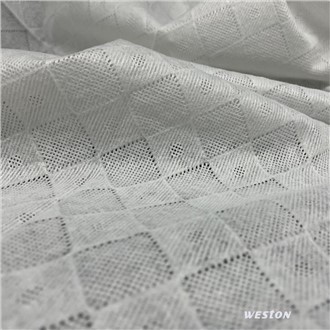
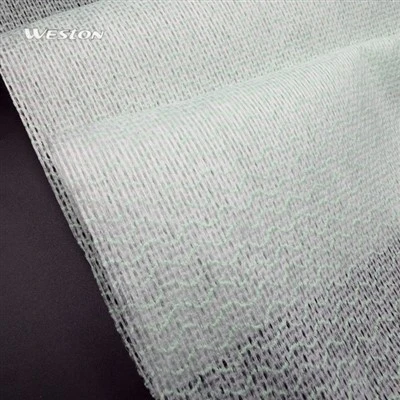
Beyond traditional textiles, bamboo fiber is frequently used in spunlace nonwoven fabrics. This technology uses high-pressure water jets to entangle fibers into a fabric structure without weaving.
The resulting material is soft, flexible, and suitable for disposable hygiene products.
Common Applications
- facial cleansing pads
- cosmetic remover pads
- sheet masks
- disposable towels
- wet wipes
Different skincare routines require different fabric weights and structures. As a result, manufacturers often develop different GSM facial cleansing and makeup remover pads to meet specific absorbency and softness requirements.
Specialized producers in this field, including experienced bamboo fabric nonwoven manufacturer suppliers, focus on optimizing fiber blends and fabric structures for cosmetic brands.
A Detail Often Overlooked: Bamboo Species Matter
Not every bamboo species is suitable for fiber production. From an industrial perspective, the most important factor is cellulose content. Only bamboo varieties with sufficiently high fiber content can be processed economically into regenerated cellulose fibers.
Bamboo Selection Standards in Professional Manufacturing
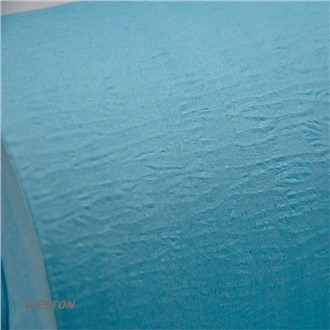
In specialized factories such as Weston Nonwoven, raw material selection is treated as a critical step in quality control. When producing bamboo nonwoven fabric rolls, the factory follows strict sourcing requirements.
Key points include:
- Only mature bamboo is used as raw material, ensuring higher fiber yield.
- Bamboo species are carefully selected for their cellulose content.
- Commonly used species include Cizhu bamboo, Longzhu bamboo, and Huangzhu bamboo grown in Sichuan, China.
These species typically contain 46%–52% fiber content, which is considered ideal for cellulose extraction.

Why This Matters
- Higher cellulose content improves fiber production efficiency.
- Mature bamboo produces more stable pulp quality.
- It reduces waste during fiber extraction.
From an economic and manufacturing perspective, bamboo species with lower fiber content are rarely used because they are inefficient to process into textile-grade cellulose fibers.
Why Bamboo Fiber Is Popular in Skincare Materials
Many skincare products require materials that are gentle, absorbent, and stable during use. Bamboo fiber meets these functional requirements when processed correctly.
Advantages in Facial Care Products
- Soft surface suitable for delicate skin
- Good liquid retention for toner or cleansing water
- Smooth fiber structure that reduces lint
- Compatibility with spunlace production technology
These characteristics allow manufacturers to produce products like 100% Bamboo Fiber Towels and soft cosmetic pads designed for daily skincare routines.
Factories that specialize in spunlace materials, including Weston Nonwoven, often develop customized fabric structures for different GSM facial cleansing and makeup remover pads, depending on whether the product is intended for toner application, makeup removal, or gentle exfoliation.
A Material Rooted in Both Nature and Engineering
Bamboo fiber begins with a rapidly growing plant, but the final material is the result of careful processing and fiber engineering. The cellulose extracted from bamboo becomes a soft, versatile fiber used in textiles, hygiene products, and nonwoven fabrics.
From the selection of high-fiber bamboo species to the formation of spunlace materials, every step affects the final performance of the product. This combination of natural raw material and modern manufacturing is what allows bamboo fiber to play a growing role in skincare and personal care materials today.