What Wipes to Use While Camping?
Camping often means stepping away from running water, bathrooms, and daily conveniences. After a long hike, dusty trail, or a day spent cooking outdoors, basic hygiene becomes harder to maintain. This is where wipes become one of the simplest and most practical tools in a camping kit.
The key question is not whether to bring wipes, but what wipes actually work well in outdoor environments. Different materials, sizes, and formulations perform very differently once you leave the comfort of home.
Below is a practical guide to understanding which wipes are most suitable for camping and why.

Why Wipes Are Useful in Outdoor Camping
Wipes serve several basic but important functions in the outdoors. They are not a luxury item; they are a practical hygiene tool.
Quick Personal Cleaning
When showers are unavailable, wipes help remove sweat, dirt, and salt from the skin. This can improve comfort and reduce skin irritation during multi-day trips.
Hand Hygiene Before Meals
Clean hands are essential when cooking or eating outdoors. Wipes provide a fast way to remove dirt and reduce contamination.
Simple Gear Cleaning
Camping tables, stoves, utensils, and knives often need quick cleaning. A durable wipe can handle light dirt or grease.
Basic Field Hygiene
Small cuts or scrapes often happen while hiking. Wipes can help clean surrounding skin before applying proper first aid.
Main Types of Wipes Used While Camping
Not all wipes are designed for outdoor conditions. Understanding the common types helps campers choose more practical options.
Body Cleaning Wipes
These are designed for personal hygiene. They are usually:
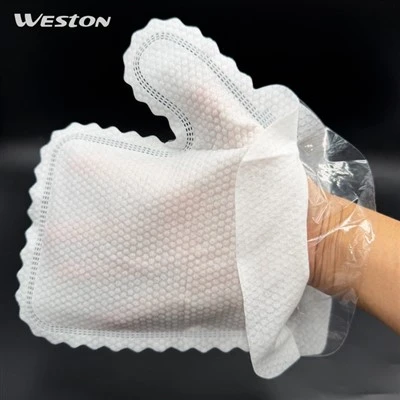
Larger than regular household wipes
Soft enough for repeated skin contact
Strong enough to wipe sweat and dirt
Many campers rely on camp-style body wipes to freshen up after hiking.
Biodegradable Camping Wipes
Environmental impact matters in natural areas. Biodegradable wipes are made with plant-based fibers and are designed to break down faster than synthetic materials.
Common raw materials include:
- viscose
- cotton
- bamboo fiber
- lyocell
Products such as biodegradable wipes for camping are widely used by hikers who follow "leave no trace" principles.
Antibacterial Hand Wipes
These wipes contain mild disinfecting ingredients. They are useful for:
- cleaning hands before meals
- handling food outdoors
- basic hygiene during long trips
However, they should not replace proper washing when clean water is available.
Multi-Purpose Outdoor Wipes
Some wipes are designed to handle both personal cleaning and light surface cleaning. These are usually thicker and more durable.
Key Features to Look for in Camping Wipes
Outdoor conditions place different demands on wipes compared with household use.
1. Larger Wipe Size
Camping wipes should cover more surface area.
Benefits include:
fewer wipes used per cleaning
better body coverage
more efficient packing
Large-format wipes are particularly helpful for full-body cleaning.
2. Strong Nonwoven Structure
Outdoor wipes must resist tearing.
Typical materials include:
spunlace nonwoven fabric
viscose–polyester blends
cotton spunlace
These materials combine flexibility with mechanical strength.
3. Softness for Skin Contact
Even durable wipes must remain gentle on skin. Repeated wiping with rough materials can cause irritation, especially in hot weather.
Soft nonwoven fabrics balance durability with comfort.
4. Low Fragrance
Strong scents can attract insects in natural environments. Many experienced campers prefer:
unscented wipes
lightly scented formulas
This reduces unwanted attention from bugs.
5. Reliable Packaging
Wipes dry out quickly if the packaging fails.
Look for packs with:
tight resealable lids
thick plastic packaging
travel-friendly size
A well-sealed pack keeps wipes usable throughout a long trip.

Materials Commonly Used in Camping Wipes
The performance of a wipe is largely determined by the nonwoven material used.
Cotton Spunlace
Characteristics:
natural fiber
high absorbency
very soft texture
Cotton wipes are often used for skin-sensitive applications.
Viscose-Based Nonwoven
Viscose fibers are plant-derived and widely used in biodegradable wipes.
Advantages include:
smooth surface
good moisture absorption
flexible structure
Viscose–Polyester Blends
This is one of the most common wipe materials.
Typical benefits:
higher strength
good softness
better resistance to tearing
Blended spunlace fabrics are widely used in outdoor wipes.
Bamboo Fiber Wipes
Bamboo-based materials are gaining popularity for eco-conscious camping products.
They provide:
natural fiber structure
breathable texture
moderate absorbency
Situations Where Wipes Are Most Helpful During Camping
Camping wipes become most useful in specific daily situations.
After Hiking
Long hikes lead to sweat, salt buildup, and dust. A few wipes can make a noticeable difference in comfort.
Before Cooking
Cleaning hands before preparing food reduces contamination risk.
Inside the Tent
Wipes can help clean:
spilled drinks
mud from gear
condensation around sleeping areas
At Campsites Without Water
Remote campsites sometimes have limited water access. Wipes help maintain basic hygiene in these situations.
Environmental Responsibility When Using Wipes
Even eco-labeled wipes should be used responsibly outdoors.
Key principles include:
Always Pack Out Used Wipes
Used wipes should be stored in a trash bag and carried out of the campsite.
Do Not Bury Wipes
Many wipes degrade slowly underground and may be exposed by animals.
Choose Lower-Impact Materials
Plant-based wipes can reduce long-term environmental impact compared with fully synthetic wipes.
A Quiet Role of Nonwoven Materials in Camping Hygiene
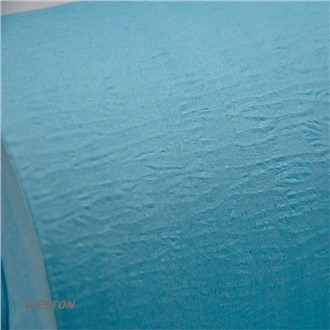
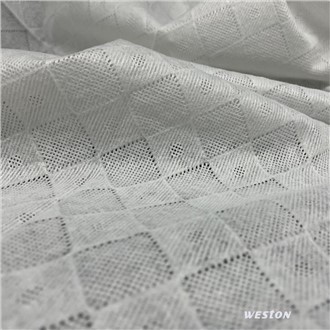
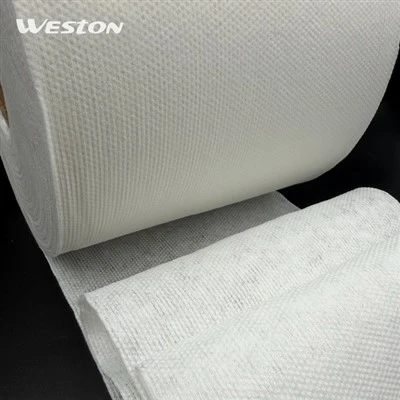
Behind every camping wipe is a nonwoven material that determines softness, strength, and absorbency. Spunlace nonwoven fabrics are especially common because they combine durability with a cloth-like feel.
Manufacturers such as Weston Nonwoven produce spunlace materials in different weights and fiber blends for outdoor hygiene products. These fabrics are used in large-format wipes such as Camp Shower Wipes and environmentally oriented products like biodegradable wipes for camping. The goal is simple: provide wipes that are strong enough for outdoor use while remaining comfortable for skin contact.
Practical Tips for Packing Camping Wipes
Experienced campers often follow a few simple rules:
Pack Multiple Small Packs
Smaller packs reduce contamination and prevent the entire supply from drying out.
Keep Wipes Accessible
Store wipes in outer backpack pockets or cooking kits for quick use.
Bring a Trash Bag
Used wipes should always be packed out with other waste.
Camping gear does not always need to be complex. Sometimes the most practical tools are the simplest ones. A well-chosen pack of wipes can handle cleaning tasks that would otherwise require water, soap, and extra effort-making outdoor life a little more comfortable while keeping campsites clean and responsible.