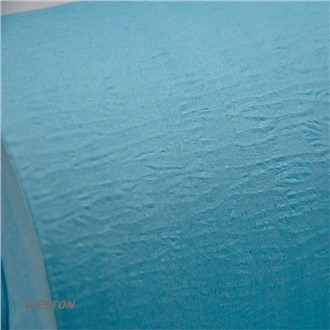
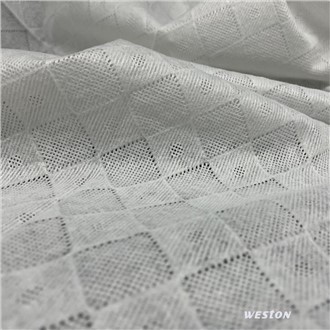
1.Don't Be Tricked by "Disposable"! Its Lifespan Isn't a Fixed Answer
"Disposable" is often misunderstood as a strict guideline for immediate disposal after one use. In reality, the lifespan of disposable bed sheets hinges on three key variables. Generally, under healthy conditions, these sheets can last anywhere from 1 to 3 nights. However, in certain scenarios, using them even for an extra night can compromise safety. Have you ever wondered if you should bring your own disposable bed sheets while traveling? If they look clean after two nights, is it safe to use them for one more? This guide will clarify the "lifespan math" for you.
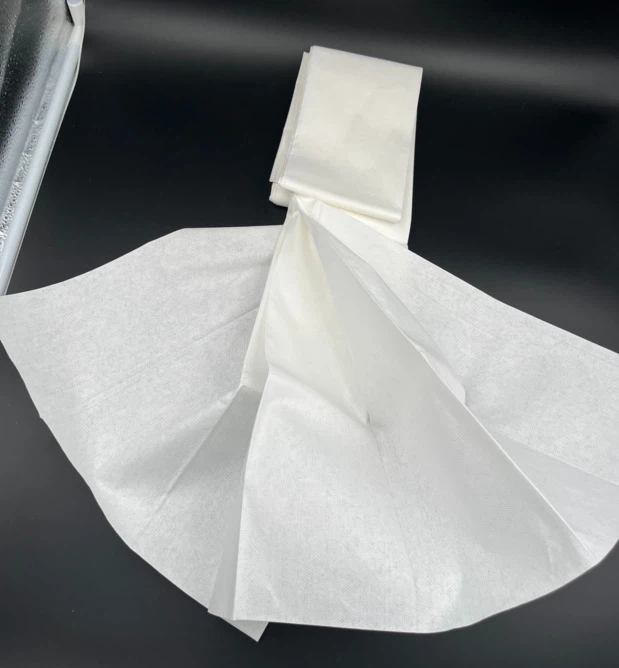
2.The "Lifespan Code" of Disposable Bed Sheets Relies on These 3 Hard Indicators
2.1 Material: The Foundation of "Physical Lifespan"
Spunbond nonwovens (most common): Medium toughness allows them to withstand 2–3 nights with normal use. Frequent turning may cause pilling and snagging after 3 nights.
Meltblown nonwovens (thicker type): With high density and better wear resistance, these can last 3–5 nights for short-term household use. However, their poor breathability makes them unsuitable for long-term use.
SMS composite nonwovens (medical/high-end type): Waterproof and impermeable, they can last over 5 nights. These are primarily designed for medical scenarios where the principle is "one use, one replacement" to prevent cross-infection.
2.2 Scenario: The Key to "Safety Lifespan"
Household scenarios (short-term use): If there are no spills or obvious stains, follow the material's lifespan-spunbond for 2 nights, meltblown for 4 nights.
Hotel/B&B scenarios: Even if sheets look clean, it's best to replace them every night. You cannot ascertain if the previous user had any skin issues, and hotels may not fully disinfect disposable sheets.
Medical/post-surgical scenarios: Strictly "one use, one replacement" is essential-even if laid for just 1 hour. The primary function is to isolate germs; once used, the risk of contamination arises.
2.3 Usage Intensity: The Variable of "Actual Lifespan"
Single vs. double use: Frequent turning in double use increases friction, reducing lifespan by 1–2 nights. For instance, spunbond sheets can last 3 nights for single use but only 2 nights for double use.
Stains/damage: Any spills or stains require immediate replacement-even if used for just 1 hour. Liquids can seep in, breed bacteria, and weaken the material, making it more prone to tearing.
3. Pitfalls to Avoid: 3 "Lifespan Myths" Don't Step On Them!
Myth 1: "Thicker means more durable and longer-lasting." While thicker meltblown sheets are more wear-resistant, their poor breathability traps sweat, accelerating bacterial growth-"durable" doesn't equal "usable for longer."
Myth 2: "If it's not dirty, it can be used forever." Skin sheds dead cells and secretes oils daily. Even if the sheets appear clean, they harbor food for dust mites. After 5 nights, the number of dust mites can double, leading to skin irritation.
Myth 3: "After use, they can only be thrown away-it's not eco-friendly." Some disposable sheets labeled "biodegradable" can decompose in soil. They can also be washed and reused as "disposable dust covers" for furniture or clutter, extending their "secondary lifespan"-but never use them as bed sheets again.
4. Practical Tips: How to Use Them Without Waste and Safely?
Choose the right material: For daily household use, select spunbond nonwovens (cost-effective and breathable); for hosting guests, opt for meltblown nonwovens (wear-resistant); for medical use, choose SMS composite nonwovens (replace as required).
Remember the replacement timing: For household use, adhere to material guidelines (1–3 nights for spunbond, 3–5 nights for meltblown); for travel, replace nightly; for medical use, follow "one replacement per use."
Disposal method: Biodegradable sheets without contamination can be buried in soil or used as dust covers; those with stains or damage should be discarded immediately (do not place in recycling bins, as most nonwovens are non-recyclable).
The lifespan of disposable bed sheets is not defined by how many times they are used but by how long the material lasts, the specific scenario, and safety considerations post-use. Choosing the right product, using it appropriately, and disposing of it correctly ensures minimal waste and optimal health protection.
Weston, a professional factory, excels in manufacturing disposable nonwoven products, including eco-friendly wood pulp PP Disposable Spunlace Nonwoven Bed Sheets. They also produce specialized healthcare items like Bariatric Hospital Bed Sheets and Waterproof Hospital Bed Pads to meet diverse medical needs.