Do Biodegradable Wipes Mean Flushable?
It sounds simple. If a wipe is biodegradable, it should be safe to flush. Many people think this way. The word "biodegradable" feels safe and responsible. But in practice, it does not mean what most people expect.
This confusion is common, and it leads to real problems in homes and city sewer systems. To understand why, we need to separate two ideas that are often mixed together: biodegradable and flushable.

What "Biodegradable" Really Means
Biodegradable is about eventual breakdown, not immediate behavior.
Key facts about biodegradable materials:
They can be broken down by microorganisms
The process may take weeks, months, or even longer
It depends heavily on the environment (soil, compost, industrial treatment)
Water alone is often not enough to break them down quickly
A wipe labeled biodegradable may perform well in composting conditions. But a toilet and sewer system are not composting environments.
What "Flushable" Requires
Flushable is about performance in water systems, not long-term degradation.
A truly flushable product should:
Disperse quickly after flushing
Break into small pieces under light agitation
Flow through pipes without catching or clumping
Not interfere with wastewater treatment
Toilet paper is designed for this. Most wipes are not.
The Critical Gap: Speed of Disintegration
The difference comes down to one simple factor: time.
Toilet paper starts to fall apart within seconds.
Most wipes-biodegradable or not-stay intact much longer.
Why wipes are stronger:
They are made with longer, stronger fibers
The structure is designed to stay wet and usable
They resist tearing during use
This strength is useful in your hand, but a problem in pipes.
Why Biodegradable Wipes Still Clog Systems
Even if a wipe will eventually break down, it may not break down fast enough.
Common issues caused by wipes:
Fibers stay intact and catch on rough pipe surfaces
Wipes combine with grease and debris
Large clumps form inside sewer lines
These clumps can grow into solid masses, blocking flow and requiring costly removal.
What Happens After You Flush
Once flushed, a wipe enters a complex system.
In real wastewater systems:
Flow is slower than expected
Materials are not constantly agitated
Debris accumulates over time
A wipe that seems harmless in one flush can become part of a larger blockage later.
This is why many municipalities advise against flushing wipes of any kind.

Why Labels Can Be Confusing
There is no single global standard that defines "flushable" in a strict way. Testing methods vary, and results can differ.
Important points about labeling:
"Biodegradable" does not guarantee fast breakdown in water
"Flushable" claims are not always consistent across brands
Marketing language often focuses on sustainability, not system compatibility
This creates a gap between expectation and reality.
Materials Matter More Than Claims
To move closer to truly safe wipes, the focus must shift to materials and structure.
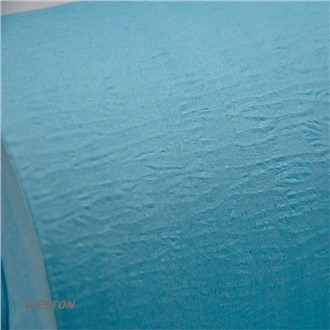
Modern nonwoven technology allows the use of plant-based fibers that balance strength and dispersibility. For example, Weston Nonwoven develops substrates using full cotton, bamboo fiber, lyocell, PLA, and other plant-based fibers. These materials are renewable and can be engineered for better environmental performance.
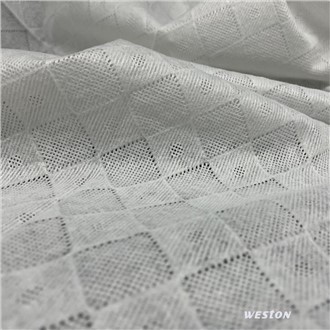
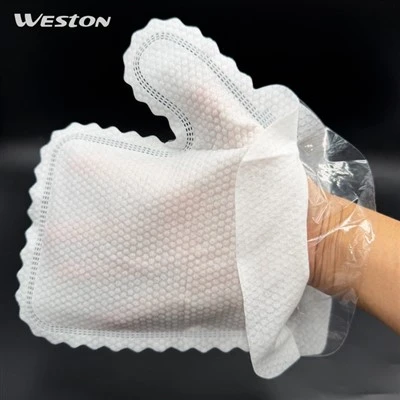
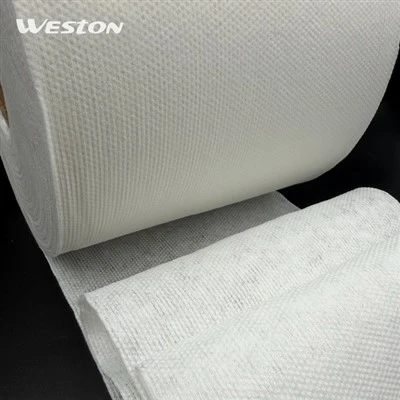
Their portfolio includes Flushable Wipes Substrate and Cotton Degreased Nonwoven Fabric, designed with controlled fiber bonding and weight to improve both usability and breakdown behavior.
A Closer Look at Fiber Choices
Different fibers behave differently in water.
Common plant-based options:
Cotton: soft, natural, good absorbency
Lyocell: smooth, uniform, better dispersion potential
PLA: bio-based polymer, industrial compost compatibility
Bamboo fiber: strong, naturally derived, renewable
At Weston Nonwoven, these fibers can be blended and adjusted by weight and structure to meet different wipe applications, including dry wipes and wet wipes.
One Detail That Matters: Bamboo Fiber Quality
Not all bamboo fibers are the same. Raw material selection directly affects performance.
When producing bamboo nonwoven rolls, Weston Nonwoven uses mature bamboo instead of immature sources. The factory selects bamboo grown in Sichuan, China-such as Ci bamboo, Long bamboo, and Yellow bamboo.
Why this matters:
Fiber content reaches 46%–52%
Higher fiber content improves consistency and strength
The final fabric is more stable and reliable
This level of control at the raw material stage is often overlooked, but it shapes the final product quality.
Manufacturing Standards and Safety
Material design is only part of the story. Production control also matters.
Weston Nonwoven operates under:
- FSC certification (responsible sourcing)
- ISO9001 (quality management)
- FDA-related compliance for applicable products
- SGS food contact certification for natural bamboo fiber
These certifications support traceability, consistency, and safety across applications.
So, Can You Flush Biodegradable Wipes?
The practical answer is still simple.
Quick guideline:
Biodegradable does not equal flushable
Most wipes should not be flushed
Dispose of wipes in the trash unless clearly proven otherwise
Even with improved materials, real-world systems are complex. The safest habit remains unchanged.
A More Grounded Way to Think About Wipes
Sustainability is not just about what a product is made from. It is also about how it is used and where it ends up.
Better materials-like those developed by Weston Nonwoven using plant-based fibers-are part of the solution. But responsible disposal is just as important.
Understanding the difference between "biodegradable" and "flushable" is a small step. In practice, it prevents bigger problems that most people never see, but everyone eventually pays for.