Bulk Buying Guide: Optimizing Disposable Kitchen Wipes for Commercial Use
In commercial kitchens, cleaning is constant. It is fast, repetitive, and non-negotiable. Every surface must be safe. Every spill must be handled quickly. This is where disposable kitchen wipes become essential.
For buyers, the goal is simple. Reduce cost. Improve efficiency. Maintain hygiene. But achieving all three at the same time requires smarter decisions, not just cheaper products.
What Makes Commercial Kitchen Cleaning Different
A home kitchen is predictable. A commercial kitchen is not.
You deal with:
Oil and grease buildup
Water and liquid spills
Protein residue from meat and seafood
Strong cleaning chemicals
These conditions demand wipes that perform under pressure. Weak wipes slow down work. Poor absorbency increases usage. Lint creates contamination risks.
This is why many operators standardize their Daily Kitchen Wipes instead of buying random low-cost options.
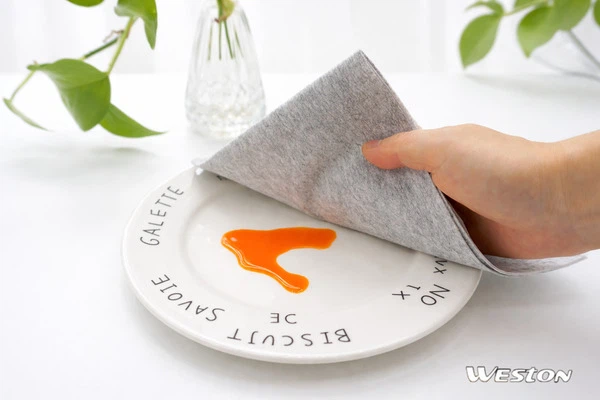
Absorbency First. Always
Absorbency is the first filter when choosing wipes.
A good wipe should:
Absorb liquid quickly
Hold moisture without dripping
Reduce the number of sheets per task
Low absorbency leads to waste. Staff will simply use more wipes. This increases cost without improving results.
Blended materials, especially wood pulp with polyester, are widely used. They combine fast absorption with structural strength. This makes them suitable for high-frequency cleaning.
Strength Matters More When Wet
Dry strength is not enough. In real kitchens, wipes are always used wet.
Weak wipes:
Tear during scrubbing
Leave fragments on surfaces
Interrupt workflow
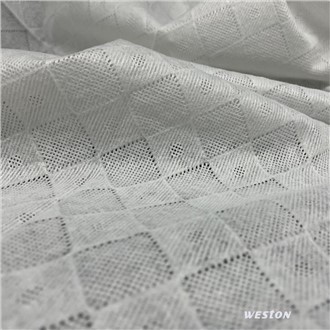
Strong spunlace nonwoven wipes maintain integrity. Even under pressure. Even when soaked with chemicals.
This reduces frustration. It also reduces total consumption.
Match Texture to the Job
Not all surfaces need the same wipe.
Smooth Surfaces
Use plain texture wipes.
Best for glass, stainless steel, and prep tables.
Focus on low lint and even wiping.
Moderate Dirt
Use lightly textured wipes.
They improve dirt pickup without scratching.
Heavy Grease
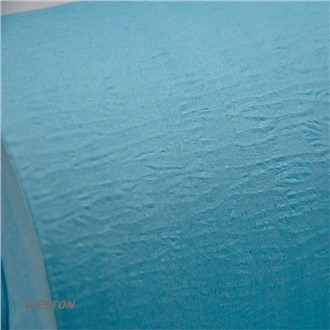
Use high-friction embossed wipes.
They remove stubborn residue faster.
They reduce the need for repeated scrubbing.
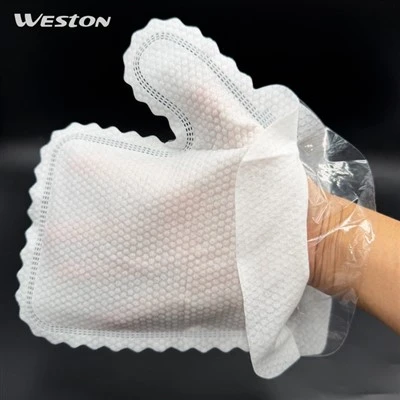
Many buyers now request custom plain and high-friction nonwoven kitchen wipes for different cleaning intensities. This avoids overpaying for heavy-duty wipes in light tasks.

GSM: Do Not Overbuy Thickness
Thickness does not equal efficiency.
30–50 GSM: light cleaning
50–70 GSM: general kitchen use
70+ GSM: heavy-duty zones
Using high GSM everywhere is wasteful. Smart buyers match GSM to actual needs.
Cost Per Use, Not Cost Per Piece
Cheap wipes are rarely cheap in real use.
They often:
Tear easily
Require multiple sheets
Slow down cleaning
The real metric is cost per task.
Ask:
How many wipes are used per cleaning job?
How long does the task take?
How much waste is generated?
High-performance wipes often reduce total cost. Even if unit price is higher.
Format Impacts Consumption
Packaging affects behavior.
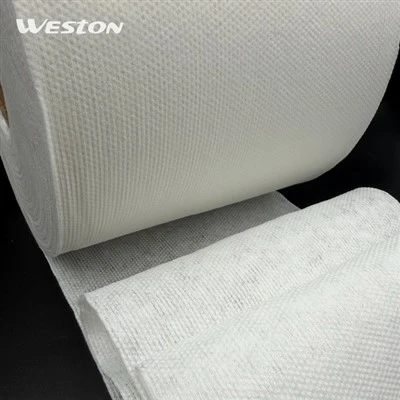
Roll Wipes
Good for busy kitchens
Continuous use
Works with dispensers
Pre-Cut Sheets
Better usage control
Less waste
Easier cost tracking
Simple format changes can reduce consumption by 10–20%.
Hygiene and Compliance Are Non-Negotiable
Wipes are part of your food safety system.
They must:
Be low lint
Leave no harmful residue
Work with disinfectants
Certifications matter. Products with SGS food contact certification and compliance with EU standards provide stronger assurance. This is especially important for regulated markets.
Material Flexibility for Scalable Operations
Large kitchens and multi-site operations need flexibility.
A reliable supplier should offer:
Different materials
Multiple GSM options
Custom sizes and textures
This allows buyers to standardize supply while adapting to real use cases.
Solutions like kitchen wipes available in multiple materials and weights help balance performance and cost across different departments.
Sustainability: Focus on Reduction
Do not focus only on labels like "eco" or "biodegradable."
Focus on:
Using fewer wipes per task
Reducing packaging waste
Choosing efficient production sources
Less consumption equals lower environmental impact. This is the most practical approach.
Supplier Selection Defines Long-Term Success
Product quality is only one part of the equation. Supply stability is equally important.
A strong Professional Cleaning Wipes Supplier should provide:
- Consistent quality across batches
- Reliable lead times
- Customization capability
- Experience in commercial applications
Spunlace nonwoven manufacturers, such as Weston Nonwoven, are often preferred for their ability to support scalable Daily Kitchen Wipes programs with consistent performance.
A Practical Way to Think About Bulk Buying
Do not treat wipes as a simple consumable. Treat them as part of your operational system.
When you align:
- Material
- Texture
- GSM
- Format
- Supply
You reduce waste. You save time. You improve hygiene.
That is where real cost optimization happens.