When Not to Use Microfiber Cloth?
Microfiber cloths are widely used because they clean fast, absorb well, and leave fewer streaks. In many daily tasks, they perform better than traditional cotton rags. But like any material, microfiber has limits. Using it in the wrong situation can reduce cleaning efficiency, damage surfaces, or even create hygiene risks.
Understanding where microfiber does not work well helps you make better, more practical choices.
High Heat Is Not Compatible with Microfiber
Microfiber is made from synthetic polymers. These fibers soften under heat and can deform when exposed to high temperatures.
If you use microfiber on:
Hot stovetops
Oven doors right after use
Heated industrial equipment
you may notice the cloth losing its structure or leaving marks behind. In extreme cases, fibers can melt slightly and stick to the surface.
For these tasks, natural materials handle heat more safely. Options like cotton-based wipes or plant-derived nonwoven cloths provide better thermal stability without damaging the cleaning tool.
Thick Grease Requires More Than Absorption
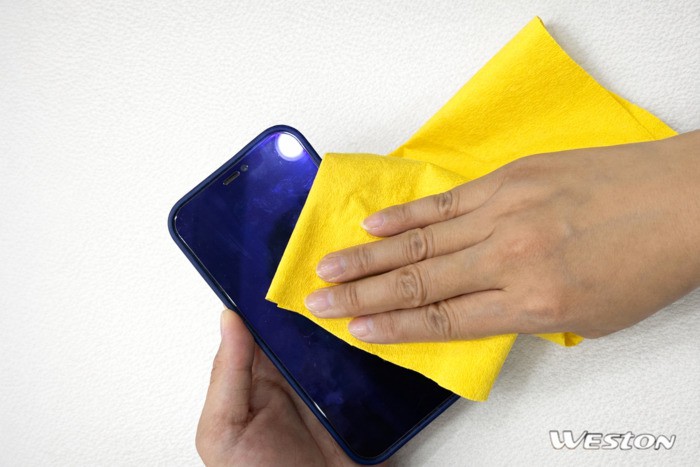
Microfiber is excellent at picking up light oils and dust. But when grease becomes heavy-such as in kitchen exhaust systems or machinery-microfiber reaches its limit quickly.
Instead of lifting grease, it often:
Smears oil across the surface
Becomes saturated too fast
Requires repeated washing to recover
In these cases, stronger absorbent structures are more efficient.
Hygiene-Sensitive Areas Need More Control
Microfiber is reusable, which is both its strength and its weakness.
In environments like:
Commercial kitchens
Food processing areas
Healthcare settings
reusing cloths without strict control can lead to cross-contamination. Even after washing, residues or microorganisms may remain if the process is not standardized.
This is why many professionals combine systems:
Reusable cloths for general cleaning
Disposable or biodegradable wipes for critical zones
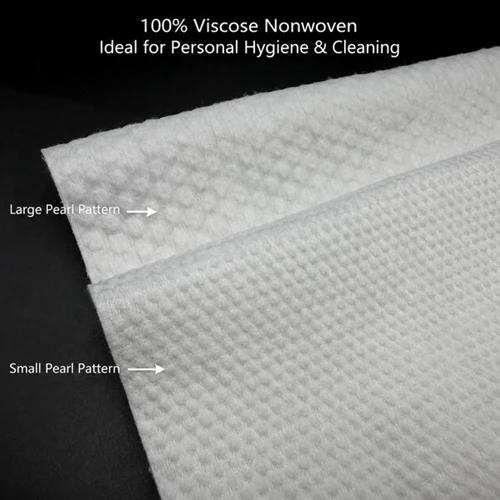
Here, materials such as 100% plant-based dry and wet wipes made from cotton, bamboo fiber, lyocell, or PLA offer a practical balance. They reduce contamination risks while maintaining good cleaning performance.
Rough Surfaces Damage Microfiber Quickly
Microfiber performs best on smooth surfaces like glass, stainless steel, and sealed countertops. On rough or uneven materials, it struggles.
Typical problem surfaces include:
Raw wood
Concrete
Rusted or chipped metal
The fine fibers tend to snag, which leads to:
Faster wear and tear
Reduced cleaning ability
Fiber shedding
In these situations, more durable materials are required. Heavier nonwoven fabrics with adjustable weight (GSM) can better withstand abrasion without breaking down quickly.
Strong Chemicals Can Break Down the Fibers
Microfiber is sensitive to certain chemicals. Repeated exposure to harsh agents can weaken the fibers and reduce performance.
Problematic substances include:
High-concentration chlorine
Strong alkaline cleaners
Solvent-based solutions
Over time, the cloth loses its ability to trap dirt and absorb liquids.
When working with aggressive chemicals, it is safer to match the wipe material to the formulation. Many industrial users turn to biodegradable nonwoven cloths available in different materials and weights, which can be selected based on chemical compatibility.
Maintenance Is Not Always Practical
Microfiber needs proper care to maintain its performance:
No fabric softener during washing
Controlled drying temperature
Separation from lint-producing fabrics
Without this, the cloth quickly loses effectiveness. In high-turnover environments, this maintenance process adds time and cost.
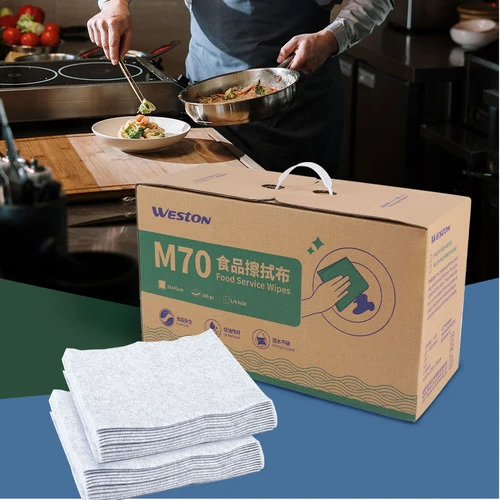
For operations that prioritize speed and consistency, single-use or semi-disposable solutions can be more efficient. Materials designed for controlled use cycles reduce the burden of washing and sorting.
A Broader Material Perspective
No single cleaning material fits every task. Microfiber remains a strong option for:
Glass cleaning
Dust removal
Light-duty surface wiping
But in more demanding scenarios, alternatives become necessary.
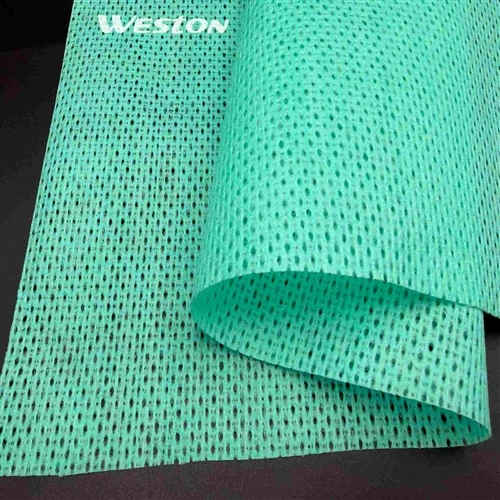
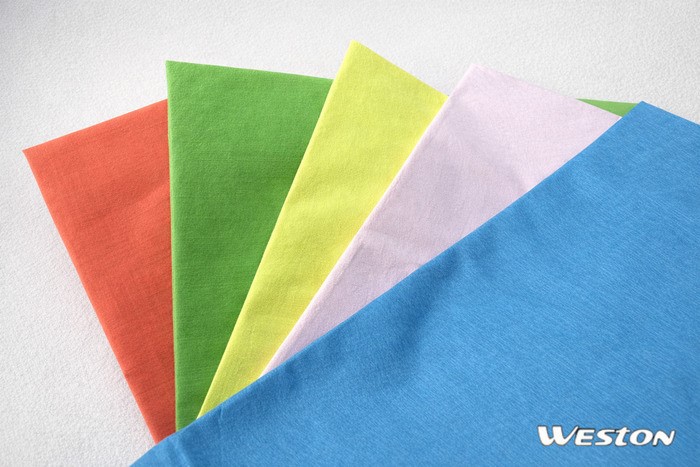
Modern nonwoven manufacturing offers a wider range of choices. For example, Weston Nonwoven provides reusable microfiber cloths alongside biodegradable nonwoven wipes made from cotton, bamboo fiber, lyocell, and PLA, with different weights and structures to match specific applications. These materials are designed to balance performance, hygiene, and environmental impact.
Their production system is supported by certifications such as FSC, ISO9001, and FDA, along with SGS Food Contact certification for natural bamboo fiber products, which ensures safer use in sensitive environments like food handling.
Choosing Based on Reality, Not Habit
It is easy to rely on microfiber for everything because it is familiar and convenient. But practical cleaning is not about habit-it is about fit.
When surfaces are hot, greasy, rough, chemically aggressive, or hygiene-critical, microfiber may not be the best tool. In these cases, switching materials improves both efficiency and results.
A well-structured cleaning system often uses multiple materials:
Microfiber where precision matters
Plant-based or nonwoven alternatives where conditions are more demanding
This approach is simple, flexible, and grounded in real use-not assumptions.