How to stay clean while camping with no shower?
Outdoor enthusiasts often face a common physiological challenge: maintaining skin integrity and hygiene when traditional plumbing is unavailable. Whether trekking through remote wilderness or camping in arid climates, the human body continues to produce sebum, sweat, and metabolic waste. Without a strategy to manage these biological outputs, campers risk skin irritation, fungal growth, and decreased morale.
Effective backcountry hygiene is not about replicating a bathroom experience; it is about the targeted mechanical removal of bacteria, salts, and organic residues from key areas of the body.
The Physiology of "Camp Grime"
To stay clean, one must understand what "dirty" actually means in a wilderness context. The primary concern is not visible mud, but the invisible accumulation on skin surfaces.
Salt Accumulation
As sweat evaporates, it leaves behind sodium chloride crystals. These act like microscopic abrasives, increasing friction against the skin and contributing to chafing-one of the most common causes of discomfort and reduced mobility in outdoor activities.
Bacterial Proliferation
Moist microenvironments in areas such as the armpits, groin, and feet encourage bacterial growth. These bacteria metabolize sweat components into short-chain fatty acids, producing characteristic body odor commonly associated with extended physical exertion.
Pore Occlusion
Sunscreen, insect repellent, smoke particulates, and environmental dust can form a semi-occlusive film over the skin. This interferes with normal thermoregulation and may contribute to heat rash or folliculitis if not periodically removed.
Strategic Hygiene: The "Hotspot" Protocol
When water is limited, full-body washing is inefficient. A more rational approach is targeted hygiene focused on critical zones.
These zones include:
- Face
- Underarms
- Groin
- Feet
Together, they account for the majority of odor generation and bacterial load. A consistent nightly cleaning routine removes accumulated salts and organic residues before sleep, minimizing irritation and preventing contamination of sleeping systems.
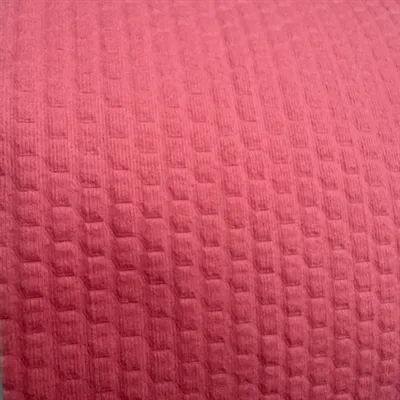
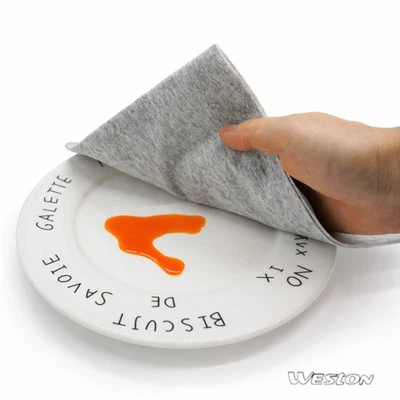
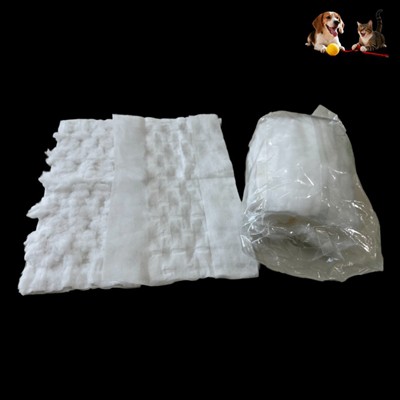
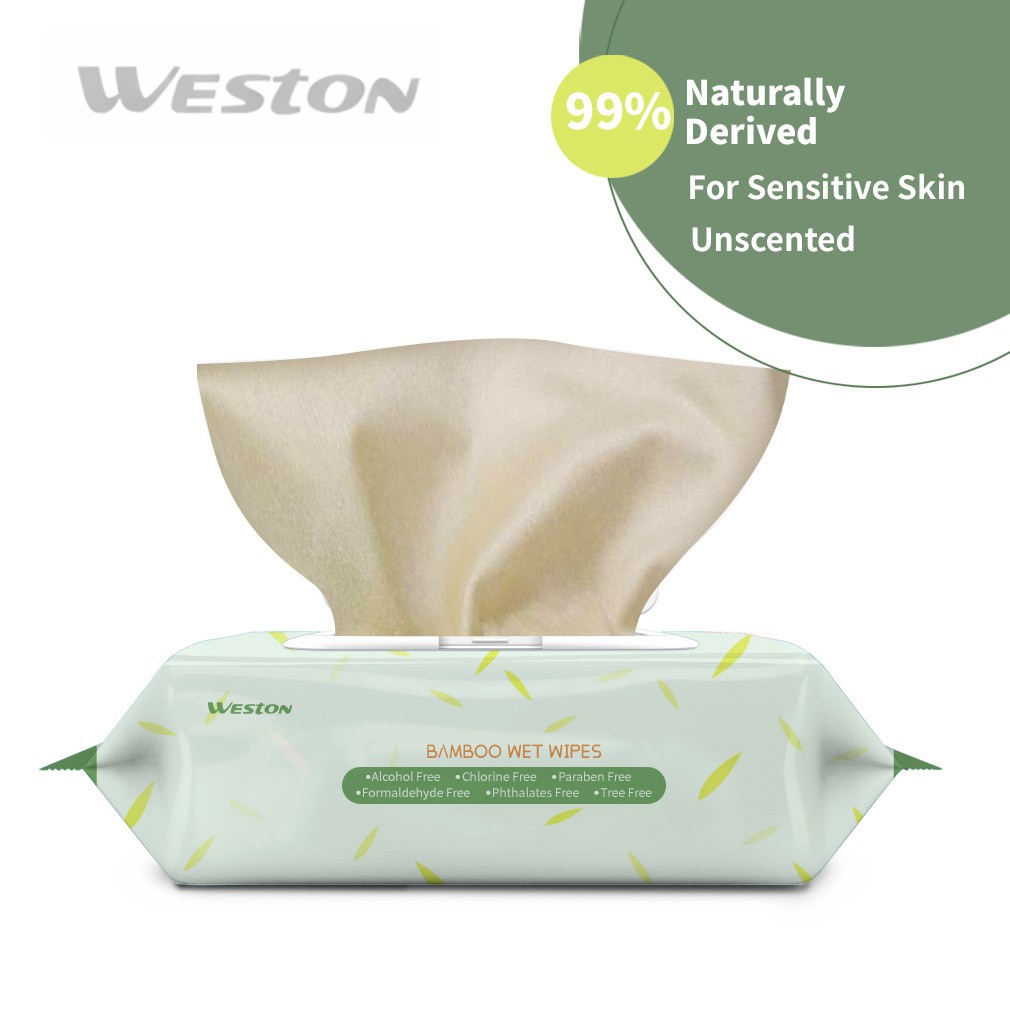
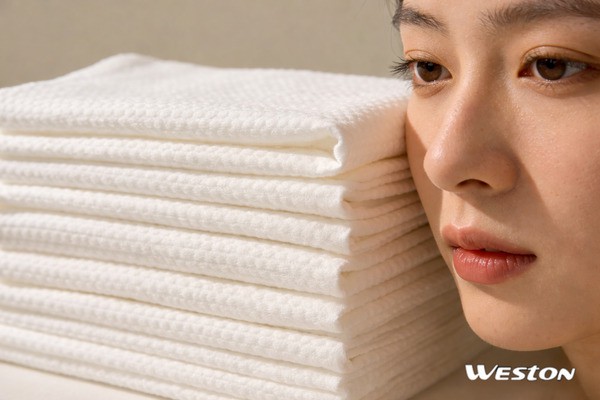
Material choice is critical. Many outdoor users now prefer high-performance nonwoven wipes instead of traditional towels. Advanced spunlace nonwoven fabrics, produced via hydroentanglement, provide a textile-like structure with high tensile strength and effective surface friction. This allows for mechanical debris removal without rapid material breakdown.
The Role of Material Science in Skin Hygiene
The effectiveness of waterless hygiene depends heavily on wipe composition and surface engineering.
1. Mechanical Lifting
Textured spunlace surfaces are designed to lift particulate matter rather than smear it across the skin.
2. Fiber Blending
Wood pulp / cotton: high absorbency
Polyester / viscose blends: improved durability and tensile strength
Bamboo fibers: balance of softness and structural integrity
3. Moisture Balance
The goal is a "damp-dry" finish:
Over-wet wipes risk skin maceration
Over-dry materials reduce salt dissolution efficiency
Industrial Innovation in Nonwoven Fabrics
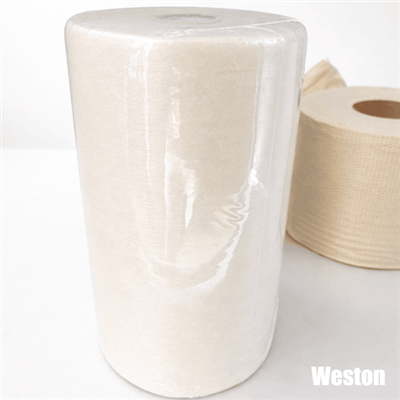
In the global hygiene materials industry, manufacturers such as Weston Nonwoven factory have advanced the engineering of spunlace-based textiles for both industrial and personal care applications.
Their production capabilities allow precise control over:
Fiber ratios
Basis weight (GSM)
Wet/dry performance characteristics
This enables the creation of materials ranging from heavy-duty industrial wipes to soft-touch facial hygiene cloths.
Managing Hair and Clothing in the Field
Scalp Management
Sebum can be redistributed through brushing, moving oils away from the scalp. In low-resource conditions, absorbent powders (e.g., starch-based) may help reduce oil buildup.
Dedicated Sleep System
A separate set of sleeping clothes prevents transfer of sweat, salts, and oils from hiking gear to the skin during rest, improving recovery and reducing irritation.
UV Exposure Strategy
Short-term exposure of clothing to direct sunlight can reduce bacterial load through ultraviolet radiation, providing a passive disinfection effect.
Specialized Solutions: Camp Hygiene Wipes
For advanced field hygiene, products such as camp shower wipes utilize spunlace nonwoven substrates engineered for full-body cleansing efficiency.
These systems, including those developed within Weston Nonwoven factory, are designed to:
Provide large-surface cleaning in a single sheet
Maintain structural integrity during aggressive wiping
Balance softness with mechanical cleaning efficiency
Depending on configuration, they may be:
Dry wipes for user-added cleansing solutions
Pre-moistened wipes for immediate application
Environmental Responsibility
Effective outdoor hygiene must align with Leave No Trace principles.
Key practices include:
Conducting hygiene activities at least 200 feet from water sources
Avoiding direct contamination of soil and waterways
Packing out all used wipes and disposable materials
Even biodegradable materials require controlled disposal, as breakdown rates vary significantly across ecosystems and conditions.
Backcountry hygiene is fundamentally a systems problem combining human physiology, environmental constraints, and material science. By focusing on critical zones and leveraging engineered nonwoven fabrics, campers can maintain effective hygiene without conventional washing infrastructure.
Through the integration of advanced spunlace technology and disciplined hygiene protocols, cleanliness in remote environments becomes both practical and sustainable.