What is the Strongest Phone Screen Material?
When people ask about the "strongest" phone screen, they usually mean one thing: which material won't break or scratch. The honest answer is less simple. Strength in phone screens is not a single property-it's a balance between hardness, flexibility, and how the surface is used every day.
This matters not only for consumers, but also for buyers sourcing cleaning materials for electronics, retail, or industrial environments. Because even the strongest screen can be damaged by the wrong wiping method.

Understanding Strength: Hardness vs. Toughness
There are two key ideas behind screen durability:
Hardness → resistance to scratches
Toughness → resistance to cracks or shattering
A material can be very hard but still crack easily. This is why some premium screens resist scratches well but fail under impact.
In real usage, screens are exposed to:
Dust (often containing quartz, which is harder than glass)
Metal particles
Repeated friction from cleaning
So the "strongest" material is not just about composition-it's about how it performs under repeated, imperfect conditions.
The Main Materials Used Today
1. Chemically Strengthened Glass
This is the most widely used material in smartphones.
Made stronger through ion-exchange processes
Surface compression improves durability
Balanced performance between cost and strength
However, it is still vulnerable to:
Sharp particles
Long-term micro-abrasion
2. Sapphire Glass
Often described as one of the hardest materials used in screens.
Extremely high scratch resistance
Performs well against metal contact
But in practice:
More brittle than standard glass
Higher cost limits widespread use
This makes it less ideal for devices that face frequent drops.
3. Ceramic-Enhanced Glass
A newer approach combining glass with ceramic crystals.
Improved drop resistance
Better energy dispersion on impact
Still, performance varies depending on formulation and manufacturing quality.
What Actually Causes Screen Damage?
Contrary to common belief, fingers do not scratch screens.
The real causes are:
Dust particles (especially silica-based)
Dirty wiping materials
Dry friction during cleaning
This is where many environments-like workshops, warehouses, or even kitchens-create higher risk.
A strong screen can still develop fine scratches simply because of poor cleaning habits.
Cleaning: The Overlooked Factor in Screen Durability
Most screen damage happens slowly, not instantly.
Common mistakes
Using paper towels or rough cloths
Reusing dirty wipes
Dry wiping without lifting particles
These actions drag hard particles across the surface.

A more controlled cleaning approach
A better method focuses on:
Soft, uniform contact
Low lint generation
Efficient particle capture
This is why engineered wiping materials matter.
For example, Microfiber Wipes are designed to trap particles within the fiber structure instead of pushing them across the surface. In electronics cleaning, this reduces the risk of micro-scratches over time.
For procurement teams, working with a reliable Microfiber Wipes Supplier ensures consistent fiber quality, which directly affects cleaning safety and repeatability.
Material Matters-But So Does the Wipe
Even the best screen material can degrade if the cleaning material is inconsistent.
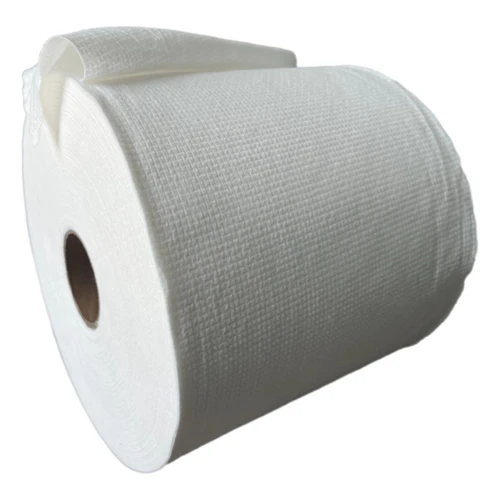
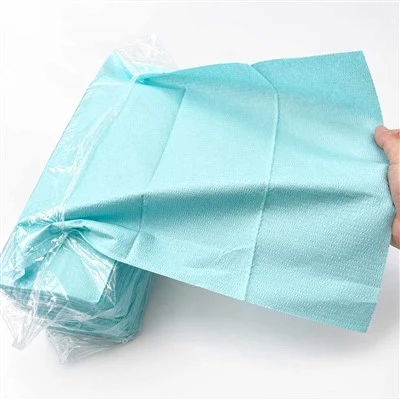
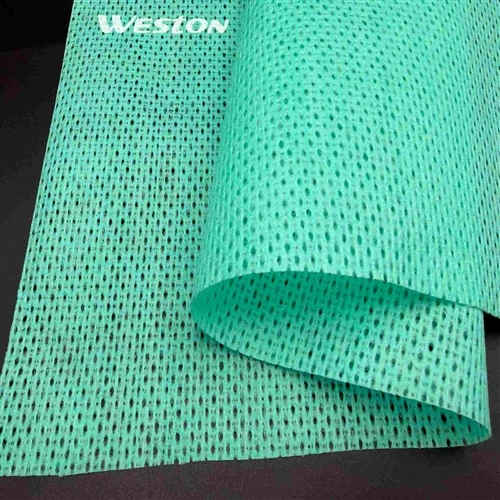
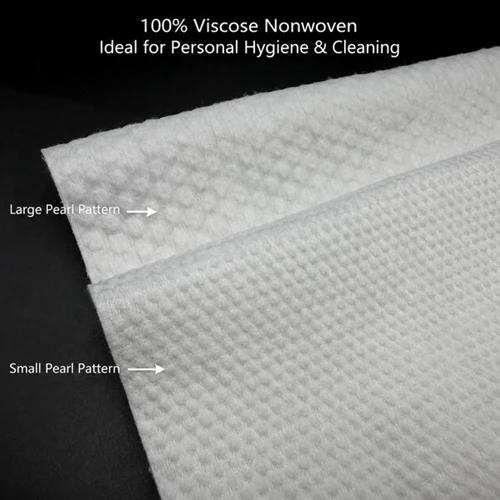
Hydroentangled (spunlace) nonwoven fabrics offer a practical balance:
Soft but mechanically strong
No chemical binders that may leave residue
Stable structure for controlled wiping
In environments where screens are cleaned frequently-such as manufacturing lines or retail display maintenance-this consistency becomes more important than theoretical material strength.
Beyond Screens: The Same Logic Applies to Daily Cleaning
The relationship between surface strength and wiping method is not limited to phones.
In kitchen and industrial settings, surfaces face similar risks:
Repeated wiping
Grease and particle buildup
Abrasive contaminants
This is why buyers often look for a range of wiping solutions, such as:
different materials (microfiber, wood pulp blends, PP composites)
different grammages (lightweight for quick cleaning, heavier for high absorbency)
kitchen wipes with controlled softness and strength
A well-structured supply-from a factory that understands fiber engineering-helps match the right wipe to the right task.
A Practical Way to Think About "Strongest"
Instead of asking which material is strongest, a more useful question is:
Which combination of material and maintenance delivers the longest usable life?
Because in reality:
No screen is completely scratch-proof
No material can resist all impact
Poor cleaning will shorten lifespan regardless of material
What Buyers and Users Should Focus On
For better long-term performance:
Choose devices with balanced material properties
Avoid dry, uncontrolled wiping
Use engineered cleaning materials like Microfiber Wipes
Source from a stable Microfiber Wipes Supplier to ensure consistency
Match wiping materials to application (electronics vs. kitchen vs. industrial)
Durability is not just built into the screen-it is maintained through every interaction with its surface.
A strong material helps. A controlled system makes it last.