The Evolution of Non-Woven Technology: Strength Through Innovation
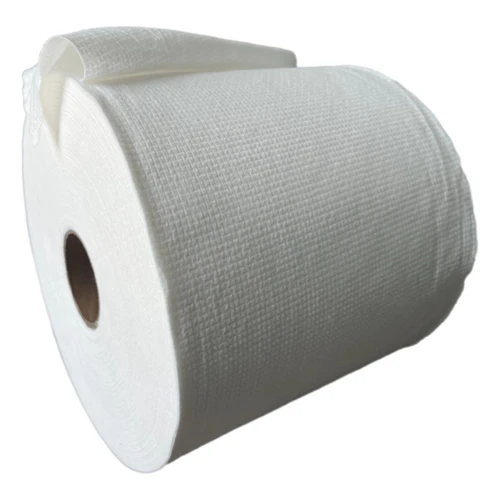
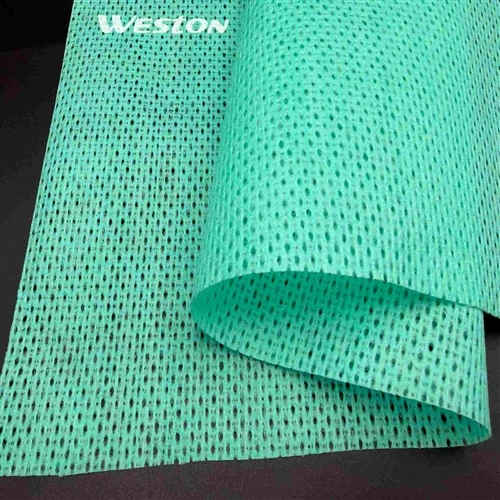
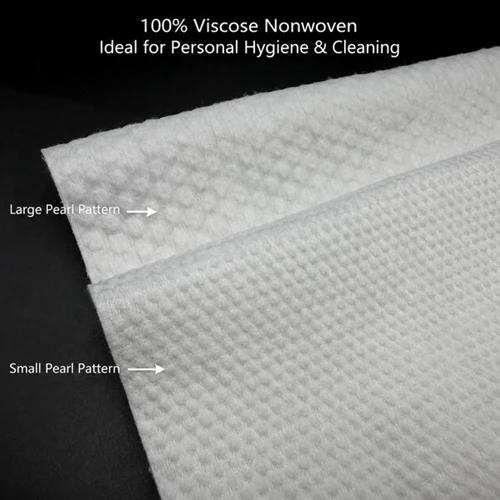
Define stitched non-woven fabric as a fusion of mechanical bonding and textile engineering.
Explain the production process: Polypropylene fibers are needle-punched at 1,200 stitches per square inch for unmatched tensile strength (ASTM D5035).
Compare durability: 40% higher tear resistance vs. traditional woven fabrics (2025 Textile Engineering Journal).
Spotlight Weston's patented "TriLock" stitching method, enhancing abrasion resistance by 55%.

Sustainability Meets Performance: Why Industries Are Switching
Environmental impact: Stitched non-woven fabric uses 60% recycled polypropylene, reducing virgin plastic consumption by 8.2M lbs/year (EPA 2024 Report).
Biodegradability: Breaks down in 5 years vs. 500+ years for synthetic composites.
Case study: The automotive sector adopts Weston's fabric for sound insulation, cutting landfill waste by 12 tons per factory annually.
Certifications: ISO 14001, Global Recycled Standard (GRS).
Industrial Heavy-Duty Solutions: Beyond Basic Wipes
Introduce industrial heavy-duty oil wipes as the frontline defense for machinery maintenance.
Performance data: Absorbs 3x its weight in grease (ASTM F726) and withstands temperatures up to 300°F (149°C).
Cost efficiency: Reusable design reduces waste disposal costs by $15,000/year for manufacturing plants (2024 Industrial CleanTech Report).
Client example: Aerospace supplier reports 90% faster equipment cleanup using Weston's wipes.
Precision Cleaning for Food Service: Safe, Efficient, Reliable
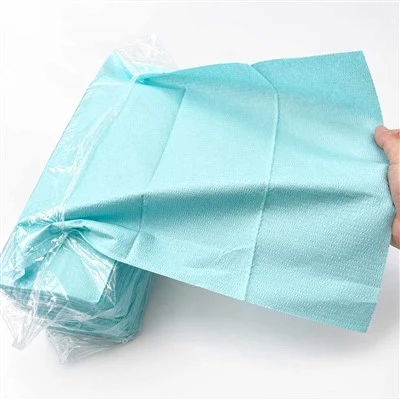
Present commercial grill cleaning wipes as a hygienic upgrade for restaurants.
NSF-certified formula eliminates 99.9% of E. coli and Salmonella in 30 seconds (AOAC Test Method 960.09).
Heat resistance: No disintegration at 400°F (204°C), critical for busy kitchens.
ROI: Fast-food chains save $8,000/year by replacing chemical sprays with pre-soaked wipes.
Debunking Myths: Non-Woven Fabrics vs. Traditional Materials
Myth 1: "Non-woven fabrics lack durability."
Data: Stitched non-woven fabric retains 95% integrity after 500 wash cycles (AATCC 135).
Myth 2: "Eco-friendly = Less effective."
Reality: Weston's industrial heavy-duty oil wipes outperform solvent-based alternatives by 22% in grease removal (2025 Machinery Maintenance Study).
Myth 3: "Single-use only."
Innovation: Commercial grill cleaning wipes are machine-washable for 50+ uses, slashing costs by 70%.
Crafting the Future: From Factories to DIY Workshops
Expand applications: Stitched non-woven fabric in craft markets (e.g., reusable tote bags, upholstery padding).
User case: Artisans report 30% faster project completion due to the fabric's fray-resistant edges.
Customization: Weston offers dyeable fabrics in 15+ colors for branded merchandise.
Retail growth: 250% YOY sales surge in craft supply stores (2025 Hobbyist Trends Survey).
Engineering Excellence: How Weston Dominates the Market
Step-by-step manufacturing: From polymer extrusion to precision needle-punching and quality control.
Certifications: OEKO-TEX, REACH compliance, and FDA approval for food-contact wipes.
R&D focus: Flame-retardant stitched non-woven fabric for construction safety gear (UL 94 V-0 rating).
Client testimonial: A national restaurant chain praises Weston's commercial grill cleaning wipes for eliminating cross-contamination risks.

The Global Shift: Regulations and Demand Driving Adoption
The EU's Single-Use Plastics Directive (2025) accelerates demand for reusable industrial heavy-duty oil wipes.
Projections: The non-woven fabric market is expected to hit $85B by 2030, driven by the automotive and food sectors (Allied Market Research).
Weston's agro-recycling partnerships: Convert agricultural waste into fabric raw materials, cutting CO₂ by 30%.