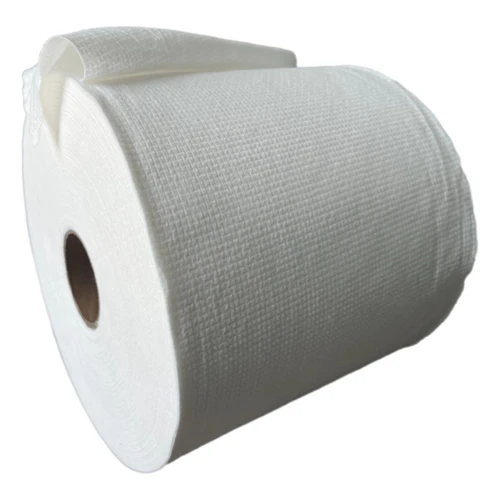
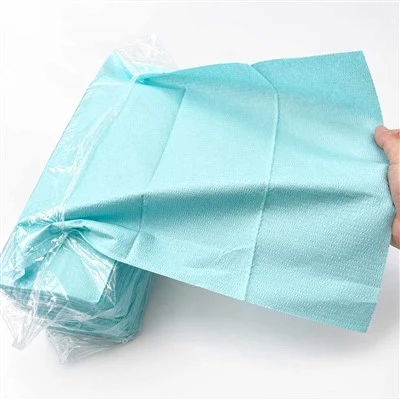
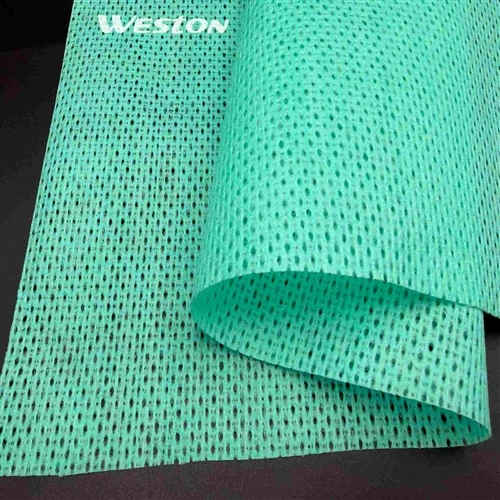
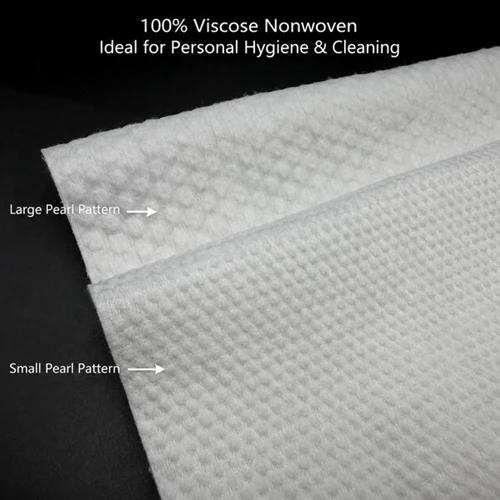
When it comes to nonwoven fabrics, the choices can be overwhelming. Among the various types available, spunlace nonwoven fabric stands out for its unique properties and versatility. But how does it compare to other nonwoven options like spunbond and airlaid fabrics? This article will explore the differences between spunlace and other nonwoven fabrics, helping you determine which is best suited for your specific needs.
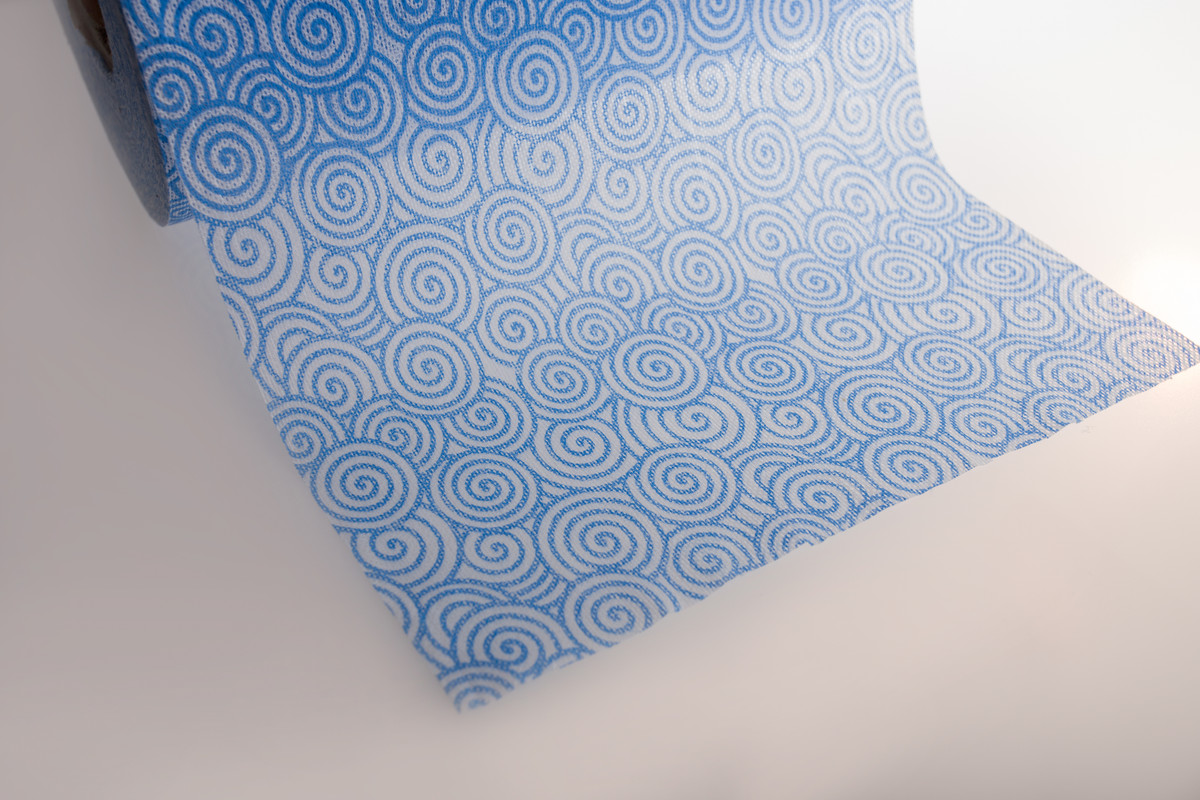
Nonwoven fabrics are engineered materials made from fibers that are bonded together through various processes rather than woven or knitted. They are widely used in numerous applications, including hygiene products, medical supplies, and cleaning wipes. The main types of nonwoven fabrics include:
Spunlace: Created by entangling fibers using high-pressure water jets.
Spunbond: Made by extruding molten polymer through nozzles onto a conveyor belt, forming a strong, durable fabric.
Airlaid: Produced by dispersing fibers in air and then bonding them together, resulting in a fluffy texture.
1. Absorbency
Spunlace Fabric: Known for its excellent absorbency, spunlace fabric can hold significant amounts of liquid, making it ideal for cleaning and personal care products. Its structure allows for quick absorption and release of moisture, which is crucial for applications like wet wipes.Spunbond Fabric: While spunbond is durable and strong, it generally has lower absorbency compared to spunlace. This makes it less suitable for applications requiring high moisture management.Airlaid Fabric: Airlaid fabrics offer good absorbency but may not match the rapid absorption capabilities of spunlace. They are often used in applications like feminine hygiene products where absorbency is important but not as critical as in cleaning wipes.
2. Softness and Comfort
Spunlace Fabric: The hydroentanglement process gives spunlace its soft texture, making it gentle on the skin. This quality is particularly beneficial for personal care items such as baby wipes and facial cleansing cloths.Spunbond Fabric: Although spunbond fabrics are strong and durable, they tend to be less soft than spunlace. This can make them less comfortable for direct skin contact.Airlaid Fabric: Airlaid fabrics can be soft but often lack the smoothness and comfort provided by spunlace. They are generally used in applications where softness is necessary but not the primary requirement.
3. Strength and Durability
Spunlace Fabric: Spunlace offers a good balance of softness and strength. While it is durable enough for most applications, it may not be as robust as spunbond fabric in heavy-duty tasks.Spunbond Fabric: Known for its exceptional strength and durability, spunbond fabric is ideal for applications that require tough materials, such as medical gowns or industrial products.Airlaid Fabric: Airlaid materials are generally less durable than both spunlace and spunbond options. While they provide good absorbency, they may tear more easily under stress.
4. Environmental Considerations
Spunlace Fabric: Many manufacturers now produce biodegradable spunlace options made from sustainable materials like bamboo or organic cotton. This makes them an eco-friendly choice for environmentally conscious consumers.Spunbond Fabric: Typically made from polypropylene, spunbond fabrics are not biodegradable but can be recycled in some cases. Their environmental impact depends on the specific manufacturing process used.Airlaid Fabric: Airlaid fabrics can also be made from biodegradable materials, but their environmental footprint varies based on the raw materials used.
5. Cost-Effectiveness
When considering cost, it's essential to evaluate not just the initial price but also the long-term value:
Spunlace Fabric: Generally more expensive than traditional woven fabrics due to its manufacturing process but offers excellent performance that justifies the cost.
Spunbond Fabric: Often less expensive than spunlace, making it a cost-effective option for applications where strength is prioritized over softness.
Airlaid Fabric: Pricing varies widely depending on materials used; however, they can be more affordable than both spunlace and spunbond in certain contexts.
For applications requiring high strength and durability, such as medical gowns or industrial uses, spunbond fabric may be more suitable. Meanwhile, airlaid fabric serves well in absorbent applications where fluffiness is desired but may not match the performance of spunlace or spunbond options.Ultimately, understanding the unique characteristics of each type of nonwoven fabric will help you make an informed decision that meets your needs effectively. Explore our range of spunlace fabric products today to discover how they can enhance your cleaning or personal care solutions!