The Science Behind Absorbent Pads: Unraveling Molecular Magic
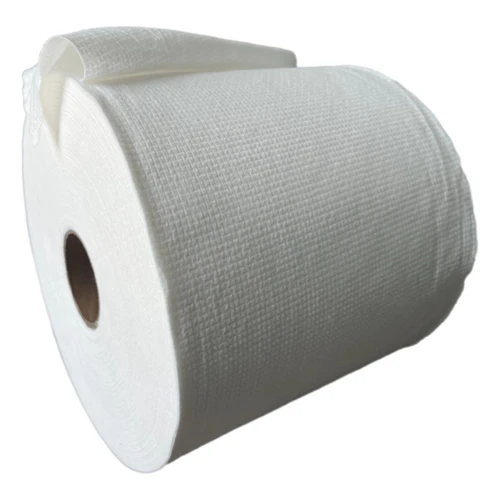
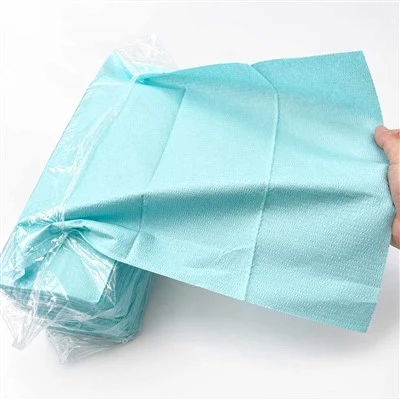
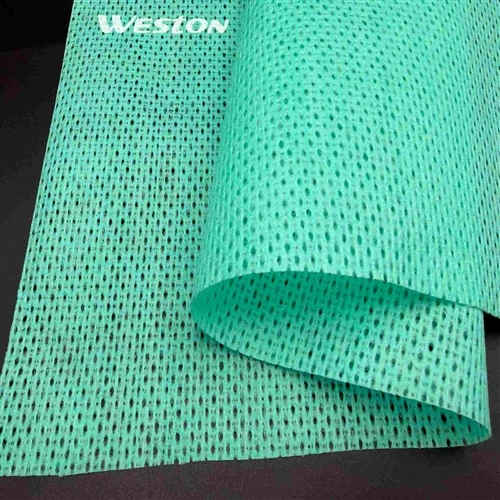
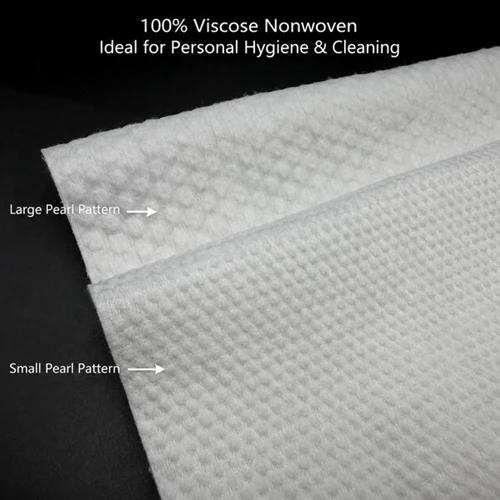
At the heart of every effective absorbent pad lies a meticulously engineered structure designed to conquer liquid challenges. Multi-Purpose Water & Oil Absorbent Pads from WestonNonwoven leverage advanced non-woven technology, where microfibers form a complex network of capillaries. This design isn't just about surface absorption; it's a molecular-level phenomenon where hydrophobic and hydrophilic zones work in tandem to trap oils and water respectively. The magic lies in the pad's ability to achieve rapid absorption while maintaining structural integrity, a feat achieved through Weston's proprietary fiber bonding techniques.
Decoding Pad Types: Matching Solutions to Challenges
Mastering Multi-Purpose Water & Oil Absorbent Pads
These versatile powerhouses are your go-to for everyday spills and industrial applications. Whether tackling kitchen oil splatters or workshop coolant leaks, their dual-action absorption mechanism ensures both water-based and oily liquids are efficiently contained. Key usage strategies include:
Pre-positioning pads in high-risk areas like under machinery or near fuel tanks.
Laying them flat to maximize surface contact for optimal absorption.
Understanding the pad's saturation point to prevent overflow (Weston's pads boast 15x their weight in absorption capacity).
Harnessing Anti-Slip Oil Absorbent Pads for Safety-Critical Scenarios
In environments where slip hazards pose significant risks-think garages, factories, or marine decks-Anti-Slip Oil Absorbent Pads are game-changers. Their non-slip backing isn't just a surface feature; it's a strategic design that combines grip with absorption. Here's how to utilize them effectively:
Cleaning the surface before placement to ensure maximum adhesion.
Using them in conjunction with proper footwear for added safety.
Targeting areas prone to oil drips, such as beneath vehicle engines or hydraulic systems.
Marine Oil Absorbent Pads: Guardians of Aquatic Ecosystems
When it comes to marine spill response, Marine Oil Absorbent Pads play a crucial role in environmental stewardship. These pads are engineered with buoyancy in mind, allowing them to float on water while absorbing oil without soaking up water. Key deployment techniques include:
Creating containment booms by linking pads together.
Acting swiftly to prevent oil from spreading and harming marine life.
Coordinating with professional cleanup teams for large-scale incidents.
Step-by-Step Usage Guide: From Spill to Solution
Immediate Spill Response Protocol
Assess the spill type: Differentiate between water-based and oily liquids to select the appropriate pad.
Safety first: Equip yourself with gloves and protective gear for hazardous spills.
Strategic placement: Lay pads over the spill, starting from the perimeter and moving inward to contain spread.
Industrial & Commercial Applications
For manufacturing facilities or logistics hubs:
Implement a proactive pad placement system in areas like loading docks and machinery stations.
Train staff on recognizing when pads need replacement to maintain optimal effectiveness.
Integrate Weston's pads into your spill response plan, leveraging their rapid absorption rates to minimize downtime.
Marine & Environmental Applications
Pre-deploy pads in marinas and ports as a preventive measure.
During a spill, use boats to strategically position pads around the affected area.
Work with environmental agencies to ensure proper disposal of saturated pads to prevent secondary contamination.

Maintenance & Disposal: Prolonging Pad Efficiency
Maximizing Reusability
Many of WestonNonwoven's pads are designed for multiple uses:
Gently rinse water-absorbent pads with clean water and air dry.
Oil-specific pads can often be squeezed out (avoid wringing) and reused for non-hazardous spills.
Store dry pads in a cool, dry place to prevent moisture absorption before use.
Responsible Disposal
Hazardous waste: Dispose of pads saturated with chemicals or toxic oils according to local environmental regulations.
General waste: Non-hazardous pads can be disposed of with regular trash, though Weston encourages recycling where possible.
Marine pads: After use in water cleanup, ensure they are collected promptly to prevent littering.
The Environmental Edge: WestonNonwoven's Commitment
Beyond functionality, Weston's absorbent pads embody a deeper commitment to sustainability:
Biodegradable options: Some pads are made from plant-based fibers that break down naturally.
Reduced plastic waste: By replacing single-use plastic absorbents, these pads contribute to a circular economy.
Energy-efficient manufacturing: Weston's production processes minimize carbon footprints, aligning with global environmental goals.
Industry Impact: From Workplace Safety to Ocean Conservation
Enhancing Workplace Safety
Reducing slip-and-fall accidents in industrial settings.
Minimizing fire hazards by quickly absorbing flammable liquids.
Improving compliance with occupational health and safety regulations.
Advancing Environmental Protection
Providing effective tools for oil spill response in marine environments.
Supporting research and development for more eco-friendly absorbent materials.
Collaborating with governments and NGOs on large-scale cleanup initiatives.

Elevating Your Spill Management Strategy
Incorporating WestonNonwoven's absorbent pads into your routine isn't just about solving spills-it's about embracing a proactive approach to safety and sustainability. Whether you're maintaining a clean workshop, safeguarding a marina, or managing household accidents, the right pad used correctly can make all the difference. Trust in Weston's innovative technology to deliver reliable, high-performance solutions that go beyond surface-level cleanup-because true effectiveness starts at the molecular level.