What Are Those Thin Kitchen Towels Called?
If you have ever stood in a kitchen supply aisle and wondered, what are those thin kitchen towels called? - you are not alone.
They look simple. Light. Almost too thin to be useful.
Yet they appear everywhere: home kitchens, cafés, catering stations, food prep counters, even open kitchens in restaurants. They are folded neatly, stacked in boxes, or rolled like paper towels. Some are disposable. Some can be reused a few times.
The truth is, there is no single universal name. But there is clear science behind them.

What People Usually Call Them
Depending on the context, these thin towels may be called:
Disposable kitchen wipes
Kitchen wiping cloths
Food service wipes
Nonwoven kitchen towels
Dish wiping cloths
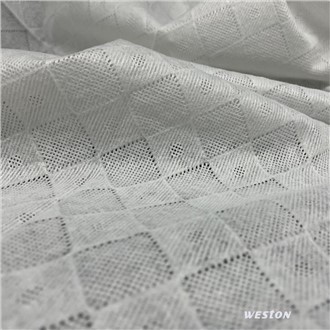
In manufacturing language, many of them belong to the category of spunlace nonwoven cleaning cloths.
The name changes. The function stays the same: efficient surface cleaning with controlled absorbency and strength.
Why Are They So Thin?
Thin does not mean weak.
Thickness in cleaning textiles is a design choice. In kitchen environments, materials are engineered for:
Fast liquid absorption
Quick drying
Reduced bacterial retention
Easy storage
Controlled cost per use
A bulky towel may feel luxurious, but it traps moisture longer. In food preparation areas, retained moisture can become a hygiene concern.
Thin structures dry faster. They are easier to replace frequently. That replacement cycle is part of modern hygiene control.
What Are They Made Of?
Most thin kitchen towels are built from nonwoven materials rather than traditional woven fabric.
Spunlace Technology
Spunlace (hydroentanglement) uses high-pressure water jets to bond fibers together. No thermal bonding. No heavy adhesives.
This creates:
Balanced strength in both directions
Soft surface texture
Low lint release
Stable wet performance
Fiber blends may include:
Viscose
Polyester
Cellulose
Lyocell
Each fiber contributes something different: absorbency, strength, softness, or environmental performance.
Paper Towels vs. Thin Nonwoven Towels
They may look similar at a distance. They are not the same in performance.
|
Feature |
Paper Towels |
Thin Nonwoven Kitchen Towels |
|
Wet Strength |
Moderate |
Higher |
|
Reusability |
Single-use |
Limited multi-use possible |
|
Lint Release |
Can shed |
Controlled structure |
|
Texture |
Flat or embossed |
3D texture options |
|
Cost per Use |
Lower upfront |
Often more efficient in practice |
|
Fiber Structure |
Pulp-based sheet |
Entangled fiber web |
Paper tears when oversaturated. Nonwoven cloth maintains structure longer under pressure.
That difference matters during real cleaning tasks.

Advantages of Thin Kitchen Towels
Let's look at the strengths clearly.
1. Hygienic Control
Frequent replacement reduces cross-contamination risk.
2. Fast Absorption
Fiber networks pull liquid quickly across the surface.
3. Controlled Linting
Important in food service areas.
4. Flexible and Easy to Store
Boxes or interfold systems reduce handling.
5. Custom Surface Patterns
3D embossing improves friction for wiping grease.
Limitations to Consider
No product is perfect. Thin towels also have trade-offs.
1. Limited Durability
They are not designed for heavy scrubbing like industrial rags.
2. Disposal Volume
Frequent replacement means higher material consumption.
3. Perceived Fragility
Consumers sometimes mistake thinness for poor quality.
4. Cost Sensitivity
Higher-grade fibers increase manufacturing cost.
Understanding both sides leads to better product selection.
Where They Are Most Useful
Thin kitchen towels perform best in:
Countertop wiping
Spill absorption
Hand drying during food prep
Light grease cleaning
Quick sanitation cycles
In professional kitchens, workflow speed matters. A wipe that absorbs quickly and can be replaced without hesitation keeps the line moving.
A Shift Toward Better Fibers
The market is gradually moving toward higher-performance and more sustainable fibers.
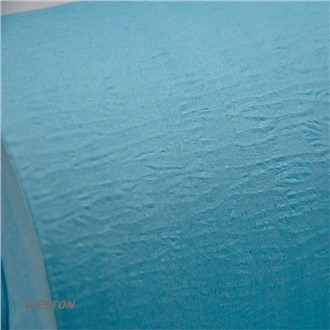
For example, 100% Lyocell 3D Printed Spunlace For Food Service Application combines plant-based fiber with 3D surface structure. Lyocell offers strong wet integrity and smoother fiber surfaces, while 3D embossing increases surface contact during wiping.
These material innovations are not marketing decoration. They directly affect cleaning efficiency and liquid control.
The Role of Structured Surface Design
Embossing is not just visual.
A 3D pattern increases:
Surface friction
Liquid channeling
Oil capture
Mechanical cleaning ability
In real kitchens, grease and water behave differently. A flat sheet spreads liquid. A structured sheet manages it.
Industrial Production Matters
The consistency of these towels depends heavily on the manufacturing process.
A stable hydroentanglement line ensures:
Even fiber distribution
Balanced cross-lapping strength
Uniform embossing depth
Reliable roll or interfold conversion
Factories specializing in spunlace technology, such as Weston Nonwoven, focus on fiber blending precision and wet tensile stability for products like Daily Kitchen Wipes.
The product name may appear simple. The engineering behind it is not.
Environmental Questions
Are thin kitchen towels sustainable?
The answer depends on:
Fiber source
Energy consumption during production
Disposal method
Frequency of use
Lyocell and viscose from responsibly managed forests improve environmental balance. Polyester increases durability but reduces biodegradability.
There is no universal perfect answer. Only design choices based on use case.
Choosing the Right One
When evaluating thin kitchen towels, look for:
Even texture
Strong wet tensile performance
Minimal lint release
Consistent thickness
Clean cut edges
Ask suppliers about fiber composition and production method, not just weight in grams per square meter.
Material structure matters more than visual thickness.
Why the Name Is Less Important Than the Function
So, what are those thin kitchen towels called?
They may be called wipes. Cloths. Disposable towels. Nonwoven kitchen sheets.
The terminology changes across regions and industries.
What defines them is simple:
They are engineered, lightweight wiping materials designed for controlled hygiene, fast absorption, and practical kitchen workflow.
If you are exploring higher-performance options for food preparation environments, structured spunlace materials such as Daily Kitchen Wipes or 100% Lyocell 3D Printed Spunlace For Food Service Application represent how this category continues to evolve.
For technical details or a free sample, you can contact:
info@westonmanufacturing.com
Thin does not mean basic.
In modern kitchens, thin often means efficient, intentional, and engineered for the task.