Wood Pulp Spunlace vs. Polyester Nonwovens: Why the Triple Roll Process Wins in Absorbency
A Spill, Two Wipes, and One Honest Question
Picture a kitchen counter after dinner - a little oil, some sauce, a ring of water left by a glass. You grab a wipe from one pack and it pulls the mess up in a single swipe. You grab a wipe from a different pack, one that looks almost identical, and it just pushes the liquid around instead of soaking it in.
Both wipes are labeled "nonwoven fabric." Both feel soft in your hand. Both come on similar-looking rolls. So why does one absorb and the other doesn't?
The answer isn't a mystery, and it isn't marketing language. It comes down to two plain things: what the fiber is made of, and how that fiber is put together into fabric. This post walks through both, one piece at a time.
What Wood Pulp and Polyester Are Actually Made Of
Wood pulp fiber comes from cellulose - the same plant material found in cotton and paper. It's a natural fiber, and cellulose has a chemical structure that water molecules can cling to easily.
Polyester is built differently. It's a synthetic fiber made from petroleum-based polymers. On its own, polyester doesn't share that same chemical pull toward water. To make polyester fiber absorbent enough for wipes, manufacturers usually add a surfactant coating during processing.
Neither fiber is better in every sense. They're simply built for different jobs, and that difference becomes obvious the moment water touches them.
Hydrophilic vs. Hydrophobic: The Rule Behind Absorbency
In plain terms, wood pulp is hydrophilic - it attracts and holds onto water. Untreated polyester is hydrophobic - it resists water.
Look closer and pulp fibers have a slightly irregular, porous surface. Water finds tiny paths into and along each fiber, the same way it climbs up a paper towel. Polyester fiber has a smoother, more uniform surface. Without treatment, water tends to bead up and roll off rather than soak in.
This is why a 100% polyester fabric, fresh off the line, can feel dry even when it's intended to be absorbent - it usually needs that surfactant step first to behave the way people expect.
Strengths and Trade-offs, Side by Side
Neither fiber wins across every measure. A fair comparison looks something like this:
|
|
Wood Pulp |
Polyester |
|
Absorbency (untreated) |
High, comes naturally |
Low, needs surfactant treatment |
|
Wet strength on its own |
Lower, can break down under heavy rubbing |
Higher, holds together well when wet |
|
Feel |
Soft, slightly looser texture |
Smoother, sometimes firmer |
|
Biodegradability |
Breaks down naturally over time |
Does not break down easily |
|
Cost at scale |
Can shift with pulp market prices |
Generally stable and cost-efficient |
|
Resistance to tearing |
Lower when used alone |
Higher, holds up to repeated use |
This is a large part of why many spunlace fabrics aren't 100% of either fiber. They're blended on purpose, borrowing strength from one fiber and absorbency from the other.
Why the Bonding Process Matters as Much as the Fiber
Here's the part that often gets left out: a fiber only absorbs as well as the fabric structure allows it to.
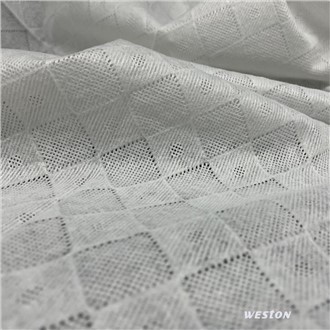
Spunlace, also known as hydroentanglement, builds fabric by firing fine water jets at a loose web of fibers, locking them together mechanically - no glue, no heat involved. The fiber sets the ceiling for how absorbent the fabric can be. But how those water jets are staged decides how much of that ceiling actually gets used.
A web that's compressed flat in a single, fast pass can end up dense and tight, which limits how much liquid can move through it. A web that's built up more gradually leaves more open space, and more tiny pathways for water to travel through.
Three Stages, One Web
This is where multi-stage bonding comes in - sometimes built around three perforated rolls instead of one, with each stage refining the fiber arrangement a little further.
|
Stage |
What happens |
Effect on the fabric |
|
First |
Fibers are loosely tacked together |
Forms a workable base web |
|
Second |
Web passes through again at adjusted water pressure |
Fibers redistribute more evenly across the surface |
|
Third |
A final pass locks the structure in place |
An open network forms, with channels running through the fabric |
Compared to a single-pass fabric, the result tends to be a web with more internal pathways for water to move through, and more even fiber distribution from edge to edge - so absorbency doesn't dip in some spots and spike in others.

When Fiber and Process Work in the Same Direction
Run a naturally absorbent fiber like wood pulp through this kind of multi-stage process, and the two effects add up: a fiber that already wants to take in water, set inside a structure built to let water move through it freely.
Run polyester through the very same process, and the structure still helps - but the fiber itself still needs surfactant treatment to absorb water in the first place. The process can improve how a fabric performs, but it doesn't change what a fiber fundamentally is.
That's also why many of the most absorbent everyday wipes are wood pulp blends run through multi-stage bonding, rather than relying on the fiber or the process alone.
Everyday Products Built on This Idea
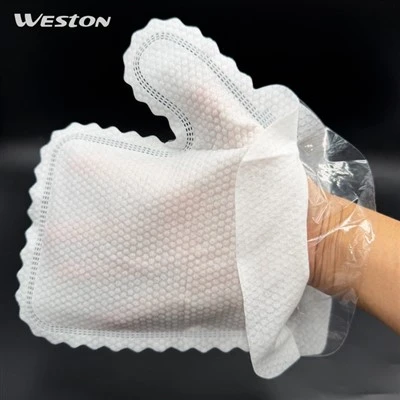
This isn't just a lab concept - it shows up in things people use every day: cosmetic wipes, household cleaning rolls, kitchen towels, medical pads, and disposable cleaning cloths. Fabric mills, including factories like Weston Nonwoven, work with this fiber-and-process combination specifically because the finished product has to perform the same way, roll after roll, batch after batch.
A Few Questions Worth Asking
If you're comparing spunlace fabrics for a product or a supplier, a few simple questions cut through most of the marketing language:
What is the actual pulp-to-synthetic fiber ratio in the blend?
Is the fabric bonded in a single pass, or through multiple stages?
Is there real absorbency test data behind the claim, or just a description?
These three answers usually tell you more than any product tagline will.
What This Comes Down To
A wipe that absorbs well isn't an accident, and it isn't down to one single ingredient either. It's a fiber that's naturally suited to taking in water, combined with a bonding process that gives that fiber the room it needs to work.
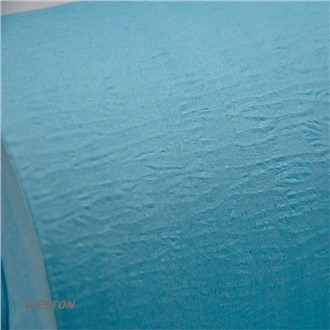
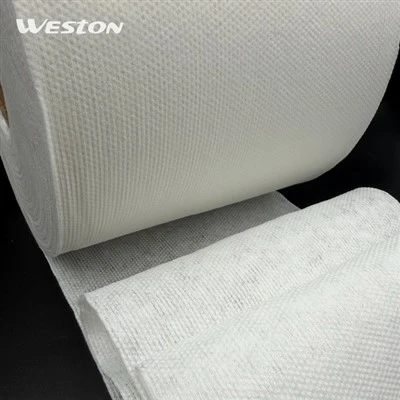
If you're curious what that combination looks like in practice, products such as the Triple Roll Wood Pulp Spunlace Nonwoven Fabric and Interfold Wood Pulp Polyester Spunlace Wipes are built around exactly this idea - pairing the right fiber blend with multi-stage water-jet bonding, so the fabric absorbs the way it's meant to, every time.