The Strategic Role of Industrial Cleaning in Modern Manufacturing
In the intricate web of modern industrial operations, cleanliness is not merely a matter of aesthetics but a cornerstone of operational efficiency, product quality, and workplace safety. From precision engineering facilities to heavy machinery workshops, the presence of contaminants such as oil, grease, metal shavings, and dust can lead to equipment malfunction, product defects, and even workplace accidents. Industrial cleaning cloths, as frontline tools in maintaining operational hygiene, play a pivotal role in mitigating these risks.
The performance of industrial cleaning cloths directly impacts the efficiency of cleaning processes. A subpar cloth may leave residues, require frequent replacement, or fail to remove stubborn contaminants, resulting in increased downtime and labor costs. In sectors where precision is paramount-such as aerospace manufacturing or semiconductor production-even microscopic particles can compromise the integrity of final products, making the choice of cleaning cloth a critical decision with far-reaching consequences.
Moreover, regulatory pressures are increasingly pushing industries to adopt stricter cleaning standards. Environmental protection agencies and occupational safety bodies worldwide are imposing rigorous guidelines on waste management and workplace cleanliness, making it imperative for manufacturers to invest in reliable cleaning solutions. Industrial cleaning cloths, when chosen appropriately, not only meet these regulatory requirements but also contribute to sustainable operations by reducing waste and minimizing the use of harmful cleaning chemicals.
Material Science: The Foundation of High-Performance Cleaning Cloths
The efficacy of industrial cleaning cloths is fundamentally rooted in their material composition. Advances in nonwoven fabric technology have led to the development of specialized materials that cater to diverse industrial cleaning needs, each with unique properties that determine their suitability for specific applications.
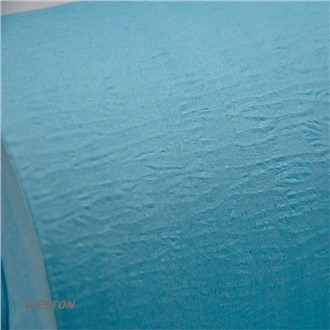
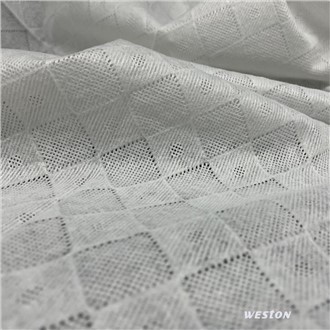
Low-Lint Viscose Polyester Spunlace Nonwoven Fabric stands out for its exceptional cleanliness and durability. The spunlace manufacturing process, which uses high-pressure water jets to entangle fibers, creates a fabric with a tight, uniform structure that minimizes linting. This is particularly crucial in cleanroom environments or when cleaning sensitive equipment, where lint contamination can cause costly damage. The blend of viscose and polyester combines the absorbency of natural fibers with the strength of synthetics, allowing the cloth to handle heavy-duty cleaning tasks while maintaining its integrity.
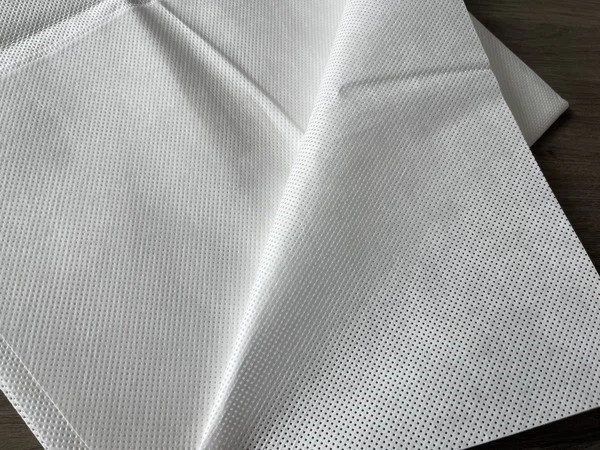
Bulk Meltblown Fabric 40 Gsm is another material engineered for high-performance cleaning. Meltblown fabrics are produced by extruding molten polymer through fine nozzles, creating microfibers that form a porous structure. This structure gives the fabric excellent liquid absorption and particle-trapping capabilities, making it ideal for cleaning surfaces where liquids or fine dust are present. The 40 Gsm weight offers a balance between thickness and flexibility, ensuring the cloth can conform to irregular surfaces without tearing.
Medical Grade PP Meltblown Fabric, while primarily designed for healthcare applications, finds utility in industrial settings where sterility is a concern. This material is highly resistant to bacteria and other pathogens, making it suitable for cleaning equipment in pharmaceutical manufacturing, food processing, and other industries with strict hygiene requirements. Its hydrophobic properties also make it effective for cleaning oil-based contaminants without absorbing moisture, ensuring efficient cleaning in wet environments.
Customization: Adapting to Diverse Industrial Landscapes
The diversity of industrial cleaning tasks demands a one-size-fits-all approach to be obsolete. Wholesale customizable industrial cleaning cloth rolls address this challenge by allowing OEMs and private label brands to tailor cloths to their specific needs, ensuring optimal performance in their unique operational contexts.
Customization options extend beyond mere dimensions. Material composition can be adjusted to target specific contaminants: a blend heavy on viscose may be preferred for water-based spills, while a higher polyester content suits oil-based residues. The density of the fabric, measured in Gsm, can be modified to balance absorbency and durability-higher Gsm cloths offer greater thickness for heavy-duty cleaning, while lower Gsm options provide cost-effective solutions for light dusting.
Surface treatments are another customization avenue. Cloths can be impregnated with mild cleaning agents to enhance their degreasing capabilities or treated with anti-static properties to prevent the accumulation of static charges in electronics manufacturing. Edge finishes, such as ultrasonic sealing, can prevent fraying, ensuring the cloth remains lint-free throughout its use cycle.
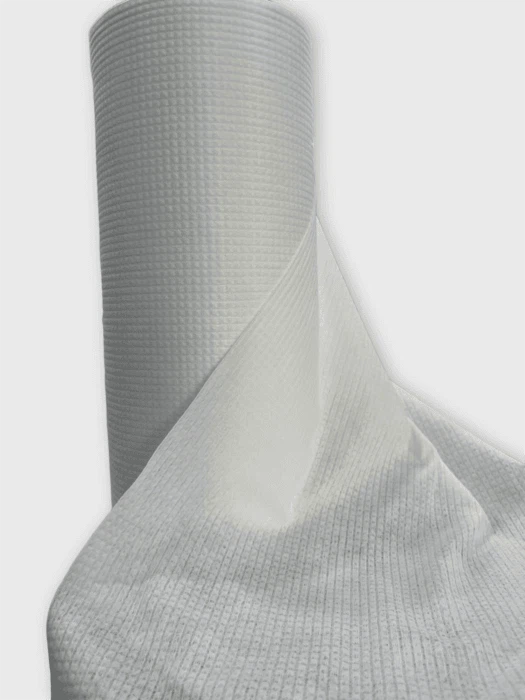
Packaging customization further adds value for OEMs and private label brands. Cloths can be rolled to specific lengths, perforated for easy tearing, or packaged in branding-specific boxes or dispensers. This not only streamlines inventory management for end-users but also serves as a marketing tool, reinforcing brand identity in the workplace.
Balancing Benefits and Challenges of Customization
The advantages of customizable industrial cleaning cloth rolls are multifaceted. For OEMs, the ability to align cleaning cloths with their equipment specifications ensures that cleaning processes are optimized for their machinery, reducing the risk of damage and improving maintenance efficiency. Private label brands, on the other hand, can differentiate themselves in the market by offering tailored solutions that address niche cleaning needs, building customer loyalty through enhanced performance.
End-users benefit from reduced operational costs. Customized cloths that match specific cleaning tasks reduce waste, as there is no need to use oversized or over-engineered cloths for simple tasks. Improved cleaning efficiency also translates to less downtime, as equipment can be cleaned more quickly and effectively, maximizing production time.
However, customization is not without its challenges. Minimum order quantities often accompany custom solutions, which can be a barrier for small to medium-sized enterprises with limited storage capacity or fluctuating cleaning needs. The development cycle for customized cloths is also longer, as it involves material testing, prototype development, and approval processes, which can delay implementation if urgent cleaning requirements arise.
Additionally, the cost of customization must be carefully weighed against the benefits. While tailored cloths can improve efficiency and reduce waste, the initial investment in development and larger order quantities may not be justifiable for all operations. It is essential for buyers to conduct a thorough cost-benefit analysis, considering factors such as frequency of use, impact on product quality, and long-term operational savings.
Sustainability in Custom Industrial Cleaning
As industries increasingly prioritize sustainability, customizable industrial cleaning cloths are evolving to meet eco-friendly requirements. Material selection plays a key role here-options such as biodegradable viscose blends or recycled polyester components allow brands to offer cleaning solutions that align with circular economy principles.
Customization can also support sustainable practices by enabling precise material usage. By tailoring cloth size and thickness to specific tasks, less material is wasted, reducing the overall environmental footprint. Reusable options, such as thicker, more durable spunlace cloths designed for multiple uses, can further minimize waste, though their suitability depends on the nature of the contaminants being cleaned.
Packaging customization contributes to sustainability as well. Brands can opt for minimal, recyclable, or biodegradable packaging materials, reducing the environmental impact of the entire product lifecycle. Dispenser designs that prevent contamination and ensure efficient cloth retrieval can also extend the usable life of each roll, further reducing waste.
Navigating the Customization Process
For OEMs and private label brands considering wholesale customizable industrial cleaning cloth rolls, a structured approach to the customization process is essential. The first step is to conduct a detailed assessment of cleaning requirements, including the types of contaminants, surfaces to be cleaned, frequency of cleaning, and regulatory standards that must be met. This assessment forms the basis for determining material composition, size, and other key specifications.
Collaboration with manufacturers is crucial at this stage. Experienced manufacturers can provide insights into material properties, performance trade-offs, and cost-effective customization options. They can also conduct testing to validate the performance of prototype cloths against specific cleaning tasks, ensuring that the final product meets expectations.
Clear communication of branding and packaging requirements is another important aspect. Private label brands should provide detailed specifications for logos, color schemes, and packaging design to ensure that the final product aligns with their brand identity. OEMs, meanwhile, need to coordinate with manufacturers to ensure that the cloths integrate seamlessly with their equipment or are compatible with their cleaning protocols.
Finally, establishing a long-term partnership with a reliable manufacturer can streamline future customization needs. A manufacturer that understands the evolving requirements of a brand can proactively suggest improvements, adapt to changing regulatory landscapes, and ensure consistent quality across multiple orders.
Weston offers a range of customizable industrial cleaning solutions, including options leveraging Low-Lint Viscose Polyester Spunlace Nonwoven Fabric, Bulk Meltblown Fabric 40 Gsm, and Medical Grade PP Meltblown Fabric. For those interested in exploring how custom cleaning cloth rolls can enhance their operations, free samples are available upon request. To learn more, contact info@westonmanufacturing.com.