At the crossroads of modern wound care, the choice between woven and nonwoven gauze can make a decisive difference in clinical outcomes and patient comfort. With health professionals demanding materials that combine high absorbency, gentle handling, and consistent performance, understanding the nuances of each gauze type is critical. The following discussion examines the fundamental distinctions, practical applications, strengths, and limitations of woven versus nonwoven gauze-illuminating which option emerges superior under varying circumstances.

Construction and Material Composition
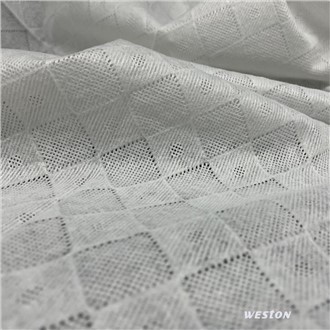
Woven gauze traces its origins back centuries, featuring interlaced threads of cotton that create a grid-like fabric. This open structure grants exceptional breathability and pliability, conforming easily to complex body contours. Conversely, nonwoven gauze relies on fibers bonded through mechanical, chemical, or thermal processes. By eliminating the weaving step, manufacturers achieve a uniform web of fibers that can be engineered for precise characteristics such as strength, absorbency, and particle filtration.
Natural versus synthetic blends also play a role. Traditional woven products often use pure cotton for its softness and fluid handling. Nonwoven offerings may incorporate cotton, rayon, polyester, or blends thereof. This versatility enables customization: a higher rayon ratio can boost absorbency, while polyester enhances tensile strength. Regardless of fiber choice, nonwoven production yields a consistent sheet free of loose threads-a factor with significant clinical implications.
Performance in Clinical Use
When gauze meets exudate, performance becomes paramount. Woven materials excel at rapid absorption due to capillary action within the weave. Their multi-layered pads trap fluids effectively, making them ideal for heavily exuding wounds. However, the intricate weave can also retain debris and shed lint, posing a risk of foreign body reaction or infection.
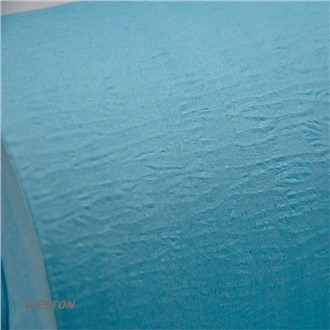
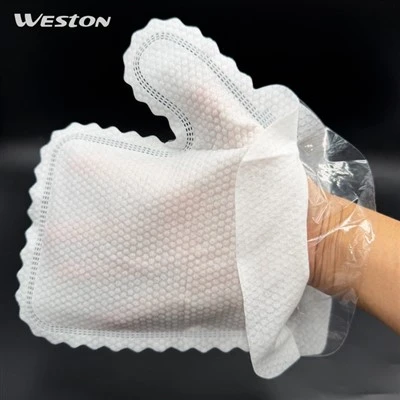
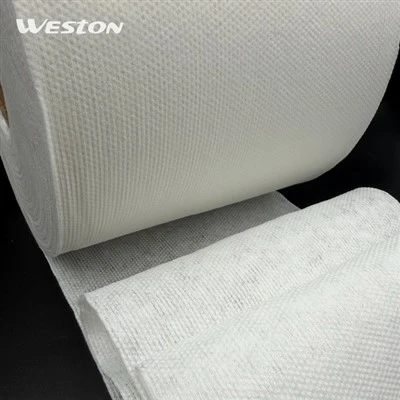
Nonwoven gauze, by contrast, delivers a lint-free experience. The bonded fiber network prevents fragmentation, minimizing the chance of residual fibers in the wound bed. Advanced nonwoven products leverage spunlace technology-hydroentangling high-pressure water jets to interlock fibers-resulting in a Spunlace Sterile Gauze Roll with both sterility and durability. These properties make nonwoven dressings a top choice for surgical settings where contamination control is vital.
Advantages of Woven Gauze
Breathability and Softness
The open weave of cotton gauze permits efficient air exchange, creating an optimal healing environment. Patients often report greater comfort, as the material molds gently around delicate areas.
Rapid Fluid Uptake
Woven layers channel exudate quickly away from the wound, reducing maceration risk. This feature is especially beneficial for wounds with moderate to heavy discharge.
Cost-Effective Availability
Manufacturing simplicity ensures that woven gauze remains widely accessible. For facilities managing budget constraints, traditional cotton rolls continue to provide reliable performance.
Advantages of Nonwoven Gauze
Lint-Free Assurance
Bonded fibers resist unraveling, eliminating residue within wounds. This cleanliness supports faster epithelialization and reduces infection risk.
Uniform Thickness and Strength
Nonwoven production controls pad density precisely, yielding consistent fluid retention and tensile properties. Dressing changes become more predictable and less traumatic.
Enhanced Sterility
Many nonwoven products arrive pre-sterilized, streamlining operating room workflows. The Spunlace Sterile Gauze Roll exemplifies this benefit, offering a ready-to-use solution that meets stringent sterility requirements.

Comprehensive Comparison
|
Feature |
Woven Gauze |
Nonwoven Gauze |
|
Material Structure |
Interlaced cotton threads |
Bonded fiber web |
|
Breathability |
High |
Moderate–High |
|
Lint Generation |
Potential for loose fibers |
Virtually none |
|
Absorbent Capacity |
Excellent |
Excellent (tailored via fiber choice) |
|
Conformability |
Very flexible |
Good, though less elastic |
|
Sterility Options |
Often non-sterile; sterilization required |
Commonly pre-sterilized |
|
Consistency Across Batches |
Varies |
Highly consistent |
|
Ideal Applications |
Heavy exudate, compressible padding |
Surgical wounds, low-debris environments |
Considerations for Clinical Selection
Selecting between woven and nonwoven gauze hinges on wound type, exudate level, and desired handling properties. For heavily draining wounds or as secondary dressings, woven rolls remain a trusted standby. When minimal fiber contamination and precise performance are essential-such as in surgical sites, burns, or immunocompromised patients-nonwoven alternatives offer superior safety and predictability.
Environmental sustainability also enters the discussion. Pure cotton woven gauze benefits from renewable natural fibers, though laundering and sterilization cycles consume water and energy. Nonwoven materials often blend synthetic and natural fibers, raising questions of biodegradability and lifecycle impact. Health systems aiming to reduce ecological footprints must balance clinical efficacy with material sourcing and end-of-life disposal considerations.
Weston Nonwoven's Advanced Offerings
As a pioneer in high-performance nonwoven manufacturing, Weston Nonwoven delivers products that embody both innovation and rigorous quality control. Among its portfolio, the 100% Cotton Surgical Gauze Rolls merge the best attributes of natural cotton within a nonwoven format-yielding exceptional softness without compromising sterility. For sterile applications, the Spunlace Sterile Gauze Roll offers a seamless, fiber-bonded surface optimized for clean handling in operating theaters. Those seeking eco-conscious alternatives will appreciate the Organic Cotton Gauze Roll, featuring pesticide-free cotton processed into a nonwoven web for advanced biocompatibility.
Each of these products arrives ready to use, streamlining inventory management and ensuring consistent performance across procedures. To experience their benefits firsthand, medical professionals can request a free sample via info@westonmanufacturing.com.
The Verdict: Context Determines Superiority
No single gauze solution universally outperforms the other. Woven gauze excels in high-exudate scenarios and when maximum breathability is paramount. Nonwoven variants shine in consistency, sterility, and lint-free application, catering to modern clinical standards. By understanding the unique strengths and limitations of each, healthcare teams can select the optimal dressing to accelerate healing, minimize complications, and enhance patient comfort.
Ultimately, the decision rests on the wound characteristics, procedural requirements, and logistical considerations of the care setting. Armed with this knowledge-and supported by advanced offerings like Weston Nonwoven's 100% Cotton Surgical Gauze Rolls, Spunlace Sterile Gauze Roll, and Organic Cotton Gauze Roll-practitioners can navigate the woven vs nonwoven gauze debate with confidence and precision.