Every skincare enthusiast and professional alike wonders about the safety and potential drawbacks of everyday products like cotton pads, especially when it comes to sensitive facial skin. It's a question rooted in genuine concern: can something as common as a cotton pad really cause irritation?
Let's dive deep into the science, the misconceptions, and the realities behind this issue, examining both the biological and chemical layers involved.
The Composition of Cotton Pads and Their Impact on Skin
Cotton pads are primarily made from natural cotton fibers. Cotton is often considered a hypoallergenic material because of its natural origin. But this simplicity can be deceptive. The manufacturing process, additives, and even the source of the cotton matter profoundly.
Natural origin doesn't automatically mean safe for sensitive skin. Sometimes, cotton fibers are treated with chemicals during processing-such as bleaching agents or other finishing chemicals-to improve brightness and softness. These chemicals can sometimes leave residues that might irritate sensitive skin, especially if not thoroughly washed out.
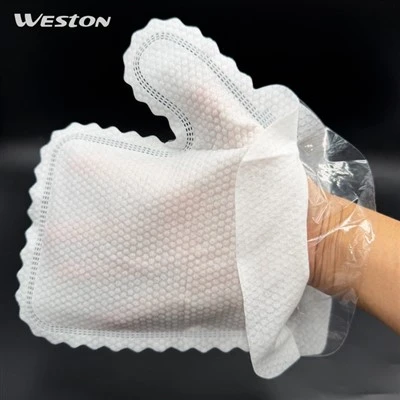
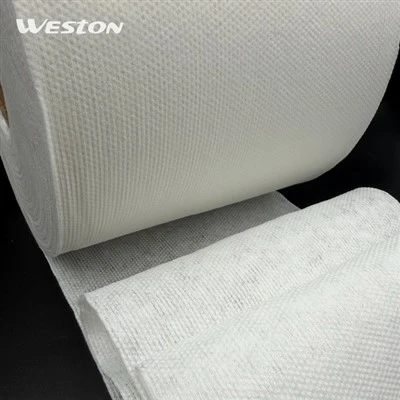
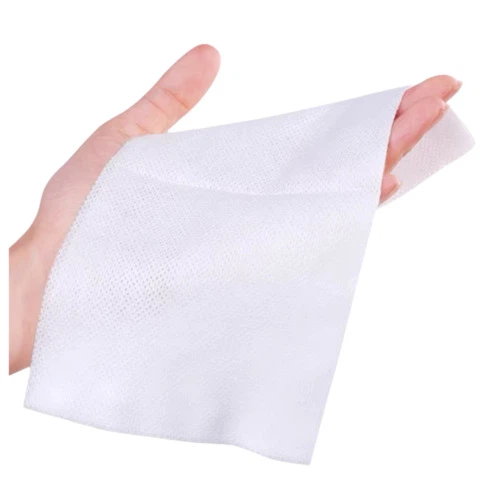
Furthermore, many commercial cotton pads-including Nonwoven Cotton Soft Tissues, Baby Wipes 100% Cotton Vacuum Sealed, and Disposable Cotton Skin Care Wipes-are processed to optimize durability rather than skin compatibility. The presence of residual chemicals or lignin-a natural component in cotton that can be irritating-may cause adverse reactions.
Allergens and Irritants in Cotton Products
While pure cotton itself is generally safe, the processing methods introduce variables:
Residual Chemicals: Bleaching, dyeing, and softening agents can linger in the fibers.
Dyes and Fragrances: Some products are infused with fragrances or dyes which are common irritants.
Contaminants: Poor manufacturing hygiene can introduce bacterial or fungal contaminants.
For individuals with extremely sensitive skin, even minute residues or contaminants are enough to trigger irritation, redness, or breakouts.
The Role of Skin's Barrier and Microbiome
The skin's barrier function is an intricate defense system. When intact, it resists irritants and environmental damage. However, facial skin-especially around the T-zone-can be fragile. Excessive rubbing or the use of abrasive or chemically-treated products can compromise this barrier.
A disrupted barrier facilitates the entry of allergens and irritants, leading to inflammation and irritation. This process is compounded by the skin's microbiome, which acts as a dynamic interface between our body and the environment.
Disruption to the microbiome caused by harsh chemicals or mechanical irritation can exacerbate skin sensitivity and susceptibility to irritation.
Mechanical vs. Chemical Irritation
Mechanical irritation occurs by physical trauma-rubbing, scrubbing, or harsh wiping. Even the softest cotton pads, if used aggressively, can cause microtears, inflammation, and irritation.
Chemical irritation results from residual chemicals or natural substances that the skin perceives as foreign or harmful, leading to an inflammatory response.
Both pathways-mechanical and chemical-can activate the skin's immune responses, causing redness, burning, or even allergic reactions.
Who Is at Risk?
While anyone can experience irritation from cotton pads, some groups are more vulnerable:
Individuals with eczema or psoriasis
Those with sensitive skin or allergies
People prone to contact dermatitis
Post-procedure skin, where the barrier is already compromised
Knowing your skin type and sensitivities is crucial.
Benefits of Cotton Products When Used Properly
Despite potential pitfalls, cotton products have numerous benefits:
Naturally breathable and hypoallergenic (if pure and untreated)
Gentle, suitable for delicate skin when chemical-free
Biodegradable and environmentally friendly
Convenient for on-the-go skincare routines
Proper selection and usage can significantly mitigate risks.

How to Minimize the Risk of Irritation
Choose high-quality, chemical-free cotton pads.
Opt for products labeled as free from bleaching agents, dyes, and fragrances.
Limit mechanical aggression-pat instead of scrub.
Always cleanse or hydrate gentle skin with appropriately formulated products.
Introduce new products gradually to monitor reactions.
The Scientific Perspective on Product Design and Innovation
Innovative companies are prioritizing skin health. For instance, using Nonwoven Cotton Soft Tissues that are ultra-soft and free of chemical residues can dramatically reduce irritation risks. Disposable Cotton Skin Care Wipes designed specifically for sensitive skin ensure minimal contact with potential irritants.
The development of Baby Wipes 100% Cotton Vacuum Sealed showcases advances in manufacturing that preserve natural cotton's benefits while eliminating chemical risks.
The Weston Nonwoven Factory Advantage
If you are concerned about irritation and seeking reliable, skin-friendly options, consider Weston's products. Their Nonwoven Cotton Soft Tissues and Disposable Cotton Skin Care Wipes are crafted to minimize chemical residues, ensuring safer contact with sensitive skin [contact: info@westonmanufacturing.com].
Final Thoughts
In essence, cotton pads can cause irritation, but not inherently or inevitably. The risk depends largely on the quality of the cotton, the manufacturing process, and how they are used. By choosing high-quality, chemical-free, and thoughtfully designed products, you can enjoy the benefits of cotton without the downsides.
Your skin's health should always come first-think of it as your body's frontline defense. Whether it's Nonwoven Cotton Soft Tissues or Baby Wipes 100% Cotton Vacuum Sealed, choosing the right product makes all the difference in your skincare journey.