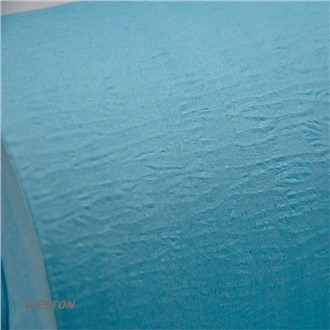
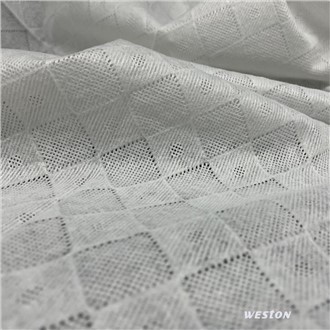
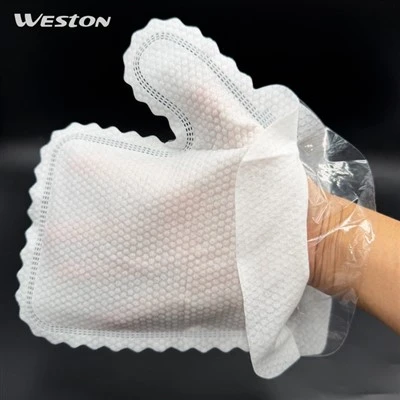
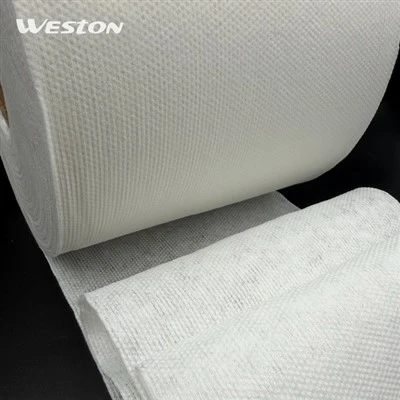
In an era where sustainability is no longer just a trend but a necessity, innovations in materials science are paving the way for greener alternatives in various industries. Among these innovations, wood pulp–lyocell spunlace rolls stand out as a promising solution for nonwoven substrates. This article delves into the science, benefits, and broader implications of this groundbreaking material, shedding light on why it is poised to become the go-to choice for sustainable applications.
Understanding Wood Pulp and Lyocell
What is Wood Pulp?
Wood pulp is derived from the fibrous parts of trees and is primarily used in the production of paper and other cellulose-based materials. The extraction process involves breaking down the wood into its cellulose fibers, which are then processed to create a myriad of products. Wood pulp is abundant, renewable, and biodegradable, making it an excellent candidate for sustainable manufacturing.
What is Lyocell?
Lyocell is a type of regenerated cellulose fiber, produced from wood pulp through a closed-loop process that minimizes environmental impact. The production of lyocell involves dissolving wood pulp in a non-toxic solvent, which is then spun into fibers. This method not only conserves resources but also ensures that nearly all solvents are recycled, significantly reducing waste.
The Advantages of Wood Pulp–Lyocell Spunlace Rolls
1. Environmental Sustainability
One of the most significant advantages of wood pulp–lyocell spunlace rolls is their environmental sustainability. Both components are derived from renewable resources, and the production process is designed to minimize water and energy consumption. Moreover, these materials are biodegradable, ensuring that they break down naturally without contributing to landfill waste.
2. Superior Performance and Versatility
Wood pulp–lyocell spunlace rolls exhibit remarkable performance characteristics. They are strong, absorbent, and soft, making them suitable for a wide range of applications, from personal care products to industrial wipes. The unique blend of wood pulp and lyocell fibers enhances their durability and absorbency, making them ideal for tasks requiring high-performance materials.
Comfort and Safety

For products that come into direct contact with the skin, such as wipes and pads, comfort and safety are paramount. The soft texture of lyocell combined with the natural properties of wood pulp ensures that these spunlace rolls are gentle on the skin. Additionally, they are often designed to be food contact safe, making them suitable for various applications in food handling and preparation.
4. Cost-Effectiveness
While the initial investment in sustainable materials can be higher, the long-term benefits often outweigh the costs. Wood pulp–lyocell spunlace rolls are not only durable but also efficient in terms of production and resource use. Their versatility allows manufacturers to reduce their reliance on multiple materials, ultimately leading to cost savings in the supply chain.
5. A Step Toward Circular Economy
The closed-loop process used to produce lyocell aligns perfectly with the principles of a circular economy. By ensuring that solvents are recycled and waste is minimized, the production of spunlace nonwoven wood pulp lyocell blend rolls exemplifies a shift towards more sustainable manufacturing practices. This approach not only benefits the environment but also fosters innovation in material science.
Potential Challenges
1. Resource Availability
While wood pulp and lyocell are derived from renewable sources, the sustainability of these materials depends heavily on responsible sourcing practices. Overharvesting of trees or unsustainable forestry practices can negate the environmental benefits associated with these materials. It is crucial that manufacturers prioritize sustainability in their supply chains.
2. Market Perception
There may be misconceptions or resistance to adopting new materials, particularly in industries that have relied on traditional nonwoven substrates for years. Educating stakeholders about the benefits and potential of wood pulp–lyocell spunlace rolls is essential for driving widespread adoption.
3. Technological Development
As with any new material, ongoing research and development are necessary to optimize production processes and performance characteristics. Collaborations between manufacturers, researchers, and industry leaders will be vital to advance the technology surrounding these innovative spunlace rolls.
The Future of Nonwoven Substrates
The shift towards sustainable materials is not merely an option but a necessity for industries aiming to reduce their environmental footprint. As consumers become increasingly aware of the impact of their choices, the demand for eco-friendly products continues to rise. Weston Nonwoven is at the forefront of this movement, offering products like Bucket-Packed Embossed Spunlace Wipes and Food Contact Safe Absorbent Pads that align with these values.
By integrating spunlace nonwoven wood pulp lyocell blend rolls into their offerings, manufacturers can meet market demands while contributing to a more sustainable future. The versatility and performance of these materials make them a perfect candidate for a wide range of applications, from healthcare to food service.
Conclusion
The emergence of wood pulp–lyocell spunlace rolls marks a significant advancement in the quest for sustainable nonwoven substrates. By harnessing the benefits of renewable resources and innovative production methods, these materials offer a compelling alternative to traditional options. As industries continue to evolve and prioritize sustainability, the integration of such eco-friendly products will be essential in shaping a greener future.
For those interested in exploring these innovative materials, Weston Nonwoven provides a range of products designed to meet the needs of various applications. For a free sample, feel free to reach out at info@westonmanufacturing.com. Embracing this new generation of nonwoven substrates is not just a step toward sustainability; it's a leap into a future where responsible manufacturing is the norm.