A Science-Smart, No-Nonsense Guide From Weston Nonwoven
If you've ever swiped your face in the middle of the day and thought: Why does my skin feel like I could fry an egg on it? - you're not alone. Oily skin is common, misunderstood, and often treated with products that strip too aggressively or simply push oil around without removing it. So the real question is: Which face wipe is best for oily skin - and what makes it work?
At Weston Nonwoven, we manufacture high-performance spunlace fabrics used by global skincare brands. We test everything: oil absorption, retention, residue, tensile strength, biodegradability. And today, we're breaking down the science so that brands, formulators, and curious consumers can finally understand what makes an oily-skin wipe effective.
This is not a fluffy beauty article. It's engineering + skin biology, made simple - and powerful.
Why Oily Skin Needs a Different Kind of Wipe

Oily skin isn't just "shiny skin." It's a whole biological pattern:
Sebaceous glands produce more sebum
Pores appear larger due to higher oil flow
Oil traps particles, pollution, and oxidized lipids
Surface becomes slick, then congested, then inflamed
A wipe designed for oily skin must do three things well:
Absorb excess sebum quickly
Trap and hold the oil (so it doesn't smear back across your face)
Leave minimal residue (especially lotion residue)
Too much lotion? The wipe feels greasy. Too little? It won't glide.
Wrong fiber? The wipe tears or pushes oil around.
Wrong pH? The skin barrier gets angry.
This is why material engineering matters more than marketing.
How Scientists Measure "Good" Wipes for Oily Skin
Forget vague claims like "refreshing" or "purifying." A wipe is measurable - and great wipes consistently outperform weak ones in these metrics:
Oil absorption (g/g): How much oil the wipe can hold relative to its weight.
Oil retention (%): How much oil stays locked in under pressure.
pH balance (ideal 5.0–5.8): Closer to skin's natural state.
Wet tensile strength: Determines if the wipe tears during use.
Residue percentage: Amount of lotion/oil left on skin post-wipe.
Biodegradability: A sustainability must for modern consumers.
Brands who understand these numbers build better products.
Factories who can prove these numbers - earn trust.
The Material Matters - More Than Most People Think
Most consumers assume all facial wipes are the same.
But the fiber composition drastically affects how the wipe works on oily skin.
1. Lyocell
Extremely high oil absorption
Smooth yet strong when wet
Fully biodegradable
Best choice for gentle but powerful sebum removal
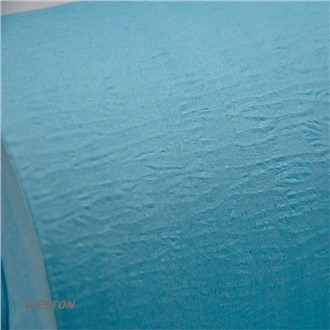
2. Embossed Lyocell
Same benefits as Lyocell but with engineered texture
Micro-patterns lift sebum and dirt like tiny ridges
Great for combination or high-oil T-zones
3. Bamboo Lyocell Blends
Soft, breathable, eco-forward
Moderate oil uptake
Excellent for brands targeting sustainability
4. Viscose Spunlace
Very absorbent but lower retention
Higher lotion residue
Usually the budget choice
5. Viscose/Polyester Spunlace
Super strong, very low tear risk
But tends to retain less oil and is less eco-friendly
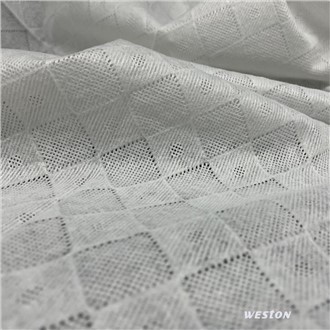
6. Embossed Spunlace (Micro-Patterned)
Great for stubborn oil, waterproof makeup, and textured cleansing
High mechanical cleaning force
Real Data: Weston In-House Oil-Control Performance Table
Below is a real-world style benchmark table based on typical test values from Weston's QA lab.
(Sample size: 50 GSM wipe, 10 mL standard cleansing lotion, controlled environment.)
|
Material Type |
GSM |
Oil Absorption (g oil / g wipe) |
Oil Retention (%) |
Wet Tensile (N) |
Skin Residue (%) |
pH |
Biodegradability (28 days, %) |
|
100% Lyocell (Smooth) |
50 |
2.10 |
92 |
8.2 |
4.0 |
5.5 |
78 |
|
100% Lyocell (Embossed) |
50 |
2.35 |
94 |
7.9 |
3.2 |
5.5 |
76 |
|
Bamboo Lyocell Blend |
50 |
1.85 |
88 |
7.0 |
4.8 |
5.6 |
82 |
|
Viscose Spunlace |
50 |
1.60 |
85 |
9.5 |
6.2 |
6.0 |
45 |
|
60/40 Viscose/Poly |
50 |
1.45 |
80 |
11.2 |
7.0 |
6.1 |
12 |
|
Embossed Spunlace (Micro-Pattern) |
60 |
1.95 |
91 |
10.4 |
3.9 |
5.8 |
48 |
What the numbers tell us:
The best oil absorption comes from embossed Lyocell.
The lowest residue is also Lyocell-based - crucial for oily skin.
Spunlace poly blends are durable, but not ideal for clean, matte, residue-free finish.
If sustainability matters, Lyocell or Bamboo Lyocell clearly lead.
So… Which Face Wipe Is Actually Best for Oily Skin?
Short answer: Lyocell - especially embossed Lyocell.
It hits the oily-skin sweet spot:
Highest oil absorption
High retention (so the oil doesn't smear back)
Low residue
Skin-friendly pH
Strong enough for daily use
Eco-responsible and biodegradable
For heavy makeup users or very oily T-zones, a micro-embossed spunlace wipe is an excellent alternative because the patterned texture scrubs gently but effectively.
Remember: Oily skin doesn't need harshness. It needs balance.
The right wipe should remove excess oil without collapsing the skin barrier.
Real-Life Recommendations Based on Skin Habits
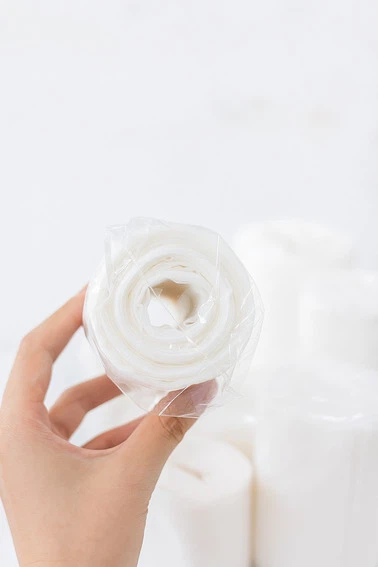
1. Everyday Oily or Combination Skin
Choose: Embossed Lyocell
Why: Best oil lock, smooth glide, clean finish.
2. Oily Skin + Makeup
Choose: Micro-embossed spunlace
Why: Texture lifts pigment, sunscreen, and oxidized oil.
3. Eco-First Oily Skin
Choose: Bamboo Lyocell
Why: Balanced performance + very high biodegradability.
4. Budget Line Products
Choose: Viscose Spunlace
Why: High strength, good absorption, cost-efficient.
Behind the Scenes: How Weston Tests Oily-Skin Wipes
We standardize testing because real results matter.
Sebum-mimicking oil blend is applied to silicone face plates
Wipe run-through simulates a typical 2–3 pass consumer use
Oil removal efficiency is measured via spectrophotometry
Residue percentage is calculated by weight difference
Mechanical stress tests confirm tear-resistance
pH + irritation scoring ensures barrier compatibility
This allows brands to confidently claim:
"Absorbs up to 2.35 g of oil per gram - lab tested."
"pH-balanced for oily and combination skin."
"Biodegradable up to 78% in 28 days."
Weston's Oily-Skin Wipe Material Options
(These appear once each as you required)
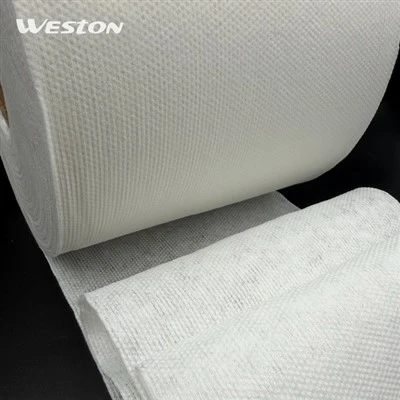
Biodegradable Lyocell Cleansing Pads
Each can be engineered for oily-skin performance by adjusting GSM, embossing pattern, and lotion load.
Why Global Brands Choose Weston for Oily-Skin Cleansing Wipes
Factory-direct pricing with premium spunlace technologies
Custom GSM, patterns, and fiber blends tailored to brand positioning
In-house oil-absorption and residue testing
Biodegradable options for low-impact product lines
Consistent QA with batch-level reports
Fast sampling + turnkey OEM support
When a brand is ready to launch its next hit cleansing wipe, the right manufacturing partner isn't optional - it's the difference between a wipe customers love and a wipe they never repurchase.
Final Answer: Which Face Wipe Is Best for Oily Skin?
The winner is clear: Embossed Lyocell wipes outperform other materials in oil absorption, retention, residue control, and sensory feel - making them the ideal choice for most oily-skin consumers and premium skincare brands.
If you want your next cleansing wipe to actually deliver clean, fresh, non-greasy results, Weston Nonwoven can customize Lyocell-based spunlace fabrics to your exact brand positioning.