How Does the Type of Fabric Influence the Choice of Cleaning Method?
Cleaning is often treated as a simple task. Use water, add detergent, wipe or wash. Yet the result depends heavily on one factor: the fabric itself. Different materials react differently to moisture, friction, heat, and chemicals. A method that works well for cotton may damage silk. A cloth that cleans glass effectively may scratch delicate surfaces.
Understanding fabric behavior helps people choose the right cleaning method. It also reduces damage, improves hygiene, and extends the life of both fabrics and surfaces.
Fabric Composition Determines How It Should Be Cleaned
Every textile starts with fibers. These fibers determine how the material interacts with water, oil, and detergents.
Natural fibers such as cotton or viscose absorb water easily. This makes them suitable for wet cleaning and washing. Synthetic fibers like polyester resist water but attract oils. Protein fibers such as wool and silk react strongly to heat and alkaline detergents.
Because of this, cleaning methods should follow the nature of the fiber rather than the stain alone.
Key factors influenced by fiber type include:
Water absorption
Chemical resistance
Heat tolerance
Mechanical strength during washing
If these factors are ignored, fabrics may shrink, fade, or weaken over time.
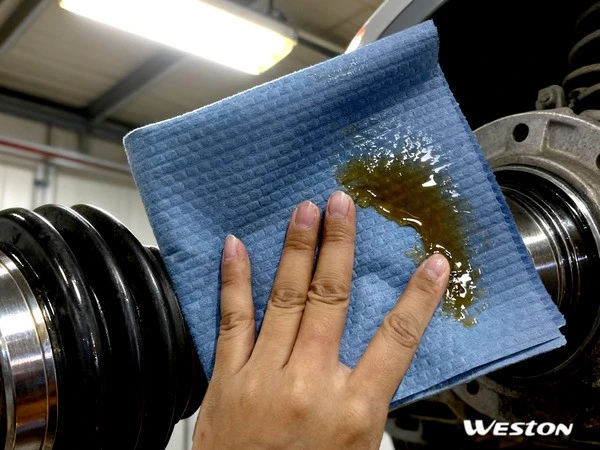
Fabric Structure Also Influences Cleaning Results
Fiber type is only part of the story. The way fibers are arranged also changes how dirt is trapped and removed.
There are three common structures used in textiles:
Woven fabrics – fibers interlace in a tight pattern
Knitted fabrics – loops create flexibility and stretch
Nonwoven fabrics – fibers are bonded rather than woven
Each structure behaves differently when exposed to water or mechanical action.
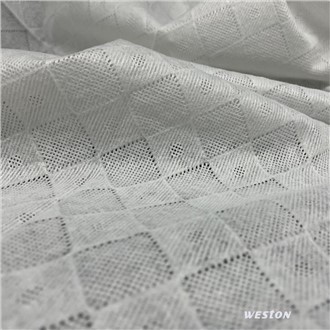
Woven fabrics are strong but may hold fine dust deep inside the structure. Knitted fabrics stretch easily and can lose shape during strong washing cycles. Nonwoven fabrics are often engineered for specific tasks such as filtration or wiping.
These structural differences explain why certain fabrics are better suited for disposable cleaning cloths while others are designed for long-term use.
Comparison of Fabric Types and Cleaning Behavior
The table below summarizes how common fabrics behave during cleaning.
|
Fabric Type |
Key Properties |
Advantages During Cleaning |
Potential Limitations |
Recommended Cleaning Method |
|
Cotton / Viscose |
High absorbency, breathable |
Good for water-based cleaning, holds detergent well |
May shrink in hot water |
Warm washing, mild detergent |
|
Polyester / Nylon |
Low absorbency, strong fibers |
Durable and resistant to repeated washing |
Oil stains may cling to fibers |
Degreasing detergent, warm wash |
|
Wool / Silk |
Protein fibers, soft texture |
Gentle surface suitable for delicate clothing |
Sensitive to heat and strong chemicals |
Cold water, gentle detergent |
|
Microfiber |
Extremely fine synthetic fibers |
Strong dust and grease capture ability |
Can trap residues if not rinsed well |
Warm wash, avoid fabric softeners |
|
Nonwoven fabrics |
Random fiber network |
Efficient wiping, controlled absorbency |
Some products designed for limited reuse |
Wet or dry wiping |
This comparison shows that no single cleaning method works for every textile.
Advantages and Limitations of Different Fabric Categories
A balanced view helps when selecting both fabrics and cleaning methods.
Natural Plant Fibers
Examples include cotton, bamboo fiber, and viscose.
Advantages
Strong water absorption
Breathable and comfortable
Compatible with most household detergents
Limitations
May shrink under high heat
Fibers can weaken after repeated washing
Lint may appear in low-quality fabrics
Because of these traits, plant fibers are common in towels, wipes, and skincare materials.
Synthetic Fibers
Polyester and nylon dominate modern textiles.
Advantages
Durable under repeated washing
Resistant to stretching and tearing
Quick drying
Limitations
Oil stains attach easily
Static electricity may attract dust
Lower natural absorbency
Cleaning methods for synthetic fabrics often focus on removing oils rather than water-based stains.
Animal Fibers
Wool and silk are natural protein fibers.
Advantages
Soft texture
Good insulation
Comfortable on skin
Limitations
Sensitive to high temperatures
Shrink easily during agitation
Require gentle detergents
These fabrics often need controlled washing conditions.
Technical and Engineered Fabrics
In many cleaning environments, specialized materials are used instead of traditional textiles.
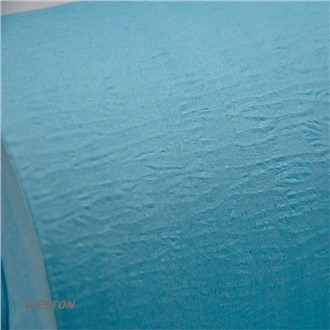
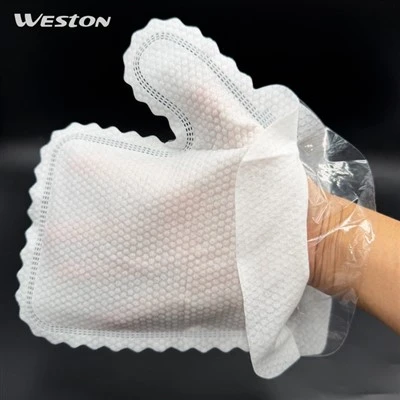
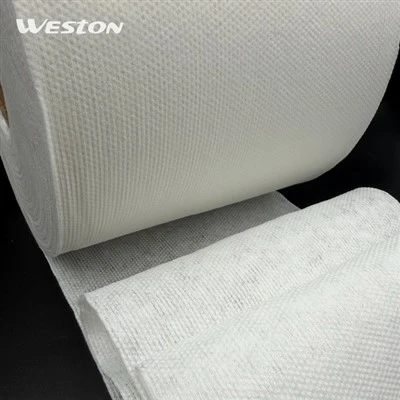
These materials include microfiber nonwovens and spunlace nonwoven fabrics. They are engineered to improve wiping performance, absorb liquids efficiently, and reduce lint contamination.
Advantages often include controlled absorbency and consistent surface quality. However, some engineered wipes are designed for limited reuse or single-use applications.
The Role of Cleaning Cloths in Surface Hygiene
The fabric used for wiping surfaces plays a major role in cleaning efficiency.
Important characteristics include:
Fiber shedding behavior
Liquid absorption capacity
Surface softness
Resistance to cleaning chemicals
Low-quality cloths may leave fibers on glass, stainless steel, or electronic surfaces. This is why many cleaning systems rely on engineered wiping materials.
Manufacturers such as Weston Nonwoven produce spunlace materials used in hygiene products and industrial wiping applications. Some product lines include specialized microfiber nonwovens designed for efficient dust and liquid pickup.
Fabric Choice Matters in Food and Hygiene Environments
Certain environments require stricter standards. Food processing and kitchen sanitation are good examples.
Cleaning materials used in these areas must:
avoid fiber contamination
maintain structural strength when wet
meet food-contact safety standards
This is why many businesses work with a certified Food Safe Wipe Supplier that can provide compliant nonwoven wiping materials. Such wipes are commonly used in commercial kitchens, food packaging facilities, and hygiene-sensitive cleaning tasks.
Selecting the correct wiping material helps reduce cross-contamination risks and improves cleaning consistency.

Practical Guidelines for Matching Fabric and Cleaning Method
A simple evaluation process can prevent many cleaning problems.
1. Identify the fiber type
Natural fibers absorb water easily. Synthetic fibers may require stronger detergents for oil removal.
2. Check the fabric structure
Loose structures release dirt quickly. Dense fabrics may require longer washing or stronger mechanical action.
3. Consider the type of contamination
Dust, oil, food residue, and biological material all behave differently during cleaning.
4. Choose the appropriate wiping material
For surface cleaning tasks, specialized wipes may perform better than traditional cloths.
Fabric Knowledge Improves Everyday Cleaning
Cleaning is not only about detergents or equipment. It is closely related to textile science. Fiber composition, fabric structure, and surface design all influence how dirt is removed.
Understanding these relationships allows people to choose safer and more effective cleaning methods. It also explains why modern cleaning industries increasingly rely on engineered materials such as spunlace nonwovens and specialized wiping fabrics produced by manufacturers like Weston Nonwoven.
A small amount of material knowledge can make cleaning more efficient, more hygienic, and less damaging to fabrics and surfaces.