The Harsh Reality Behind "Flushable" Marketing Claims
Plumbers universally condemn so-called flushable wipes despite manufacturer claims. The consensus within the plumbing profession is clear: these products cause catastrophic damage to household plumbing and municipal sewer systems. The term "flushable" is considered a dangerous misnomer that misleads consumers into believing these products are safe for disposal through toilet systems.
The fundamental issue lies in the material composition. Unlike toilet paper, which disintegrates within seconds of contacting water, most wipes maintain their structural integrity due to synthetic fibers that resist breaking down. Howard Carter, president of the board of trustees at the Water Environment Federation, confirms that wastewater treatment operators routinely face emergency calls-even at 2 a.m.-to clear pumps blocked by these wipes. The reality is that North American utilities spend approximately $441 million annually addressing wipe-related problems in sewage systems.
The Science of Why Wipes Fail Plumbing Systems
The material science behind why these wipes cause such extensive damage reveals why plumbers remain vehemently opposed to them. Traditional toilet paper is designed with short cellulose fibers that quickly lose cohesion when saturated with water. Conversely, many wipes incorporate strengthened fabrics that maintain durability when wet-precisely the property that makes them so destructive in plumbing systems.
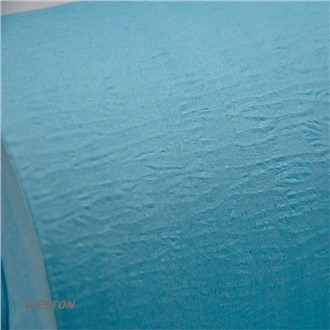
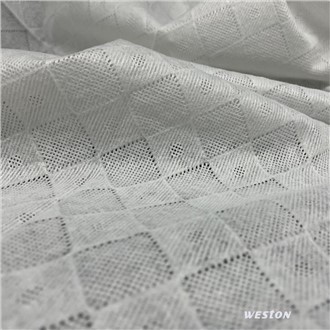
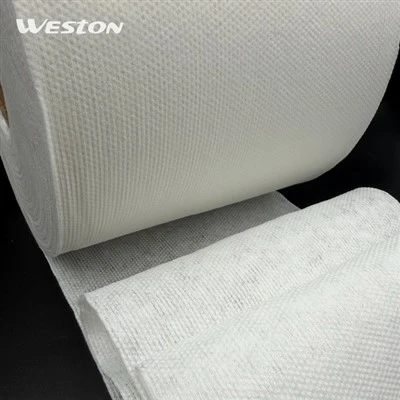
Woodpulp PLA Spunlace technology represents a potential breakthrough in addressing this issue. This innovative material combines natural wood pulp fibers with biodegradable polylactic acid, creating a fabric that maintains strength during use but breaks down more rapidly in water systems. The technology leverages hydroentangling processes to mechanically interlock fibers without chemical binders, resulting in a material that can potentially meet genuine flushability standards.
Independent testing demonstrates the dramatic difference between products. When subjected to the slosh box test (which simulates movement through sewage systems), toilet paper completely breaks down within 30 minutes, while most "flushable" wipes remain virtually intact even after 3 hours. This fundamental discrepancy explains why plumbers consistently find these wipes clogging pipes, snagging on tree roots, and accumulating in "bellies" or low sections of plumbing systems.
Environmental Consequences Beyond Your Pipes

The environmental impact of flushable wipes extends far beyond individual plumbing disasters. When these wipes enter municipal sewer systems, they contribute to massive "fatbergs"-congealed masses of wipes, grease, and other waste that can reach staggering proportions. The infamous Whitechapel fatberg discovered in London in 2017 weighed 286,601 pounds and measured 820 feet in length, with wet wipes identified as a major culprit.
The microplastic pollution from synthetic wipes presents another critical environmental concern. As these materials break down, they release microfibers that contaminate water supplies and aquatic environments. Research shows that 99.7% of ocean samples contained microfibers from products like wet wipes. These microplastics have been found throughout the Arctic and in over 75% of emperor penguins near Antarctica, demonstrating the global scale of contamination.
The wastewater treatment process cannot effectively filter out these microplastics and chemical contaminants. Carter acknowledges, "We just don't have the technology to treat those things right now." This means these pollutants eventually reach natural water systems, where they enter the food chain and potentially impact human health through contaminated seafood and water supplies.
The Septic System Crisis
For households with septic systems, flushable wipes present an even more immediate threat. These systems are particularly vulnerable to wipe-related damage because they rely on natural bacterial processes that can be disrupted by non-biodegradable materials. When wipes enter septic tanks, they accumulate and migrate into leaching fields, eventually causing system failures that require extremely expensive repairs.
The financial impact on homeowners can be devastating. According to wastewater experts, repairing or replacing a failed septic system due to wipe accumulation can cost between 15,000and15,000 and 15,000and20,000-a catastrophic expense for most families. This reality has led plumbing professionals to universally recommend against flushing any wipes, regardless of marketing claims, for homes with septic systems.
The problem extends beyond individual households to community cluster systems that serve multiple homes. When these systems fail due to wipe accumulation, the cleanup and repair costs are shared among all connected households, creating financial burdens for entire neighborhoods because of product misuse.
What Truly Flushable Technology Would Require
Genuinely flushable products must meet rigorous scientific standards that current offerings largely fail to achieve. True flushability requires that a product disintegrates rapidly enough to pass through all plumbing components without accumulating, while also being biodegradable enough to not burden wastewater treatment facilities.
Plant-Based Flushable Spunlace Fabric represents the direction of innovation needed to address plumbers' concerns. This material utilizes 100% plant-based fibers such as wood pulp viscose that decompose naturally without leaving microplastics behind. The fabric structure is engineered to accelerate microbial degradation in both soil and water environments, addressing both plumbing and environmental concerns.
The EDANA/INDA Guidelines (GD4) and ISO 12625 standards provide testing protocols for flushability, but these standards don't always replicate real-world conditions in aging sewer systems with varying pipe materials, diameters, and flow rates. Products that pass laboratory tests may still cause problems in actual infrastructure, which is why plumbers remain skeptical of certifications alone.
The Economic Impact on Homeowners and Municipalities
The financial consequences of flushable wipe usage represent a hidden cost that consumers rarely anticipate. Plumbers report that wipe-related clogs are among their most common service calls, with repairs often costing hundreds or even thousands of dollars depending on the severity of the blockage and accessibility of pipes.
Master plumber Dave Yates, owner of Yates PHCP-PVF and HVAC Consulting, explains that wipe-related problems often reveal pre-existing issues: "It is not uncommon for wipes to bring to light compound problems. Tree roots will snag flushable products as will broken/separated/cracked piping, and bellies lying partially or completely full will offer a safe haven for things, like wipes, to gather together and pile up."
The municipal costs are equally staggering. Beyond the $441 million in annual operating costs to deal with wipes in sewage systems, cities face enormous capital expenses upgrading equipment to handle these materials. Treatment plants must invest in new pumps specifically designed to cut up wipes, along with monitoring systems to track water levels in pipes and manholes due to blockages.
These municipal costs eventually trickle down to taxpayers through increased water and sewer rates. The financial burden hits low-income households particularly hard, as they struggle with rate increases implemented to cover the escalating costs of dealing with wipe-related problems.
The Psychological Factors Behind Continued Use
Despite widespread warnings from plumbing professionals, consumers continue flushing wipes due to powerful psychological factors. The convenience factor overwhelms abstract warnings about potential plumbing issues, especially when manufacturers reassure customers with "flushable" labeling.
Yates notes that social embarrassment plays a significant role: "One client told me you can't toss wipes in the waste basket because guests might see them." This concern over discretion leads many consumers to flush wipes despite knowing the potential risks, prioritizing immediate social comfort over long-term plumbing consequences.
The packaging and marketing of these products further compound the problem. Manufacturers often emphasize flushability as a key selling point while burying contradictory disposal instructions in fine print. This mixed messaging creates confusion that benefits manufacturers while passing costs to consumers and municipalities.
A Path Forward: Innovation and Responsibility
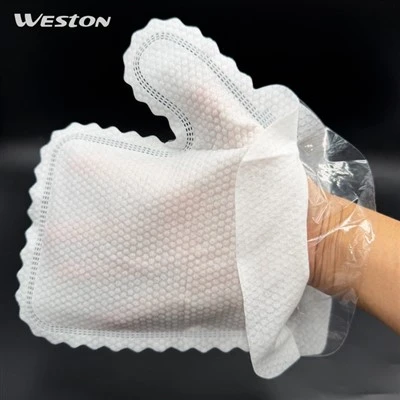
The solution to the flushable wipes crisis requires innovation from manufacturers and responsibility from consumers. Truly flushable products must be developed using materials that balance durability during use with rapid disintegration after flushing. Paper Alternative Flushable Wipes utilizing technologies like Woodpulp PLA Spunlace represent a step in the right direction, offering the cleaning power consumers want without the destructive impact plumbers despise.
Weston Nonwoven's approach to this challenge focuses on plant-based materials that meet rigorous flushability standards. Their Plant-Based Flushable Spunlace Fabric is engineered to disperse quickly in water systems while maintaining the strength and softness consumers expect from hygiene products. For families with infants, specifically designed Flushable Wipes For Babies provide gentle cleaning without compromising plumbing integrity.
Consumer education remains critical to solving this problem. Plumbers recommend installing bidet seats as a more sustainable alternative to wipes, providing superior cleaning without any disposal issues. For those who prefer wipes, proper disposal in trash receptacles-regardless of "flushable" claims-prevents most plumbing problems.
Municipalities and environmental organizations have launched public awareness campaigns about the dangers of flushing wipes, with some communities considering regulations on labeling to prevent misleading claims. These efforts aim to balance consumer choice with environmental protection, ensuring that convenience doesn't come at the expense of infrastructure integrity.

Request Free Samples for Professional Evaluation
For professional buyers seeking to evaluate truly flushable options, Weston Nonwoven offers free samples of their Paper Alternative Flushable Wipes for testing and verification. Their products undergo independent testing for compatibility with sewer and septic systems, with demonstrated dissolution efficiency that reduces household waste and environmental impact.
You can request samples and technical specifications by contacting info@westonmanufacturing.com. Their engineering team provides comprehensive data on dispersion rates, biodegradability timelines, and compatibility with various plumbing configurations, enabling informed decisions based on scientific verification rather than marketing claims.
The path toward truly flushable products requires collaboration between manufacturers, plumbing professionals, and municipal water authorities. By working together to establish realistic standards and develop genuinely safe products, we can meet consumer demand for convenience without destroying plumbing infrastructure and aquatic ecosystems.
The question isn't whether we can create flushable wipes-but whether we're willing to invest in the innovation necessary to make them truly safe for our pipes and our planet. The plumbing profession has spoken clearly: current products fail this test. The future lies in developing solutions that respect both consumer needs and infrastructure realities.